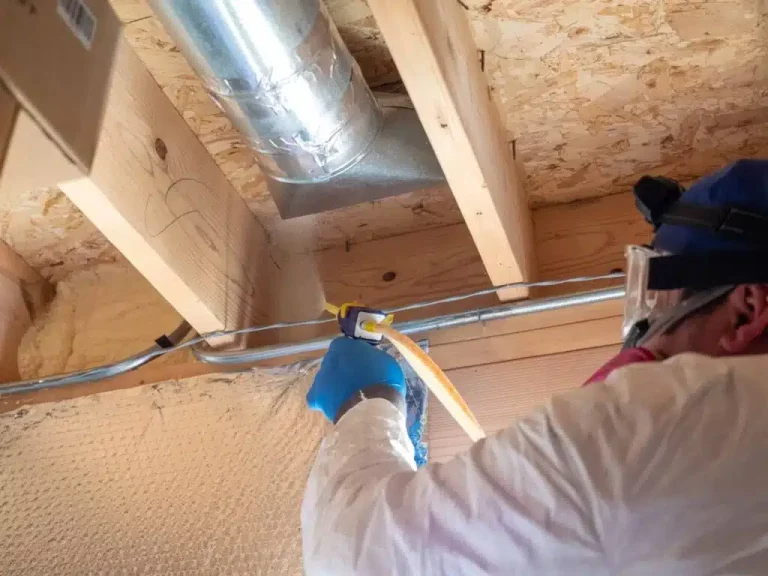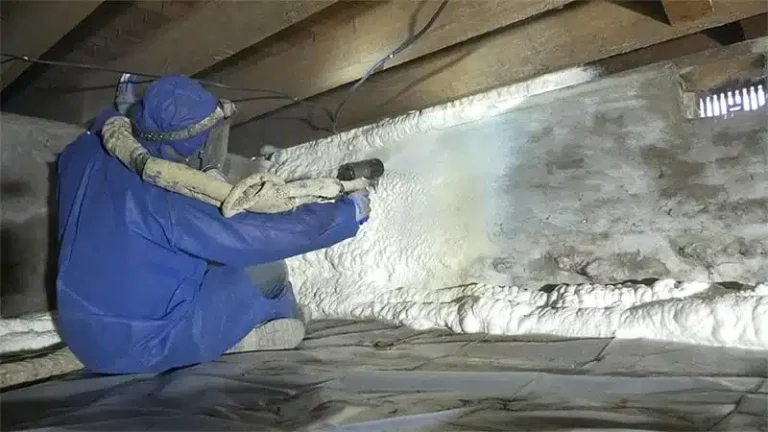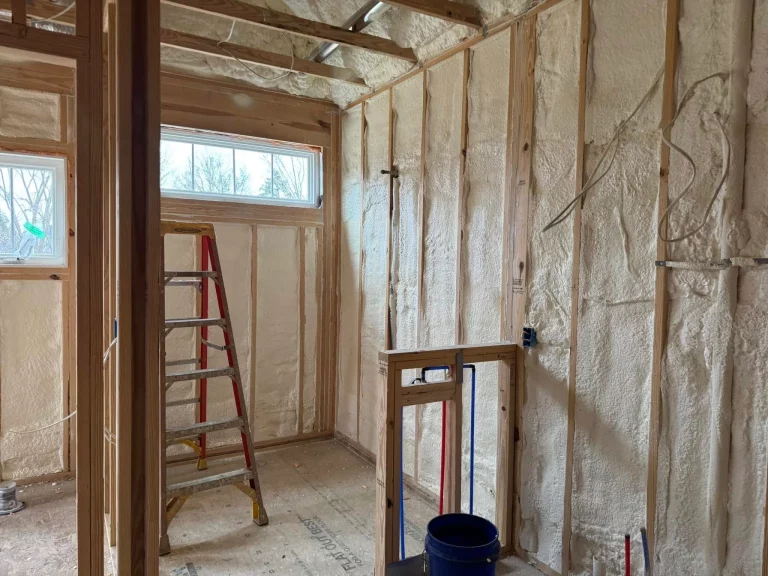

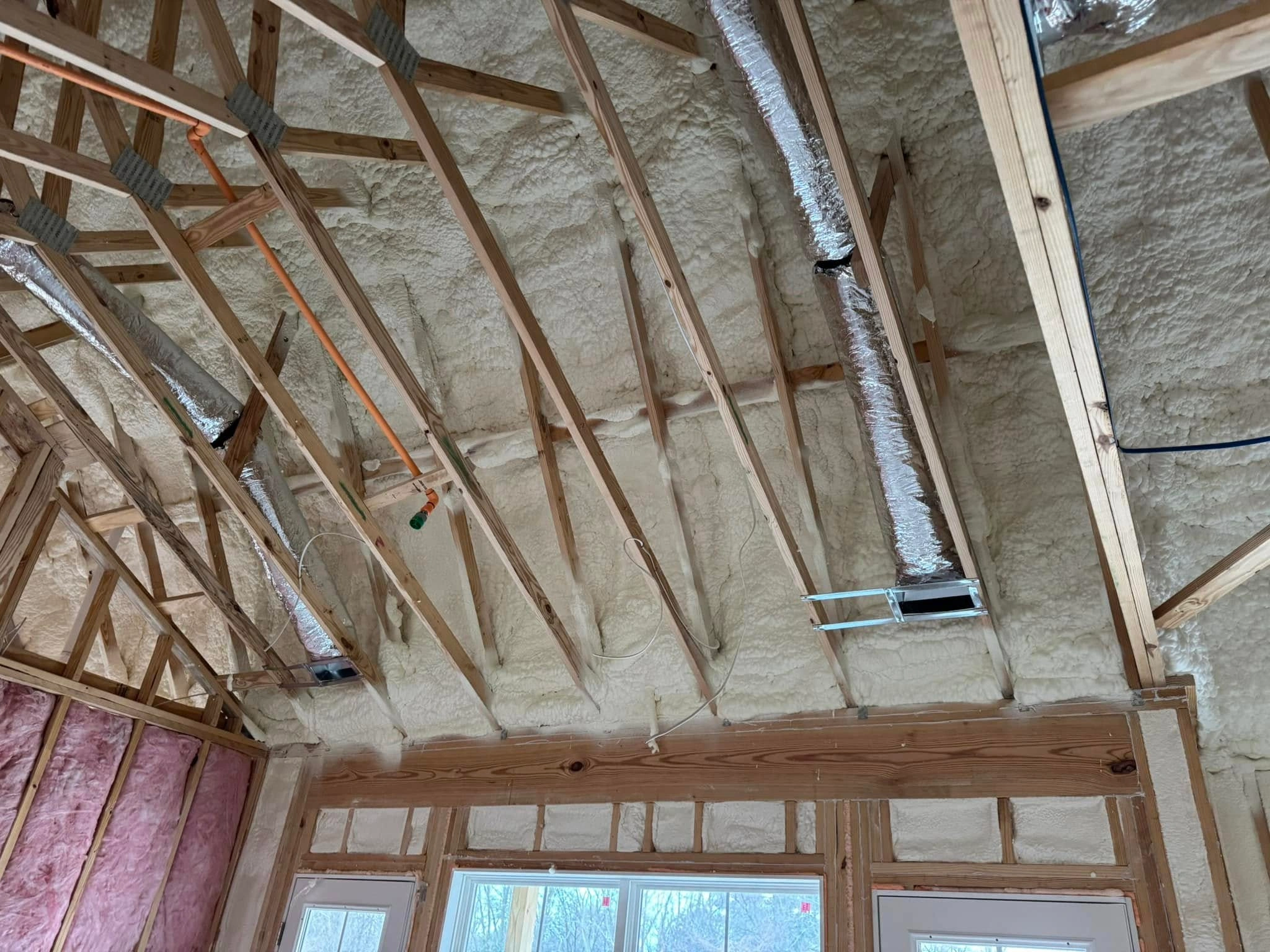
Spray foam repair in older homes in Woodlake, CA is not a simple insulation upgrade. Older homes in the San Joaquin Valley, many built decades before modern building codes, carry unique risks when spray polyurethane foam (SPF) is applied, repaired, or removed. Understanding how spray foam interacts with aged building materials, semi-arid climate conditions, and existing moisture patterns is the difference between a lasting improvement and a costly problem hidden behind your walls.
TL;DR
- Older homes in Woodlake’s semi-arid climate were designed to breathe, and sealing them with spray foam without a moisture management plan can trap humidity against framing, leading to rot.
- The EPA has identified serious health concerns linked to isocyanates in SPF, including asthma, sensitization, and lung irritation during and after installation.
- Homeowners must vacate the premises during spray foam application and for at least 24 hours after, per CPSC safety guidance.
- There are no standardized removal or remediation processes for misapplied SPF, making proper initial installation critical.
- Open cell foam (softer, lower R-value) and closed cell foam (denser, higher R-value) behave differently, and the wrong choice for your home’s conditions can worsen moisture problems.
- Spray foam permanently bonds to surfaces, making future repairs to plumbing, electrical, or structural framing far more difficult and expensive.
- An investigative report by VTDigger documented cases where poor spray foam application led to extensive hidden rot and structural failure years later.
- Woodlake, situated in the San Joaquin Valley near the Sierra Nevada foothills, experiences hot, dry summers and cool, damp winters that create specific moisture dynamics older homes were never designed to handle when sealed airtight.
Why Older Homes in Woodlake Need Special Attention
Woodlake, California is a small city in Tulare County with a semi-arid climate, founded in 1912 and incorporated in 1941. Many of its older homes were built with construction methods that relied on natural airflow through wall cavities, attics, and crawlspaces. These homes were not designed with modern vapor barriers, mechanical ventilation, or the airtight building envelopes that spray foam creates.
When spray foam is applied to an older home without accounting for how that home manages moisture, several problems can develop:
- Trapped moisture: Humidity from daily living (cooking, bathing, breathing) can condense on cold exterior framing inside wall cavities. Without airflow to dry it out, that moisture accumulates and rots wood from the inside out.
- Hidden deterioration: Because spray foam bonds directly to framing and sheathing, it conceals water damage, rot, and mold until the structural failure is advanced enough to show through exterior or interior finishes.
- Compromised diagnostics: A leak that would normally show as a water stain on drywall or ceiling is masked by the foam. By the time a homeowner notices peeling paint or soft spots, the underlying damage is often severe.
Spray Foam Types and How They Perform in Older Structures
Not all spray foam is the same, and the type used during a repair or retrofit matters significantly for older homes.
| Foam Type | Density | Air Sealing | Vapor Permeability | Best Application in Older Homes | Risk in Older Homes |
|---|---|---|---|---|---|
| Open Cell | Low, spongy | Good | Vapor permeable (allows some drying) | Interior partition walls, sound dampening | Can absorb and retain water like a sponge if a leak occurs |
| Closed Cell | High, rigid | Excellent | Acts as vapor barrier | Rim joists, crawlspaces, basements | Can trap moisture on the warm side of walls; hides leaks completely |
| Retro Foam / Slow Rise | Varies | Moderate | Depends on formulation | Existing wall cavities via small holes | Hard to verify complete fill; voids create condensation points |
Open cell foam allows some vapor diffusion, which means walls can dry in one direction. Closed cell foam acts as both an air barrier and a vapor barrier, which can be beneficial in basements and crawlspaces but risky in above-grade wall assemblies of older homes where moisture needs a path to escape. Spray foam repair solutions can help address affected areas and restore insulation performance.
Health and Safety: What Homeowners Must Know
Spray polyurethane foam involves onsite chemical reactions. The two-component mixture contains isocyanates on one side and a blend of polyols, catalysts, flame retardants, and blowing agents on the other. The EPA warns that isocyanate exposure can cause skin and eye irritation, asthma, sensitization, and potentially permanent lung damage. Sensitized individuals may experience severe reactions even from very low subsequent exposures.
For homeowners considering spray foam repair or installation, the CPSC and collaborating agencies recommend the following precautions:
- Vacate the home during application and for at least 24 hours afterward
- Discuss re-occupancy timelines with the contractor before work begins
- Ask about the specific product being used and obtain product literature
- Individuals with asthma, respiratory conditions, or prior isocyanate sensitization should consider alternative insulation
- If odors or symptoms persist after re-entry, contact the contractor immediately and consider hiring an independent indoor air quality consultant
The EPA also notes that re-entry time depends on product formulation, temperature, humidity, and building conditions. Some manufacturers recommend 24 hours, but curing rates vary, and vulnerable populations such as children and the elderly require additional caution.
Moisture Management: The Non-Negotiable First Step
Building science experts consistently emphasize that energy efficiency and moisture control must be addressed together. Applying spray foam damage repair to an older home without first identifying and resolving existing moisture issues is a recipe for hidden damage.
Before any spray foam repair or installation, homeowners should:
- Inspect for existing water intrusion: Check roofs, flashing, gutters, plumbing, and foundations for active leaks
- Assess ventilation: Determine whether the home has adequate mechanical ventilation to handle a tighter building envelope
- Evaluate humidity levels: Use a moisture meter to check framing and sheathing in areas where foam will be applied
- Plan for ongoing monitoring: Install humidity sensors in attics and crawlspaces after the work is complete
- Consider mechanical ventilation: An energy recovery ventilator (ERV) or heat recovery ventilator (HRV) may be necessary to maintain indoor air quality once the home is tightened
Common Problems With Spray Foam in Older Homes
Based on documented building science research and journalistic investigations, the following problems occur frequently when spray foam is applied to older structures:
Improper curing: If the chemical mixture ratio, substrate temperature, or ambient conditions are wrong during application, the foam may not cure completely. This can lead to ongoing off-gassing of amines and other chemicals, producing persistent odors and potential health effects.
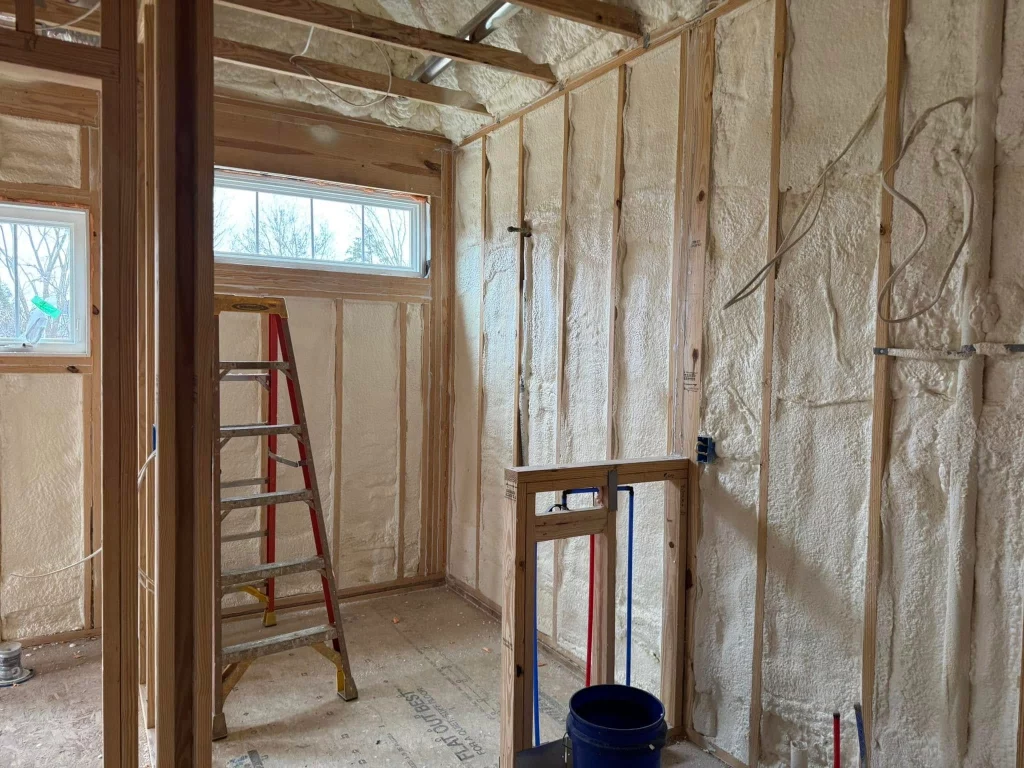
Voids and gaps: Incomplete coverage leaves air pathways that compromise the insulation’s effectiveness. More importantly, these voids can allow warm, humid interior air to reach cold exterior surfaces, where condensation forms and is then trapped against the framing.
Delamination: Over time, spray foam can pull away from the surfaces it was applied to, especially if the substrate was dirty, oily, or too cold during application. This creates gaps that undermine both the thermal and air-sealing performance.
Long-term hidden rot: As reported in a VTDigger investigation, structural damage from trapped moisture often becomes visible around eight years after application. By that point, the damage may require major reconstruction of roof assemblies, wall framing, and exterior finishes.
Recommendations by Home Type and Situation
| Situation | Recommended Approach | Key Considerations |
|---|---|---|
| Pre-1950s home with balloon framing | Targeted air sealing and dense-pack cellulose in walls; SPF only in basement/crawlspace | Balloon framing creates complex air pathways that are difficult to seal completely with foam |
| 1960s-1980s home with settled fiberglass batts | Closed cell SPF in rim joists; open cell in walls only after moisture assessment | Existing batts may have concealed moisture issues that need addressing first |
| Crawlspace or basement encapsulation | Closed cell SPF on foundation walls | Best-documented use case for SPF in older homes; pair with ground moisture barrier |
| Attic with active ventilation (soffit/ridge vents) | Avoid SPF on roof deck unless converting to unvented attic with proper HVAC planning | Sealing a vented attic without mechanical ventilation redesign causes moisture buildup |
| Home with known moisture issues | Fix all water intrusion first, then reconsider whether SPF is the right choice | SPF is insulation, not a waterproofing solution |
Signs You Have Found the Right Spray Foam Contractor
Choosing the right professional for spray foam work in an older Woodlake home can prevent years of hidden problems. Look for these indicators:
- The contractor performs a thorough moisture assessment before recommending any foam application
- They explain the differences between open cell and closed cell foam and recommend based on your specific home, not a one-size-fits-all approach
- They discuss re-occupancy protocols, ventilation requirements, and product safety information before asking for a commitment
- They carry appropriate insurance, verifiable training, and references from projects on similar older homes
- They are willing to walk you through what will happen if something goes wrong and how repairs would be handled
- They do not pressure you into a same-week installation, recognizing that proper planning takes time
A contractor who glosses over moisture concerns, promises dramatic energy savings without qualification, or cannot explain the curing process and safety protocols is a red flag.
Get Expert Spray Foam Repair Guidance for Your Woodlake Home
Supreme Spray Foam Fresno provides spray foam repair and installation services for homeowners throughout the Woodlake area and the broader San Joaquin Valley. Our team evaluates each older home individually, assessing moisture conditions, ventilation, and building structure before recommending the right approach. We believe in transparent communication, proper safety protocols, and work that protects both your home and your family’s health.
Contact us at (559) 545-0800 or email [email protected] to discuss your project.
Frequently Asked Questions
Can spray foam be safely installed in my older Woodlake home?
Yes, when applied correctly after a thorough moisture assessment and with proper safety protocols. The key is working with experienced professionals who understand older building methods.
How long do I need to stay out of my home after spray foam repair?
The CPSC recommends vacating for at least 24 hours, though re-occupancy time depends on the product used, building conditions, and whether children or elderly occupants are present.
What happens if spray foam was installed incorrectly in my home years ago?
There are no standardized removal processes for misapplied SPF. Disturbed foam can release hazardous dust and chemicals. A qualified building science professional should assess the situation before any remediation is attempted.
Is closed cell or open cell foam better for older homes?
It depends on the application area and the home’s moisture profile. Closed cell works well in basements and crawlspaces, while open cell may be more appropriate for certain wall assemblies where vapor diffusion is needed.
How can I tell if my spray foam insulation is causing hidden moisture damage?
Watch for peeling exterior paint, soft spots in siding or drywall, musty odors, excessive condensation on windows, and unexplained increases in indoor humidity. An infrared inspection by a qualified professional can identify hidden moisture behind foam.
Sources
- EPA – Health Concerns about Spray Polyurethane Foam – Federal agency guidance on health risks associated with isocyanates and other chemicals in spray polyurethane foam products, including sensitization, asthma, and lung damage.
- CPSC – Spray Polyurethane Foam Insulation: Health and Safety Recommendations for Consumers – Consumer safety fact sheet summarizing hazard communication from EPA, OSHA, NIOSH, NIST, and ASTM regarding safe installation and re-occupancy practices.
- EPA – Vacate and Safe Re-Entry Time for Spray Polyurethane Foam Application – Federal guidance on when building occupants may safely re-enter after SPF installation, including factors that affect curing rates.
- VTDigger – Devastating Risks of Spray Foam Insulation Hidden from Homeowners – Investigative journalism report documenting building science expert opinions, homeowner case studies, and moisture-related structural failures linked to spray foam in older homes.
- Wikipedia – Woodlake, California – Reference page with geographic, climate, and demographic data for Woodlake, CA, including its semi-arid climate classification and location in the San Joaquin Valley.

- What Makes Crawl Space Spray Foam a Choice for Better Air Quality in Oakhurst, CA? - September 22, 2026
- Crawl Space Spray Foam: Types, Benefits, Costs, Installation, and Guide - September 22, 2026
- How Long Should Spray Foam Insulation Last Before It Needs to Be Repaired in Ahwahnee, CA? - September 11, 2026