
Quick answer: Fix leaks and dry out the crawl space. Then clear debris, old insulation and pest mess so the foam bonds to clean surfaces. Decide early if the space stays vented or gets sealed, because that changes where the foam goes. Clear the access path and plan to be out of the house while the foam cures.
TL;DR
- Foam bonds poorly to wet, dusty or dirty surfaces.
- Wet fiberglass, rotted wood and pest damage need to be dealt with before spraying.
- Vented crawl spaces get foam under the floor. Sealed ones get foam on the walls plus a ground vapor barrier.
- Gas appliances in a sealed crawl space need a safety test.
- Stay out of the home until the foam cures.
Why Proper Crawl Space Preparation Matters Before Spray Foam
Effective crawl space preparation is crucial because spray foam only works as well as the surface under it. Wet wood, dust and loose dirt can keep foam from bonding, leaving gaps where air and moisture get back in.
The U.S. Department of Energy puts inspection first. Its Building America Solution Center checklist calls for checking the crawl space for water, moisture and pest damage, and for giving the homeowner a list of problems before work begins. If you skip that step, foam can hide a leak or a rotting joist until the repair costs more.
How to Prepare Your Crawl Space Step by Step
Most of these jobs happen in the week or two before installation. Some may need a plumber or a pest control company first.
Stop the Water First
Check for standing water, damp soil, dripping supply lines and stained wood. Look hardest under kitchens, bathrooms and the water heater to ensure reliable crawl space moisture control. Fix any leaks and let the space dry completely. Foam doesn’t fix a wet crawl space it can hide one.
Clear Debris, Old Insulation and Pests
Remove stored boxes, scrap wood and cardboard, since they soak up water and feed pests. Have a pest professional clean up rodent nests and droppings. For sealed crawl spaces, the DOE checklist calls for removing the existing insulation, replacing rotted wood and cleaning the walls. Sagging or moldy batts should come out either way.
Check Wood, Wiring and Ducts
Press a screwdriver into any joists and sill plates that look suspect. Soft spots mean rot, and that wood needs replacing before it gets covered. Point out loose wiring, torn ducts or dryer vents that end under the house, because that exhaust adds moisture and lint. Evaluating these areas helps installers apply targeted air sealing solutions alongside the foam.
Check Wood, Wiring, Ducts and Air Sealing Solutions
Move anything blocking the hatch, inside or outside. Installers need room for hoses and a clear way out. If the hatch is small or broken, bring it up during the estimate.
Vented or Sealed: Decide Before Install Day
This choice changes the whole prep list and determines specific crawl space spray foam insulation requirements, so settle it during your estimate.
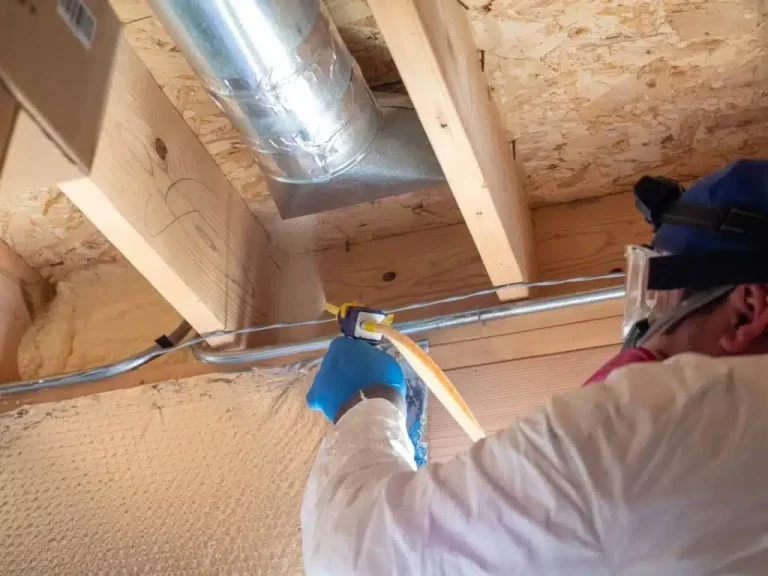
In a vented crawl space, the vents stay open and foam goes under the floor. The California Energy Commission installation form requires raised wood-frame floors to have at least R-19 insulation or an equivalent U-factor, and the insulation must be in full contact with the subfloor.
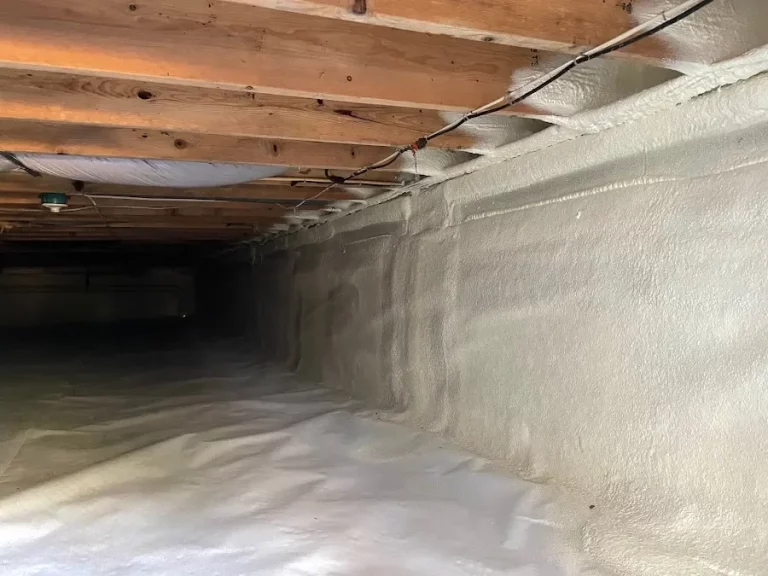
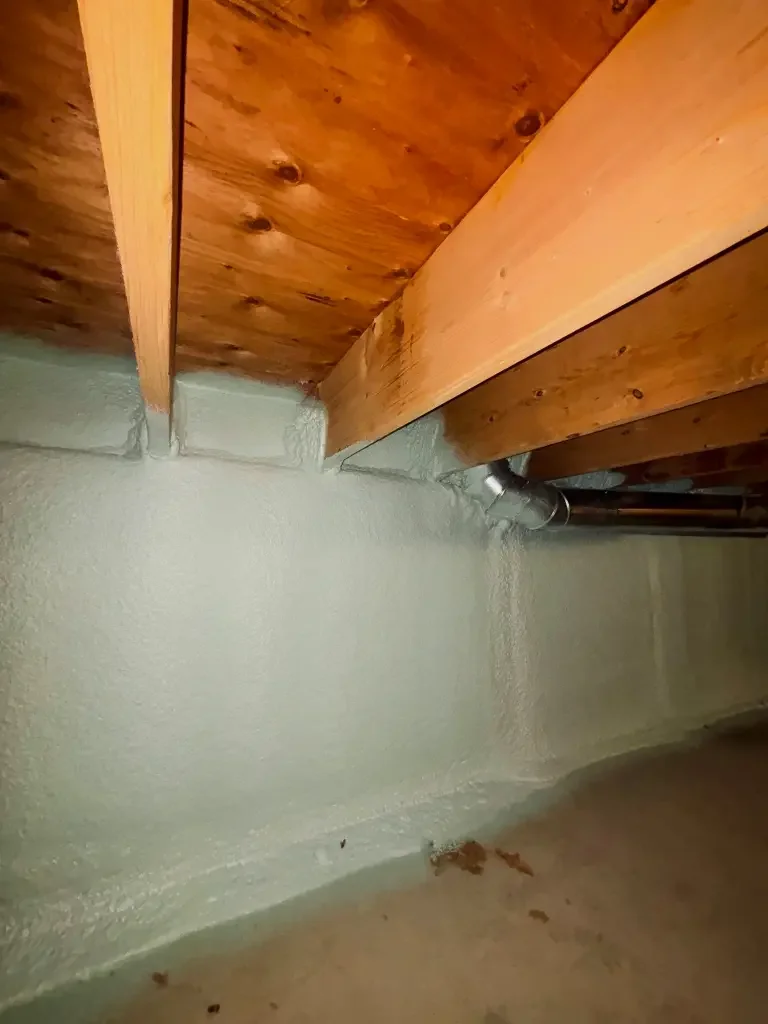
In a sealed crawl space, the vents get closed and foam goes on the foundation walls and rim joists. The same form requires the dirt floor of an unvented crawl space to be covered with a Class I or Class II vapor retarder. The DOE checklist describes at least 6-mil polyethylene, with seams lapped 6 to 12 inches and taped, run 6 inches up the walls. For help with crawl space insulation, you can also connect with our local spray foam team.
| Item | Vented | Sealed |
|---|---|---|
| Foam goes on | Floor underside | Walls, rim joists |
| Vents | Open | Closed |
| Ground barrier | Recommended | Required |
There’s one safety point to settle before sealing. If a gas furnace or water heater sits in the crawl space, sealing changes its air supply. The DOE checklist calls for a combustion safety test afterward to check for back-drafting. It also calls for giving the homeowner a radon test kit.
Local Things to Check in Parkwood, CA
Parkwood is an unincorporated community in Madera County, just south of the city of Madera. If you are scheduling a crawl space insulation Parkwood, CA, permit questions typically go to Madera County, not the city, so ask before work starts.
The area gets about 12 inches of rain a year, mostly in winter, and summers run hot. That means crawl spaces here are often dusty in summer, and damp spots may only show up after winter storms. If you can, check under the house after a rain.
Plan to Leave the House During Installation
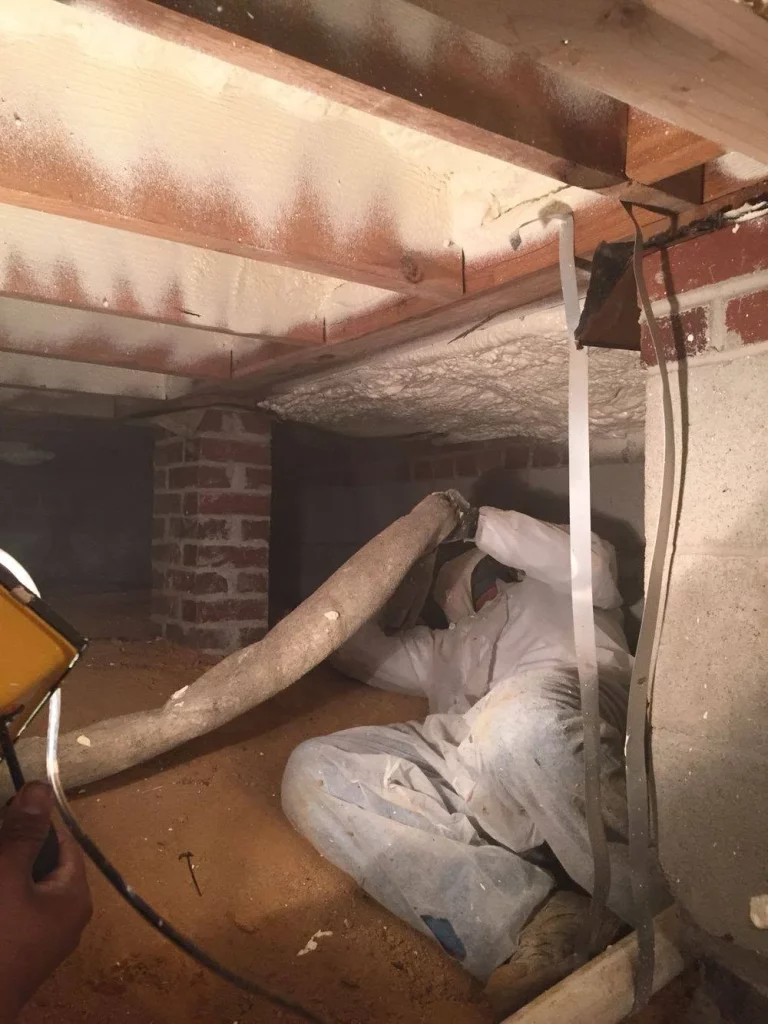
The U.S. EPA says occupants should leave during installation. They should stay out until the foam cures and the home is aired out and cleaned. Some manufacturers suggest 24 hours for professional two-part foam, but the time varies by product. Get the re-entry time in writing, make plans for kids and pets, and tell your installer if anyone in the home has asthma.
Week-Before Prep Checklist
- Leaks fixed and crawl space dry
- Stored items and debris removed
- Pest cleanup done if needed
- Vented or sealed choice made
- Permit question answered
- Hatch and outside path clear
- Place to stay booked
Get Expert Crawl Space Insulation Parkwood, CA
Not sure if your crawl space should stay vented or be sealed? If you need professional crawl space insulation Supreme Spray Foam Fresno can look at the moisture, old insulation and access, then explain the prep needed before installation. Call (559) 545-0800 or email [email protected] to book a visit in Parkwood, CA.
FAQs
Should I remove old fiberglass before spray foam?
Usually, yes. Wet, moldy or sagging batts should come out so the foam bonds to clean framing or walls.
Do I need a vapor barrier before spray foaming a crawl space?
For a sealed crawl space, yes, because California code requires one. In a vented space, a ground cover still cuts moisture coming up from the soil.
Should I foam the crawl space ceiling or the walls?
Vented crawl spaces get foam under the floor. Sealed ones get it on the walls and rim joists. Doing both rarely makes sense.
How long should I stay out after spray foam?
Plan on at least a day, then follow the written guidance from the product maker and your installer.
Can I do the prep myself?
You can clear storage and debris yourself. Rot repair, pest cleanup and gas appliance checks should go to qualified pros.
Sources
- California Energy Commission – R-19 raised floor minimum, subfloor contact and the vapor retarder rule for unvented crawl spaces.
- Building America Solution Center – Pre-work inspection, insulation removal, ground barrier specs, combustion testing and radon kit.
- U.S. EPA – Leaving the home during installation and safe re-entry timing.

- How Can Homeowners Prepare a Crawl Space for Spray Foam Installation in Parkwood, CA? - October 15, 2026
- Why Does Crawl Space Access Matter When Installing Spray Foam Insulation? - October 15, 2026
- What Makes Crawl Space Spray Foam a Choice for Better Air Quality in Oakhurst, CA? - September 22, 2026