

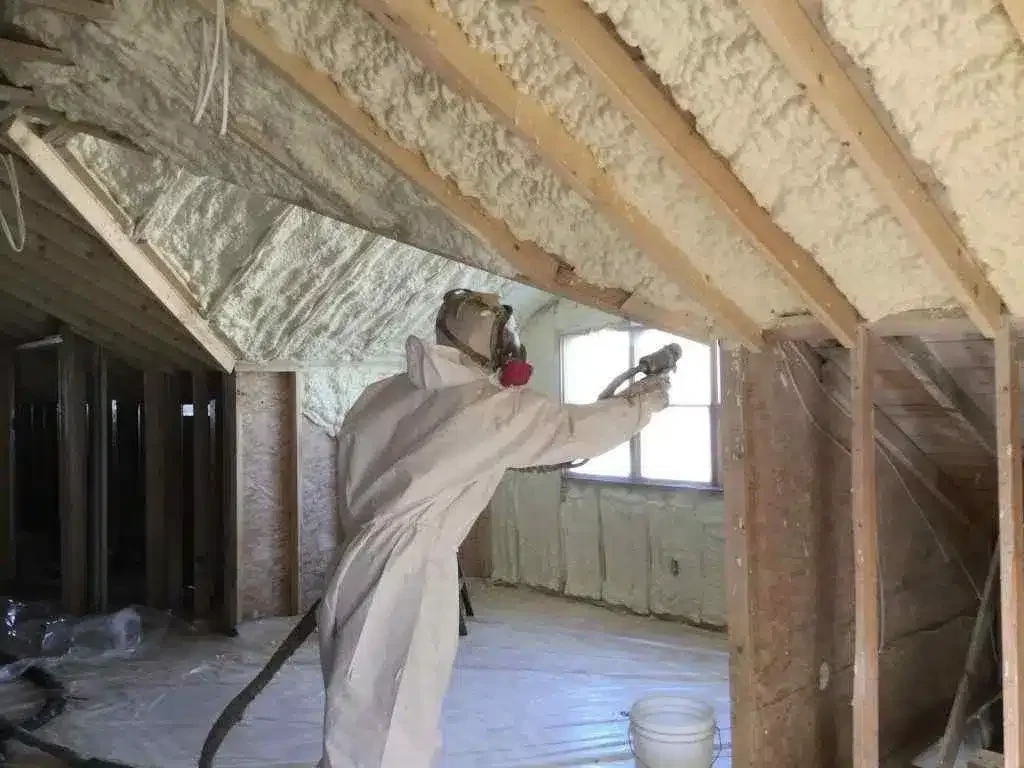
The open cell spray foam insulation Fresno, CA homes use most often is a soft foam that insulates and seals air leaks in one pass. It costs less than closed cell foam, absorbs sound, and fits best in dry attics and walls. Supreme Spray Foam Fresno offers free quotes.
TL;DR
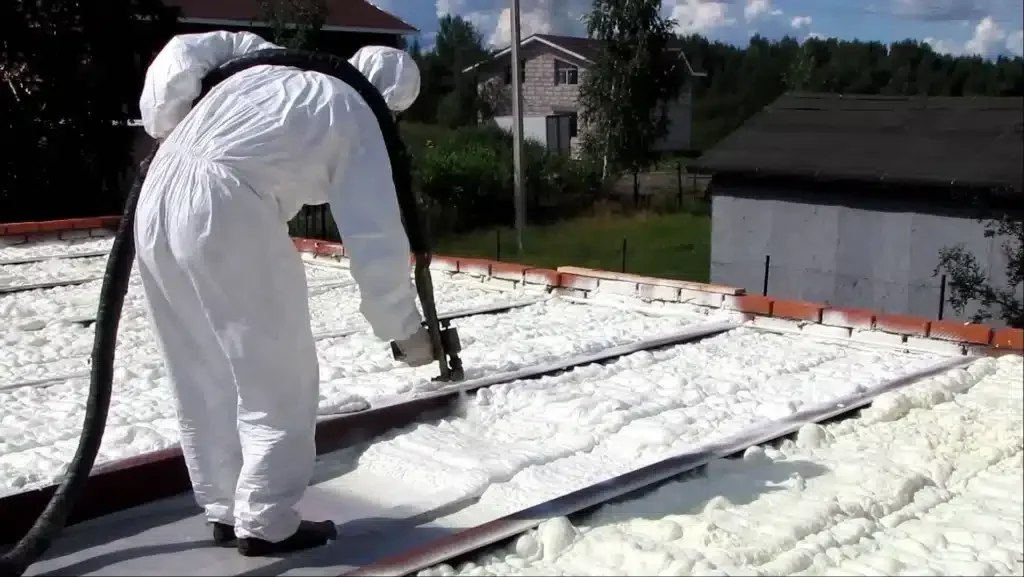
Open cell foam starts as two liquids that get sprayed onto roof decks, framing and wall cavities. The mix expands on contact and sets into a soft, sponge-like layer. One application insulates and blocks air movement.
The U.S. Department of Energy says open-cell foam weighs about half a pound per cubic foot and delivers roughly R-3.6 per inch. It can swell to 150 times its liquid volume, so it reaches cracks that batts leave behind. It stops air but lets water vapor pass, and that shapes where it belongs.
Fresno summers hammer attics and AC bills. Heat pours in through the roof and every gap in the ceiling plane, and your system pays for it all day.
GV Wire reported National Weather Service data showing highs of 105 and above for much of July 2024. In that heat, air sealing solutions matter as much as R-value, because leaks let hot air slip into living space. Open cell foam closes those gaps as it expands. That’s why local spray foam insulation Fresno, CA jobs so often start in the attic, and why open cell suits residential insulation upgrades on older houses with gaps around wiring and plumbing.
Dry summers help too. The same DOE guide rates open cell foam as preferred for wall cavities in hot-dry climates, where moisture loads stay lower. Its soft cell structure also absorbs sound, so you get quieter, more energy-efficient homes at a lower price than closed cell.
Open cell foam isn’t right for every spot in a house. Choosing the right open cell timber insulation for suitable areas helps protect your money and your framing.
It depends on the space and your budget. This table sticks to figures from the DOE guide.
Open Cell | Closed Cell | |
R-value per inch | About 3.6 | About 6 |
Moisture | Vapor open, absorbs water | Vapor retarder, repels water |
Cost | Lower | Higher |
Best spots | Dry attics and walls | Below grade, wet areas |
Closed cell packs more R-value into each inch and handles wet areas. Open cell wins on price and on dry attic and wall jobs. Some homes use both, each where it performs best.
Good open cell insulation services follow a clear routine, so nothing surprises you. Here’s the usual flow:
The U.S. EPA says occupants and other trades should leave during spraying and stay out until the foam cures and the space is ventilated and cleaned. Some manufacturers allow re-entry after 24 hours for professional systems, but times vary by product. Ask for the exact time in writing, especially if children or anyone with asthma lives in the home.
Price depends on square footage, foam depth, access and how much old insulation has to come out. A few questions keep quotes easy to compare:
Ready to price your project? Supreme Spray Foam Fresno offers free quotes for attics, walls and more in Fresno, CA. Tell us what bugs you most, whether that’s hot rooms, high bills or noise, and we’ll give you a clear number.
Call (559) 545-0800 or email [email protected].
Does open cell spray foam smell after installation?
A mild odor right after spraying is common and should fade as the foam cures and the space gets ventilated. A strong smell, or one that returns on hot days, can point to a mixing or moisture problem. Call your installer right away.
Do I need to remove old insulation before spraying?
Often, yes, in the areas getting foam. Open cell has to bond to the roof deck, rafters or wall framing, so batts or loose fill in the way usually come out first. Your installer should tell you what’s coming out before work starts.
How thick does open cell foam need to be?
It depends on your target R-value. At about R-3.6 per inch, a 5.5-inch layer lands near R-20, which fills a standard 2×6 wall cavity. Ask for the thickness and R-value in writing on your quote.
Does open cell foam cause problems if my roof leaks?
It can absorb the water. Wet open cell foam can dry out over time, but fix roof leaks before spraying and check the attic after heavy storms.
How long does an open cell job take?
It depends on square footage, access and prep work. Small areas can often finish in a day, while a whole home takes longer. Ask for a timeline when you get your quote.