
Labor is the single largest variable in your attic spray foam insulation bill, and for homeowners in Livingston, CA, it directly determines whether a project stays within budget or runs over. Unlike materials that are measured and ordered by the board foot, labor reflects the human effort, skill, and time required to prep, spray, and finish an attic space. Every attic is different, and every home in Livingston presents its own set of challenges, from low-pitch roofs and tight crawl areas to existing insulation that must be removed before new spray foam can adhere properly. Certified installers with specialized health and safety training command higher rates than untrained labor, and their expertise directly affects the quality and longevity of your insulation. Understanding exactly what drives labor costs helps you evaluate quotes, avoid surprises, and invest wisely in a project that delivers real energy savings for decades. You can learn more in attic spray foam insulation guide.
TL;DR
- Labor accounts for a significant portion of total spray foam project billing, sometimes making up 30% to 60% of the final invoice, because every attic demands custom preparation and skilled application.
- Livingston sits in California Energy Code Climate Zone 3 and IECC Climate Zone 3, requiring minimum R-38 ceiling insulation to comply with building energy standards.
- Certified installers with SPFA Professional Certification Program credentials and CPI health and safety training deliver better results, which shows up in labor rates.
- Attic preparation work, including removing old insulation, cleaning debris, sealing penetrations, and installing baffles, adds hours to every project and directly affects the bill.
- Difficult access, steep roof pitches, low-clearance eaves, and the presence of HVAC equipment in the attic all increase labor time and cost.
- The quality of labor determines whether spray foam achieves its rated R-value and creates a continuous air barrier, making cheaper labor a false economy.
How California Climate Zones Shape Attic Insulation Requirements
Livingston, CA falls within California Energy Code Climate Zone 3 and IECC Climate Zone 3. According to the California Energy Commission’s Climate Zone mapping system, California uses sixteen climate zones to set insulation standards that vary significantly across the state. In Climate Zone 3, the 2012 IECC compliance guide for California homes specifies a minimum ceiling R-value of R-38 for residential buildings.
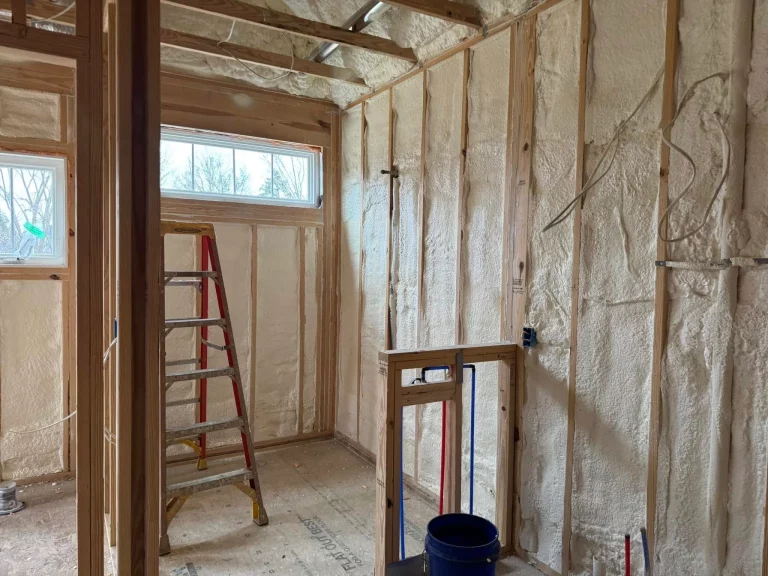
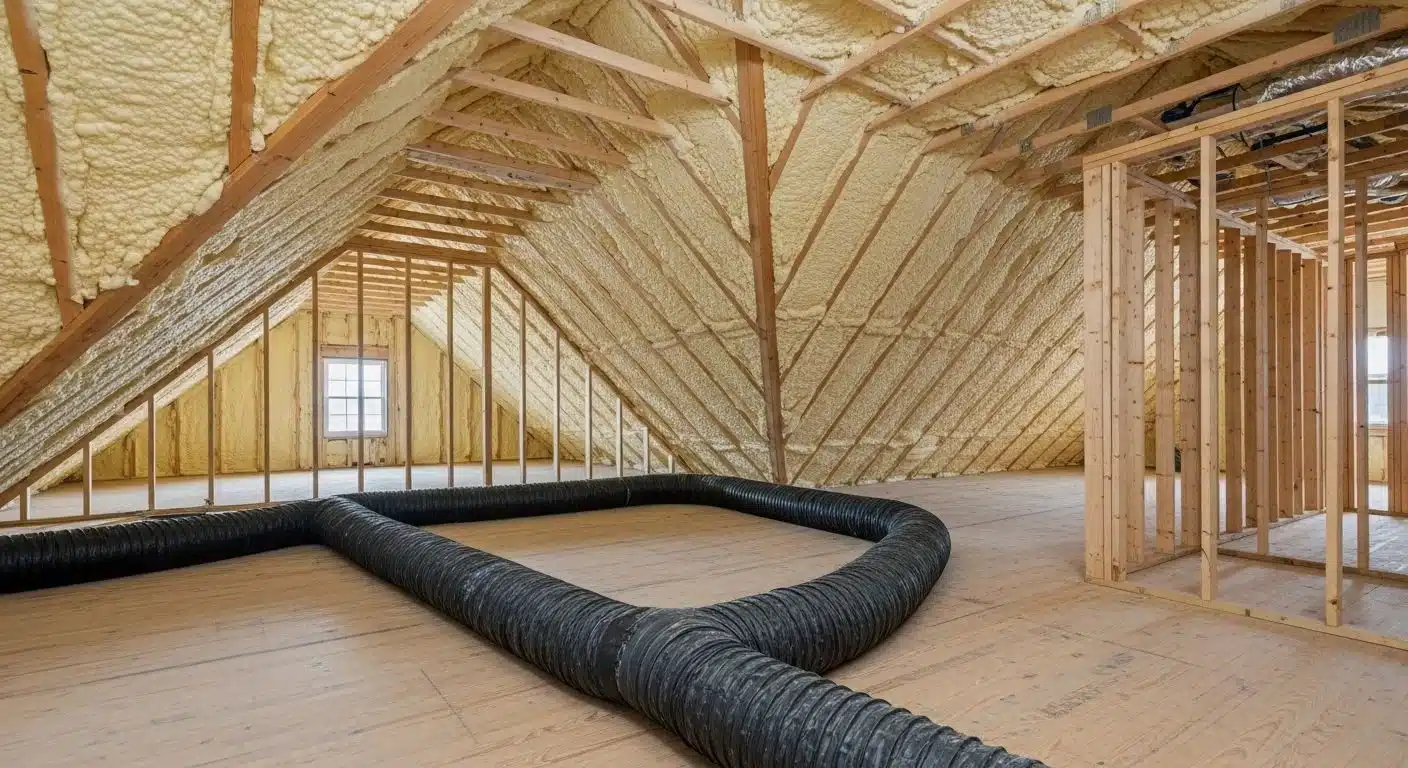
What this means for your billing is straightforward: your insulation must meet or exceed R-38, and achieving that target with spray foam requires precise thickness control and complete coverage. That level of precision demands experienced labor. Open-cell spray foam typically delivers around R-3.6 to R-3.7 per inch, meaning roughly 10 to 11 inches of foam are needed to hit R-38. Closed-cell spray foam delivers a higher R-value per inch, but it also costs more in materials and requires more meticulous application technique. Either way, the labor hours needed to achieve code-compliant coverage in a Livingston attic will be a major line item on your invoice.
Attic Preparation: Where Labor Hours Add Up Fast
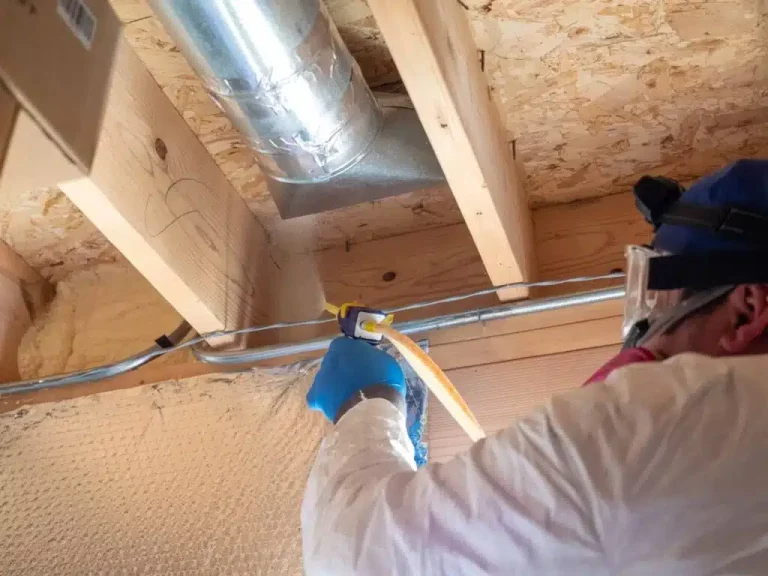
The actual spraying is only part of the work. Before any foam touches your attic floor, substantial preparation must happen. The Building America Solution Center’s guide to spray foam insulation on existing attic floors outlines a detailed process that includes inspecting for knob-and-tube wiring, checking for roof leaks, rerouting bathroom fans that vent into the attic, removing existing insulation, and cleaning all debris and dust from the attic floor surface.
This preparation stage is labor-intensive and cannot be skipped or rushed. Old insulation, dust, plaster bits, and debris interfere with spray foam adhesion, and attempting to spray over them will result in a failed air seal. If your Livingston home was built decades ago, there is a real chance of encountering vermiculite insulation that may contain asbestos, knob-and-tube wiring that needs remediation, or significant animal debris. Each of these discoveries adds labor hours, protective equipment costs, and specialist involvement to your project.
Additional prep work includes:
- Sealing attic floor penetrations around plumbing stacks, electrical wires, and HVAC flues
- Installing baffles at each soffit vent to maintain ventilation pathways
- Adding metal blocking and collars around hot flues to maintain clearance from insulation
- Covering non-ICAT-rated recessed can lights with approved covers before foaming
Every one of these tasks requires trained hands and time on site, which is why preparation labor can equal or exceed the labor spent on spraying itself.
Installer Certification and Training: Why It Affects Your Bill
Not all spray foam installers are equally qualified, and their level of training has a direct impact on your billing. The Spray Polyurethane Foam Alliance’s Professional Certification Program defines four certification levels for insulation contractors: SPF Assistant, SPF Installer, SPF Master Installer, and SPF Project Manager. Each level requires progressively more field experience. Master Installers must demonstrate competence through field examinations and have at least 500,000 board feet of spraying experience.
Beyond trade certification, installers must complete chemical health and safety training. The Center for the Polyurethanes Industry’s SPF Chemical Health and Safety Training, developed through the American Chemistry Council with support from OSHA, covers proper use and handling of spray polyurethane foam, potential health hazards, engineering controls, and personal protective equipment requirements. High-pressure SPF training is mandatory for anyone working with the two-component systems used in attic insulation projects. This certification is valid for two years, meaning ongoing recertification adds to a contractor’s operational costs.
When you hire a team with these credentials, you are paying for labor that is trained to:
- Control foam lift thickness for consistent R-value delivery
- Monitor chemical ratio accuracy during application
- Manage substrate temperature and moisture conditions
- Work safely with full PPE in confined, hot attic spaces
Skilled labor costs more per hour, but it produces a better air seal, fewer callbacks, and insulation that performs as specified for the life of your home.
Factors That Increase Labor Time on Livingston Attics
Every attic has unique characteristics that affect how long the job takes. The table below summarizes the most common variables and how they influence labor demands.
| Attic Condition | Labor Impact | Reason |
|---|---|---|
| Low-slope roof with limited eave clearance | High | Installers must work in cramped spaces, slowing application and prep |
| Existing blown-in or batt insulation | High | Full removal and disposal required before spray foam can adhere |
| HVAC equipment and ductwork in attic | High | Equipment may need temporary relocation; duct encapsulation adds complexity |
| Multiple penetrations and complex framing | Moderate | Each penetration requires individual sealing before foam application |
| Clean, open attic with no existing insulation | Low | Faster prep and easier access reduces total labor hours |
| Steep-pitch roof | Moderate | Requires additional safety measures and limits working positions |
Livingston’s older residential neighborhoods, particularly homes built in the mid-20th century, frequently present multiple high-impact conditions at once. A home with low eave clearance, old blown-in fiberglass, unsealed penetrations, and HVAC equipment in the attic can easily require double the labor hours of a clean, open attic in a newer build.
How to Evaluate a Spray Foam Labor Quote
When comparing quotes for attic spray foam insulation in Livingston, look beyond the total number and ask specifically about labor. A lower quote that uses fewer crew hours or less experienced installers may leave you with gaps in coverage, incomplete air sealing, or foam that fails to meet the R-38 requirement for Climate Zone 3.
Ask these questions before signing:
- What does the preparation phase include? Does the quote cover removal and disposal of existing insulation, or is that billed separately?
- What certifications do the installers hold? Look for SPFA certification and current CPI health and safety training for every crew member on site.
- How will air sealing be verified? Will they use visual inspection, infrared thermography, or blower door testing to confirm the air barrier is continuous?
- Does the quote account for unexpected conditions? If vermiculite or hazardous materials are discovered, how is that handled and billed?
A transparent quote will break out preparation labor, spray application labor, equipment costs, and material costs separately. This level of detail lets you see exactly where your money goes and compare quotes on equal terms.
Signs You’ve Found the Right Contractor for the Job
The right spray foam contractor for your Livingston home will demonstrate several clear qualities. They will explain the preparation process in detail before quoting, including potential complications they look for during the initial inspection. They will discuss California’s Climate Zone 3 requirements and how their approach meets or exceeds the R-38 standard. Their crew will arrive with proper PPE, calibrated equipment, and documentation of current certifications. They will communicate openly about timeline, access needs, and what happens if unexpected conditions are found during prep work. And they will stand behind their work with a clear warranty that covers both materials and labor. This is why homeowners often compare attic spray foam vs mineral wool before making a final decision.
What to Expect During the Installation Process
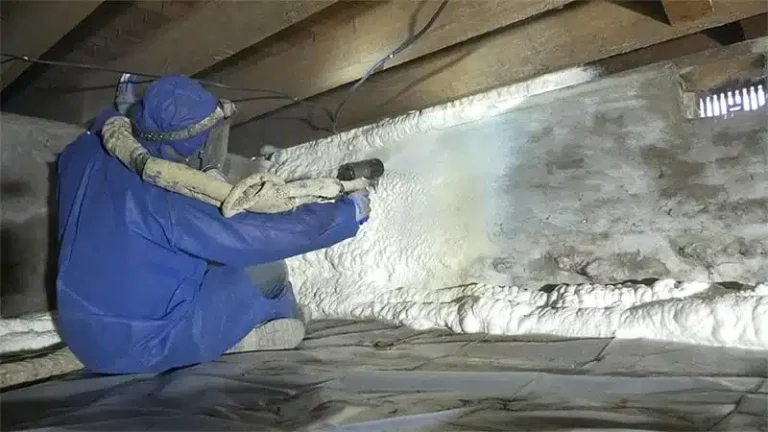
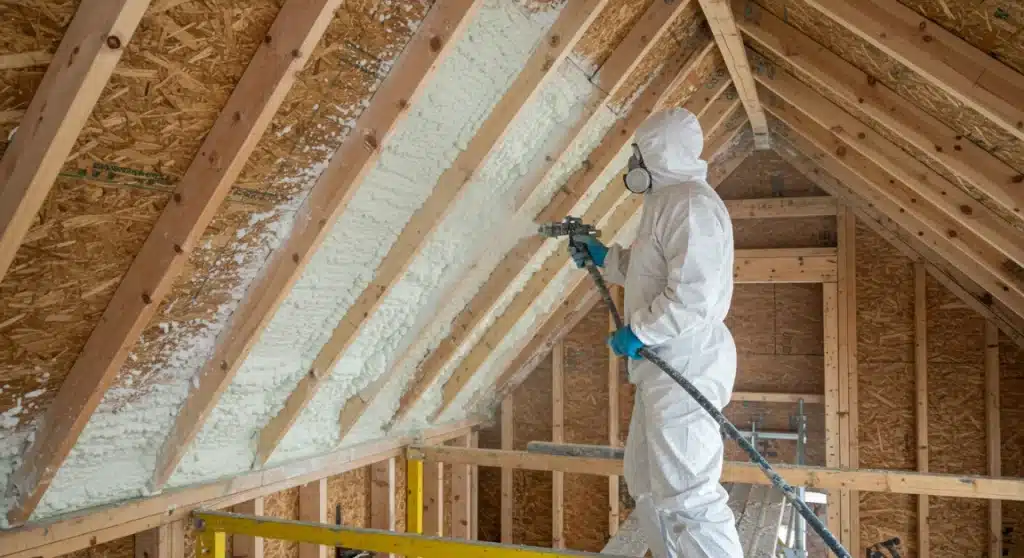
A typical attic spray foam project in Livingston follows a predictable sequence once the crew arrives. The first phase is site preparation: covering floors and surfaces below the attic access point, setting up ventilation equipment, and staging materials. The crew then enters the attic to assess conditions, confirm the work plan, and begin removing existing insulation if required. After the attic floor is clean and all penetrations are sealed, baffles are installed at soffit vents, and protective coverings are placed over non-ICAT light fixtures and electrical junction boxes. The spray foam application begins, with the crew working in controlled passes to achieve the specified thickness. After the foam cures, a visual inspection confirms complete coverage and proper adhesion. The entire process typically takes one to two days depending on attic size and complexity.
Get Your Livingston Attic Insulation Quote From Supreme Spray Foam Fresno
Supreme Spray Foam Fresno provides professional attic spray foam insulation services to homeowners throughout Livingston and the surrounding Central Valley. Our certified installers hold current SPFA and CPI credentials, and we follow the preparation and application standards set by the U.S. Department of Energy’s Building America program. We evaluate every attic individually and provide detailed, transparent quotes that account for your home’s specific conditions and California’s Climate Zone 3 requirements. Whether your attic needs full spray foam application or air sealing combined with supplemental insulation, our team delivers code-compliant results that improve comfort and reduce energy costs for years to come.
Call us at (559) 545-0800, email [email protected], or reach out today to schedule your attic insulation assessment.
Frequently Asked Questions
Why does labor make up such a large portion of my spray foam insulation bill?
Spray foam installation is a highly manual process that requires specialized training, safety equipment, and precise application techniques. The preparation work alone, including removing old insulation and sealing penetrations, can take as long as the actual spraying.
What R-value does my attic need to meet code in Livingston?
Livingston is in California Energy Code Climate Zone 3 and IECC Climate Zone 3, which requires a minimum R-38 for ceiling and attic floor insulation assemblies.
Can I save money by having a less experienced crew do the work?
Lower-cost labor often means less thorough preparation and application, which can result in gaps, incomplete air sealing, and foam that fails to meet its rated R-value. Poor installation also voids manufacturer warranties.
How do I know if my attic has conditions that will increase labor costs?
An on-site inspection is the only reliable way to identify factors like hazardous materials, low clearance, existing insulation that needs removal, or complex framing that slows application.
What certifications should my spray foam installers have?
Look for SPFA Professional Certification Program credentials (Installer or Master Installer level) and current CPI High-Pressure SPF Chemical Health and Safety Training, which is valid for two years and developed through the American Chemistry Council.
Sources
- Climate Zone Tool, Maps, and Information – California Energy Commission – Official California state resource mapping sixteen climate zones used to set building energy efficiency standards by location.
- Spray Foam Insulation Applied to Existing Attic Floor – Building America Solution Center – U.S. Department of Energy-funded technical guide detailing preparation, application, and code compliance requirements for attic spray foam insulation.
- Contractor Certifications – Spray Polyurethane Foam Alliance – Industry trade association outlining the four-level Professional Certification Program for spray foam insulation installers and project managers.
- Spray Polyurethane Foam Chemical Health and Safety Training – Center for the Polyurethanes Industry – OSHA-supported health and safety training program for high-pressure and low-pressure SPF applicators, developed by the American Chemistry Council.
- IECC Compliance Guide for Homes in California – Insulation Institute – Reference guide mapping California counties and cities to IECC climate zones with corresponding minimum R-value requirements for residential building envelopes.

- What Makes Crawl Space Spray Foam a Choice for Better Air Quality in Oakhurst, CA? - September 22, 2026
- Crawl Space Spray Foam: Types, Benefits, Costs, Installation, and Guide - September 22, 2026
- How Long Should Spray Foam Insulation Last Before It Needs to Be Repaired in Ahwahnee, CA? - September 11, 2026