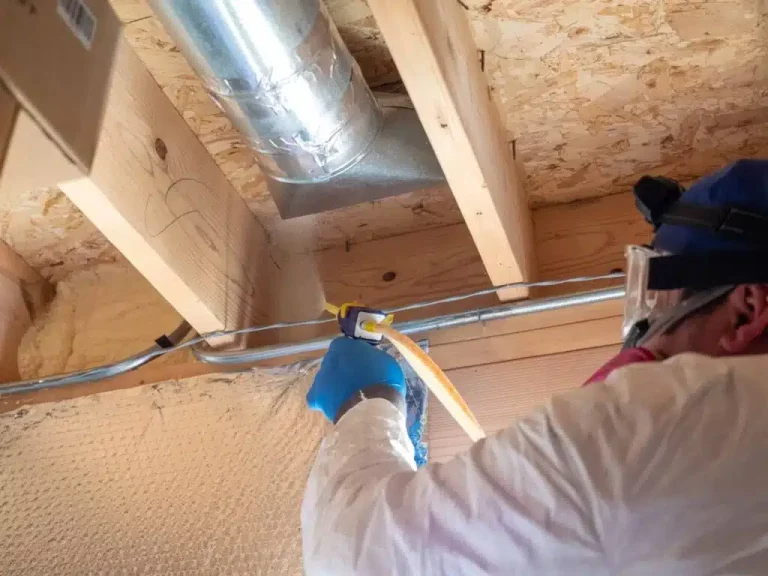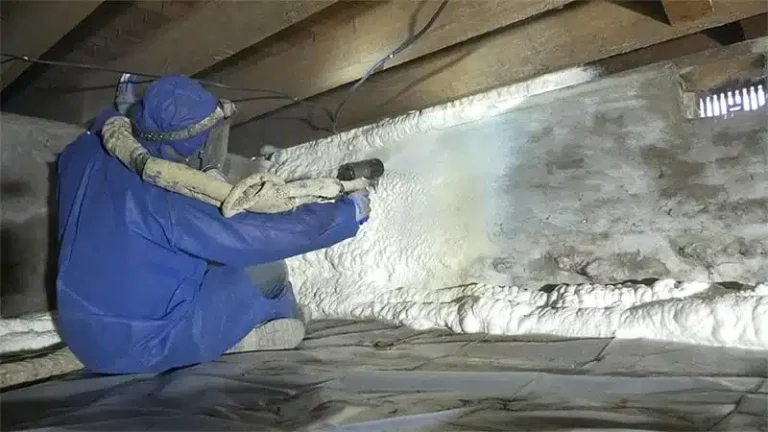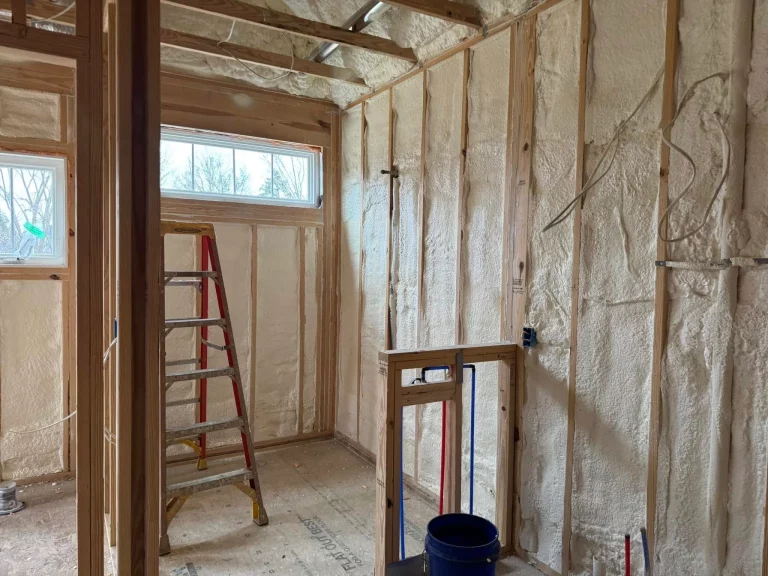
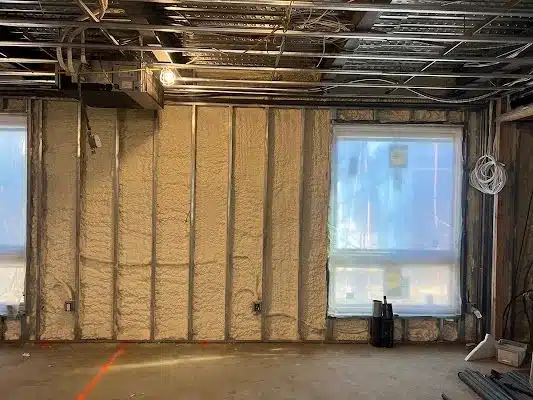
Professional insulation installation consistently outperforms DIY kits in thermal performance, code compliance, and long-term energy savings for Fresno homeowners. While DIY kits appeal to budget-conscious property owners looking for a weekend project, they carry real risks of uneven coverage, improper air sealing, and failure to meet California’s Title 24 energy code requirements. Fresno sits in California Climate Zone 13, which demands specific R-value minimums that professional installers are trained to hit on every project. For homeowners serious about cutting energy costs and maintaining comfort through Fresno’s triple-digit summers, professional installation delivers measurable, lasting results that DIY approaches rarely match.
TL;DR
- Fresno falls within California Climate Zone 13, which has specific R-value minimums under Title 24 that affect both new construction and renovations
- The EPA estimates homeowners can save an average of 15% on heating and cooling costs when insulation and air sealing are done correctly
- Nine out of ten homes in the U.S. are under-insulated, meaning most Fresno properties have room for meaningful improvement
- DIY kits work for small, supplemental projects but carry risks of uneven application, voids, and moisture problems in larger jobs
- Professional installers bring calibrated equipment, code knowledge, and manufacturer warranties that DIY setups cannot replicate
- Title 24 requires minimum R-13 for 2×4 walls, R-20 for 2×6 walls, R-22 for ceilings, and R-19 for raised floors in Fresno’s climate zone
- Air sealing, which stops conditioned air from escaping, is often the most overlooked step in DIY installations and the area where professionals add the most value
What Fresno’s Climate Zone Means for Insulation Choices
Fresno’s placement in Climate Zone 13 is not a technical detail to gloss over. The California Energy Commission divides the state into 16 climate zones, each with its own set of energy efficiency requirements baked into Title 24, Part 6 of the building energy efficiency standards. Zone 13 covers much of the Central Valley, including Fresno, and is characterized by hot summers and cool winters, which puts significant demand on both cooling and heating systems.
The 2022 Energy Code mandatory requirements spell out specific insulation minimums that apply to every residential project in this zone. Ceilings must carry at least R-22 insulation or meet a U-factor of 0.043. Wood-frame walls need a minimum of R-13 in 2×4 construction or R-20 in 2×6 construction. Raised floors require R-19 minimum. These are not suggestions; they are code requirements tied to building permits and inspections.
Professional insulation contractors in Fresno work with these requirements daily. They know which materials and installation methods satisfy compliance and how to document the work for inspectors. A homeowner using a DIY kit has to independently research, source, and verify every one of these specifications, which is where errors commonly occur.
Professional Insulation versus DIY Kits: A Side-by-Side Breakdown
The differences between the two approaches go well beyond who holds the spray gun. Here is a direct comparison across the factors that matter most to Fresno homeowners.
| Factor | Professional Installation | DIY Kits |
|---|---|---|
| Thermal Performance | Consistent R-value across entire surface; calibrated equipment ensures proper expansion and density | Uneven coverage is common; voids and gaps reduce effective R-value significantly |
| Code Compliance | Installer handles Title 24 requirements, permits, and inspection documentation | Homeowner bears full responsibility for meeting code; mistakes can fail inspection |
| Air Sealing | Integrated air sealing as part of the install; identifies and seals penetrations, gaps, and leaks | Often skipped entirely; even when attempted, inconsistent sealing limits effectiveness |
| Safety | Trained crews use proper PPE, ventilation, and curing protocols | Homeowners risk exposure to chemicals and fumes without industrial ventilation equipment |
| Equipment | Commercial-grade rigs with heated hoses, consistent pressure, and professional-grade nozzles | Portable kits with limited pressure and narrower spray patterns |
| Warranty | Labor and material warranties backed by the installer and manufacturer | No labor warranty; material-only warranty if the product is registered and installed correctly |
| Project Speed | Typical whole-home insulation completed in one to two days | Small areas manageable in a weekend; larger projects stretch over multiple sessions |
| Moisture Control | Professionals account for vapor barriers and ventilation per code for Zone 13 | Improper moisture management can lead to condensation, mold, and wood rot |
Why Proper Installation Matters More Than the Material Itself
The Department of Energy explains that the effectiveness of insulation depends heavily on how and where it is installed. Insulation that is compressed, gaps-filled, or unevenly applied will not deliver its full rated R-value. Thermal bridging, where heat transfers through framing members rather than through the insulation, further reduces real-world performance. A professional installer accounts for all of these variables during the job.
Air sealing is equally important. According to the DOE, insulation that fills building cavities reduces airflow and saves energy, but only when it is paired with proper air sealing. The EPA notes that the combined holes and gaps in a typical home’s envelope add up to the equivalent of leaving a window open year-round. DIY kits focus on the insulation material itself, but air sealing is what actually stops conditioned air from escaping. This is the area where the gap between professional work and DIY work is most pronounced.
In Fresno’s climate, where summer temperatures regularly exceed 100 degrees, any gap in insulation or air sealing forces the HVAC system to work harder. That translates directly into higher utility bills and more wear on equipment.
Real-World Fresno Scenarios
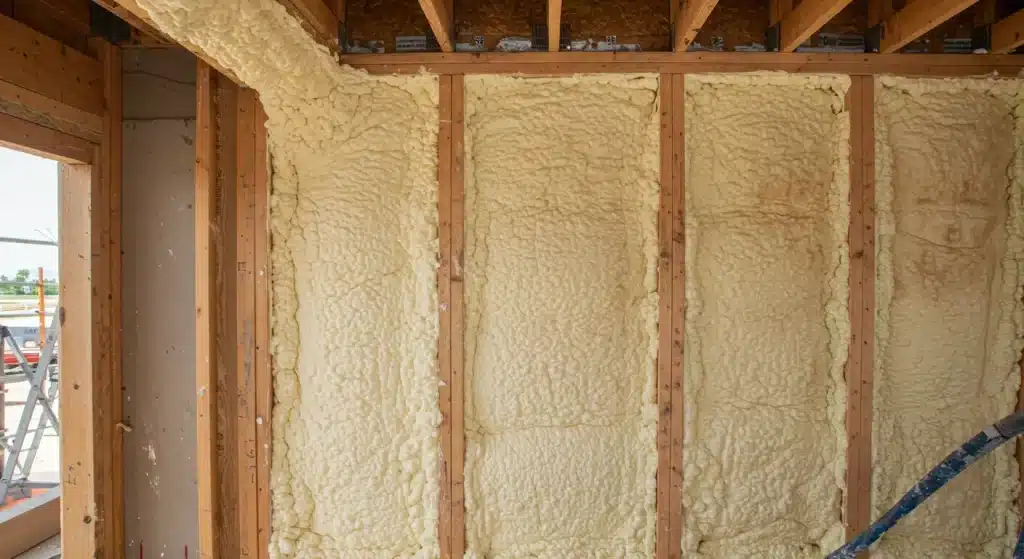
Here are five realistic situations we encounter regularly, each with a clear recommendation based on the property’s needs.
| Scenario | Property Type | Recommended Option | Key Reason |
|---|---|---|---|
| 1970s tract home with no attic insulation | Single-family residential, 1,400 sq ft | Professional | Large area requires consistent coverage, air sealing, and R-38+ to meet current standards |
| New construction garage workshop | Detached accessory structure, 400 sq ft | DIY Kit | Small, unconditioned space where precise R-value matters less than basic thermal resistance |
| Crawl space encapsulation under existing home | Single-family residential, raised foundation | Professional | Moisture control, vapor barrier integration, and code compliance are critical below the living space |
| Rim joist sealing in a bonus room conversion | Interior renovation, 200 sq ft of rim joist | DIY Kit | Small, defined area that a capable homeowner can manage with proper PPE and preparation |
| Whole-home spray foam retrofit including walls and attic | Single-family residential, 2,200 sq ft | Professional | Full envelope work requires commercial equipment, code documentation, and warranty coverage |
Factors That Influence the Decision
Several variables determine whether a DIY kit or professional installation is the right call for a given Fresno property.
- Project scope: Small, contained areas like rim joists or a single crawl space bay can work with a DIY kit. Whole-home or multi-room projects strongly favor professional installation.
- Code and permit requirements: Any project requiring a building permit in Fresno will need to meet Title 24 standards, which often means professional involvement for documentation and inspection readiness.
- Existing conditions: Homes with settled insulation, moisture damage, pest infestations, or mold need professional assessment before any new insulation goes in. Covering up problems makes them worse.
- Indoor air quality concerns: Spray foam off-gassing requires proper ventilation during and after application. Professional crews direct fumes outside and follow curing protocols that protect occupants.
- Long-term plans: Homeowners planning to sell within a few years benefit from professional installation documentation, warranties, and code compliance that buyers and inspectors look for.
- Structural complexity: Vaulted ceilings, irregular framing, multiple attic knee walls, and tight crawl spaces all increase the difficulty of a proper install and make professional work the safer choice.
Who Professional Installation Is For (and Who It Is Not)
Professional insulation is the right fit for homeowners who want verified energy savings, code compliance, and a job backed by labor and material warranties. It works best for whole-home projects, properties with existing moisture or air quality issues, and anyone adding insulation as part of a larger renovation that requires permits.
Professional installation is not necessary for every situation. Homeowners insulating a small shed, sealing a few rim joist bays, or adding supplemental insulation to a well-ventilated, unconditioned garage can reasonably use a DIY kit and get acceptable results, provided they follow all manufacturer safety guidelines.
Get a Professional Insulation Assessment for Your Fresno Home
Choosing between professional insulation and a DIY kit comes down to the size of the project, the code requirements for your property, and how much you value long-term performance over short-term savings. For most Fresno homeowners, especially those dealing with under-insulated attics, drafty crawl spaces, or high summer cooling bills, professional installation pays for itself through energy savings and peace of mind. Our team at Supreme Spray Foam Fresno evaluates every property individually, identifies the specific areas where insulation will make the biggest impact, and completes the work to meet California’s Title 24 standards. Many homeowners also explore proper insulation system benefits when improving indoor comfort and durability.
Call us at (559) 545-0800 or email [email protected] to get started with a no-obligation assessment of your home’s insulation needs.
Frequently Asked Questions
Can I legally install my own insulation in Fresno without a permit?
Permit requirements depend on the scope and location of the work. Minor repairs or additions to existing insulation may not require a permit, but new installations, especially those involving spray foam or structural changes, typically do under California’s building code. Check with the City of Fresno Building Department before starting any project.
How does Fresno’s Climate Zone 13 affect my insulation choices?
Climate Zone 13 has specific R-value minimums under Title 24, including R-22 for ceilings and R-13 to R-20 for wood-frame walls. These requirements ensure your home can handle the Central Valley’s extreme summer heat and winter cold. Professional installers work with these standards on every job.
What happens if my DIY insulation fails to meet Title 24 code?
If the work is tied to a permitted project and fails inspection, you will need to correct the deficiencies before the project can move forward. In some cases, improperly installed insulation may need to be removed and replaced entirely, which adds cost and delays.
How long does a professional insulation installation typically take?
Most whole-home insulation projects in Fresno are completed within one to two days, depending on the size of the property and the areas being insulated. Spray foam projects may require additional curing time before the space can be reoccupied.
Can spray foam insulation be installed over existing fiberglass batts?
In some cases, spray foam can be applied over existing insulation, but this depends on the condition of the existing material, moisture levels, and the specific assembly. A professional assessment is necessary to determine whether this approach is appropriate for your situation.
Sources
- U.S. Department of Energy – Insulation – Comprehensive guide on how insulation works, R-value requirements by climate zone, and the relationship between installation quality and thermal performance.
- ENERGY STAR – Why Seal and Insulate – EPA’s data on energy savings from air sealing and insulation, including the 15% heating and cooling cost reduction estimate and the statistic that 9 out of 10 U.S. homes are under-insulated.
- California Energy Commission – Climate Zone Tool and Maps – Official state resource explaining California’s 16 climate zones used for Title 24 energy code compliance.
- California Open Data – EZ Building Climate Zone Finder 2.0 – Confirms Fresno as the representative city for California Climate Zone 13, with zone assignments for all California jurisdictions.
- California Energy Commission – 2022 Residential Mandatory Requirements Summary – Detailed breakdown of Title 24 insulation minimums including R-values for ceilings, walls, floors, and mandatory air sealing requirements for residential buildings.

- What Makes Crawl Space Spray Foam a Choice for Better Air Quality in Oakhurst, CA? - September 22, 2026
- Crawl Space Spray Foam: Types, Benefits, Costs, Installation, and Guide - September 22, 2026
- How Long Should Spray Foam Insulation Last Before It Needs to Be Repaired in Ahwahnee, CA? - September 11, 2026