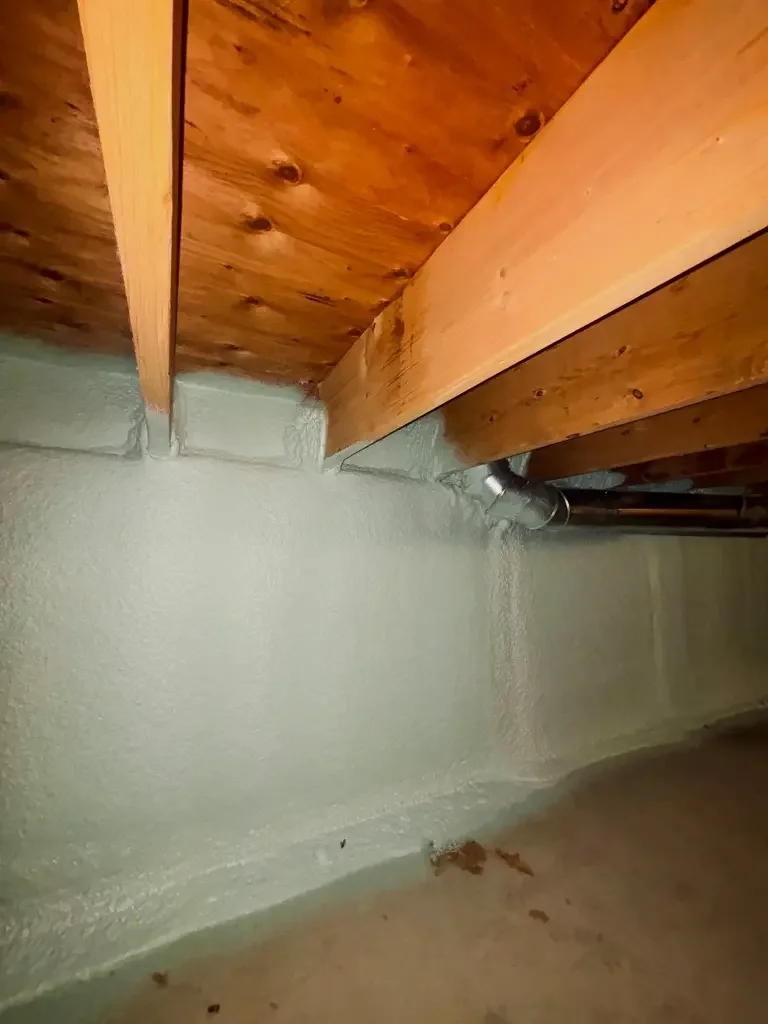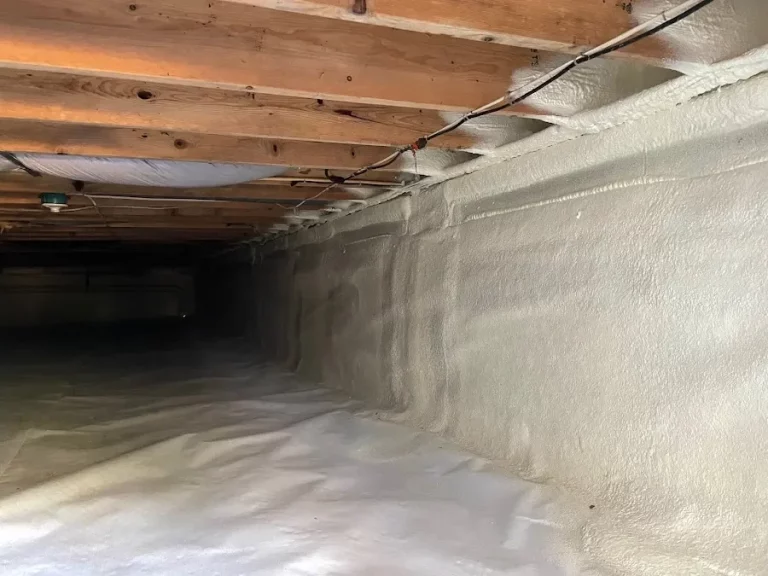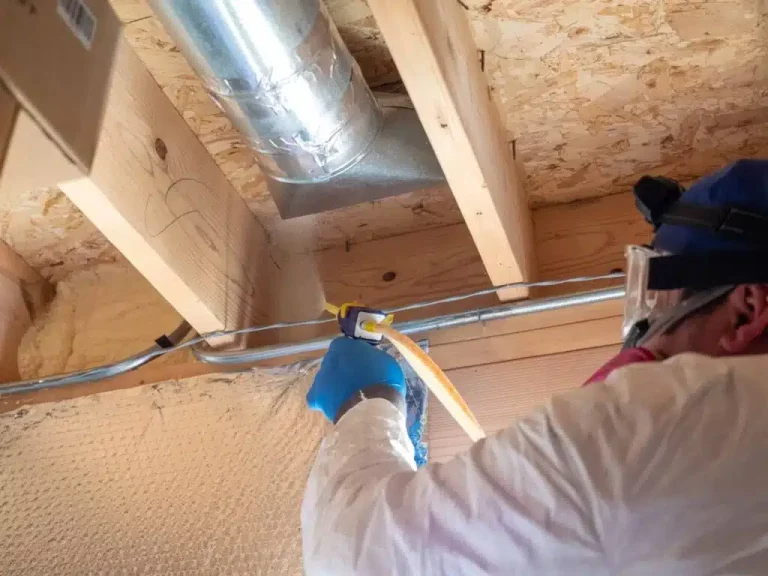

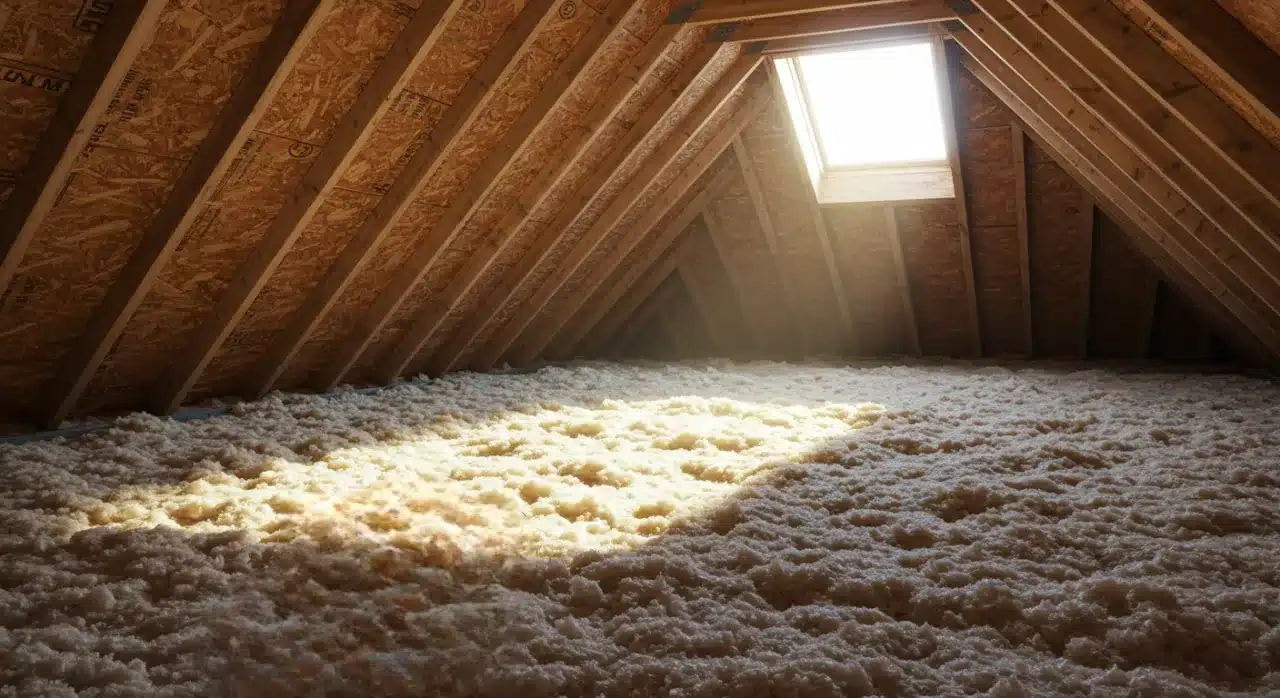
Installing attic spray foam insulation benefits homeowners by creating a continuous air seal that stops conditioned air from escaping through the roof. Unlike traditional materials that only slow down heat transfer, spray foam expands to fill every crack and gap, effectively neutralizing the “stack effect” where warm air rises and escapes. This high-performance barrier significantly reduces the workload on your HVAC system, leading to lower utility bills and more consistent indoor temperatures throughout the changing seasons in Clovis.
TL;DR
- Superior Thermal Resistance: Spray foam offers a higher R-value per inch than fiberglass or cellulose, providing better protection against the intense heat in the Central Valley.
- Airtight Sealing: The material acts as both an insulator and an air barrier, eliminating the drafts and air leaks common in older attic spaces.
- Reduced Energy Consumption: Sealing the attic can lower heating and cooling costs by 15% to 40%, depending on the home’s current condition.
- Improved Air Quality: By blocking outdoor pollutants, dust, and allergens from entering through the roofline, our team helps create a healthier indoor environment.
- Structural Support: Closed-cell spray foam adds rigidity to the roof deck, helping the structure better withstand high winds and pressure.
Understanding the Role of Attic Insulation in the Central Valley
Clovis experiences a wide range of temperatures, from blistering summer afternoons to chilly winter nights. In many homes, the attic is the primary source of energy loss. During the summer, radiant heat from the sun soaks into the roof and transfers into the attic, often reaching temperatures well over 130 degrees. If the insulation is insufficient, this heat migrates into the living spaces.
The primary benefits of attic spray foam insulation include shifting the thermal boundary from the attic floor to the roofline. By applying foam directly to the underside of the roof, our team creates a “conditioned attic.” This prevents the attic space from becoming a heat reservoir, protecting your ductwork and ensuring that the air reaching your rooms remains at the desired temperature.
According to the U.S. Department of Energy, heating and cooling account for the largest portion of energy use in a typical home. In Clovis, where air conditioning is a necessity for several months of the year, investing in energy-efficient insulation is one of the most effective ways to manage long-term household expenses.
Performance Comparison: Spray Foam vs. Traditional Materials
When choosing an attic insulation contractor, it is important to understand how different materials perform under pressure. Traditional batts can sag or leave gaps over time, whereas spray foam remains stable for the life of the structure.
| Feature | Spray Foam (Closed-Cell) | Fiberglass Batts | Cellulose (Blown-in) |
|---|---|---|---|
| R-Value per Inch | 6.0 – 7.0 | 2.2 – 3.8 | 3.2 – 3.8 |
| Air Sealing | Excellent (Built-in) | Poor (Requires extra steps) | Moderate |
| Moisture Resistance | High | Low | Low |
| Lifespan | 80+ years | 15 – 25 years | 20 – 30 years |
| Pest Resistance | High | Low | Moderate |
How Spray Foam Achieves Lower Utility Bills
One of the most immediate home comfort benefits of spray foam is reduced HVAC runtime. For property owners in Clovis, spray foam insulation helps reduce the constant air infiltration that forces air conditioning units to work harder during July and August. When our team performs a spray foam installation, we seal the “building envelope.”
This airtightness prevents the exchange of indoor and outdoor air. If your home stays cool longer, the thermostat doesn’t trigger the AC as frequently. This not only lowers utility bills but also extends the lifespan of your HVAC equipment by reducing wear and tear. ENERGY STAR estimates that sealing air leaks and adding insulation can save homeowners an average of 15% on total heating and cooling costs.
Real-World Clovis Homeowner Scenarios
The following table illustrates common problems our team encounters in local neighborhoods and how our professional applications resolve them.
| Scenario | Home Type | Problem | Solution | Outcome |
|---|---|---|---|---|
| Hot Second Floor | Two-story 1990s Suburban | Upstairs bedrooms 10 degrees hotter than downstairs. | Applied 5 inches of open-cell foam to the roof deck. | Temperature balanced within 2 degrees across both floors. |
| Dust and Allergy Issues | Older Bungalow near Old Town | Constant dust accumulation and high seasonal allergy symptoms. | Removed old cellulose and installed closed-cell spray foam. | 60% reduction in indoor dust and improved respiratory comfort. |
| High Utility Bills | Large Modern Estate | Monthly summer electric bills exceeding $600. | Full attic encapsulation and rim joist sealing. | Average monthly savings of $180 during peak summer months. |
The Importance of a Professional Attic Insulation Contractor
Proper installation is the most critical factor in achieving the full benefits of attic spray foam insulation. This is not a DIY project. It requires specialized equipment to heat and mix the chemicals at the correct ratio. If the mixture is off, the foam may not cure properly, leading to odors or reduced effectiveness.
As a dedicated attic insulation contractor, our team follows strict safety and application protocols. We ensure that the workspace is properly ventilated and that the foam is applied at the correct thickness to meet California Title 24 energy standards. A precise spray foam installation ensures that every nook, cranny, and electrical penetration is sealed tight.
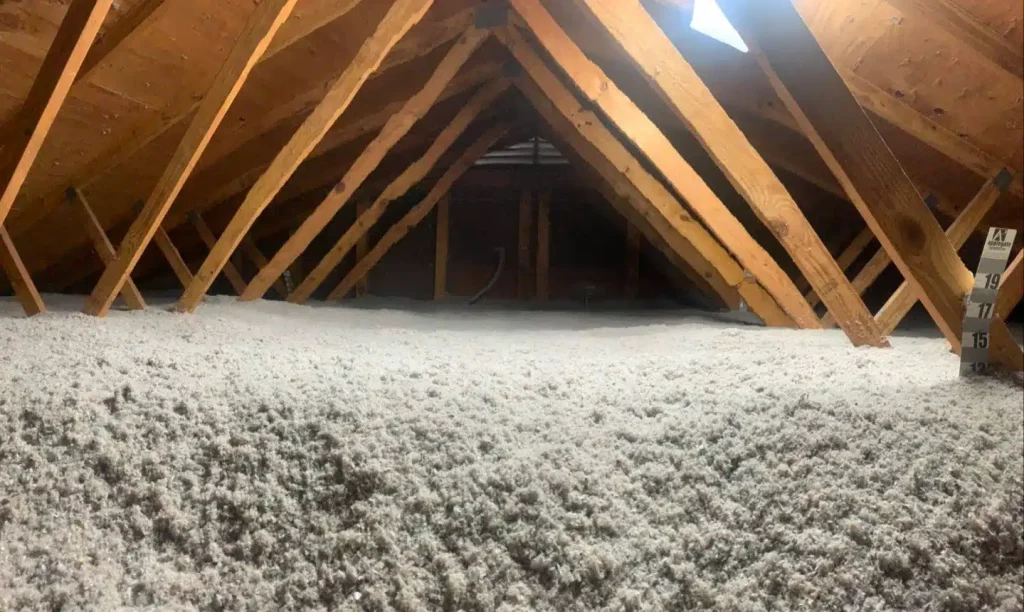
Actionable Strategies for Maximizing Efficiency
If you are looking for ways to improve your home’s thermal performance, consider these steps:
- Conduct a Visual Audit: Look for signs of “dirty” insulation in your attic. This usually indicates that air is filtering through the material, leaving dust deposits behind.
- Seal the Top Plate: Before or during insulation, our team ensures the area where the wall framing meets the attic is sealed. This is a major source of air leakage.
- Address the Attic Hatch: Often overlooked, the entrance to your attic should be insulated and weather-stripped to prevent it from acting like an open chimney.
- Evaluate Ventilation Needs: When switching to a sealed attic system, our team assesses whether your home needs a heat-recovery ventilator (HRV) to ensure fresh-air exchange without energy loss.
- Check Recessed Lighting: Older “can” lights are major heat leaks. Our team ensures these are properly handled or replaced with IC-rated fixtures that can be safely covered by foam.
Factors That Affect Performance in the Central Valley
Several variables influence how well your insulation performs over time. The age of the home is a primary factor, as older structures often have more complex framing that requires a more meticulous spray foam installation. Furthermore, the choice between open-cell and closed-cell foam depends on your specific goals.
Open-cell foam is excellent for sound dampening and is more cost-effective for large attic spaces. Closed-cell foam, however, provides a higher R-value and acts as a vapor barrier, which is beneficial if you have concerns about moisture or need extra structural reinforcement. The International Code Council provides guidelines on which types of foam are best suited for different climate zones, and our team uses these standards to guide our recommendations in Clovis.
Visual Comparison Suggestion
- Infrared Heat Map Comparison: A visual representation showing a home with traditional insulation (displaying significant red “heat leaks” at the roofline) versus a home with spray foam insulation (showing a consistent, cool blue/green profile).
- The Stack Effect Diagram: A simple illustration showing how warm air escapes through the roof in winter, pulling cold air in through the crawlspace, and how spray foam breaks this cycle.
Long-Term ROI and Home Value
Beyond the monthly savings, energy-efficient insulation is a significant selling point in the California real estate market. Potential buyers are increasingly aware of utility costs. A home that is already optimized with high-quality home comfort solutions stands out. Because spray foam does not settle or degrade like traditional batts, the investment continues to pay for itself for decades.
According to data from Statista, investments in energy efficiency are among the top priorities for modern homeowners looking to increase property value. When you choose a reputable attic insulation contractor, you are not just buying a product; you are investing in the structural integrity and future marketability of your property.
Optimize Your Home with Supreme Spray Foam Fresno
If you are tired of uncomfortable rooms and skyrocketing energy costs, it is time to upgrade to a more permanent solution. Our team specializes in helping Clovis residents realize the full benefits of attic spray foam insulation through precision application and expert consultation. Our team takes pride in delivering results that make your home more livable while putting money back in your pocket.
Request a quote | schedule an assessment
Company: Supreme Spray Foam Fresno Phone: (559) 545-0800 Email: [email protected]
Contact our team today to start your journey toward a more efficient and comfortable home.
How long does the installation process take?
Most residential attic projects in Clovis can be completed in one to two days, depending on the size of the space and the removal of old materials.
Will spray foam insulation make my house smell?
When applied correctly by our professionals, there is a brief curing period where a slight odor exists, but it dissipates completely within 24 to 48 hours.
Is spray foam safe for the environment?
Modern spray foam products use blowing agents with low global warming potential and contribute to a significant reduction in a home’s overall carbon footprint.
Can spray foam be applied over existing insulation?
For the best results and a true air seal, our team typically recommends removing old, dusty insulation before performing a new spray foam installation.
Does spray foam help with noise reduction?
Yes, open-cell spray foam is an excellent sound dampener that significantly reduces the amount of outdoor noise that enters your home through the roof.
Sources
- U.S. Department of Energy – Insulation
- ENERGY STAR – Sealing and Insulating
- International Code Council
- Statista – Home Improvement Trends

- How Can Homeowners Prepare a Crawl Space for Spray Foam Installation in Parkwood, CA? - October 15, 2026
- Why Does Crawl Space Access Matter When Installing Spray Foam Insulation? - October 15, 2026
- What Makes Crawl Space Spray Foam a Choice for Better Air Quality in Oakhurst, CA? - September 22, 2026