
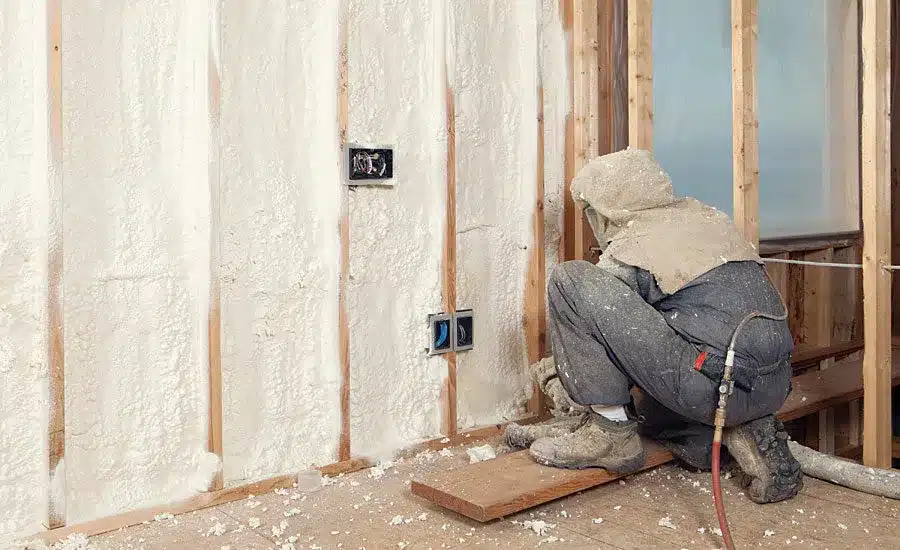
When evaluating a spray foam insulation comparison against traditional materials, spray foam consistently outperforms alternatives in thermal resistance, air sealing, and moisture control. While traditional options like fiberglass or cellulose rely solely on trapped air to slow heat transfer, spray foam expands to fill every crack and crevice, creating an airtight seal that those materials cannot match.
In terms of strategic positioning, fiberglass and cellulose are often chosen for their lower upfront costs and DIY-friendliness. However, they are prone to sagging, moisture absorption, and air leakage over time. Spray foam requires a higher initial investment and professional installation but provides a permanent home insulation system that significantly reduces monthly utility bills and prevents structural issues caused by condensation or pests.
TL;DR
- Efficiency: Spray foam provides the highest R-value per inch, often reaching R-6 to R-7 for closed-cell options, compared to R-2.2 for fiberglass batts.
- Air Sealing: Spray foam is the only material that functions as both insulation and an air barrier, eliminating the need for separate house wraps or caulking.
- Lifescap: Fiberglass and cellulose typically need replacement or “topping off” every 15 to 20 years, whereas spray foam is designed to last the life of the building.
- Cost vs. Value: Expect to pay 2 to 3 times more for spray foam upfront, but homeowners often see a 15% to 50% reduction in energy costs immediately.
- Best Use Cases: Use fiberglass for simple interior wall soundproofing, but choose spray foam for attics, crawlspaces, and exterior walls where energy loss is most prevalent.
Analyzing Insulation Performance
To understand why different thermal insulation solutions perform the way they do, we have to look at how they handle the three types of heat transfer: conduction, convection, and radiation. Traditional materials primarily address conduction. Because they are porous, they do little to stop convection, which is the movement of air.
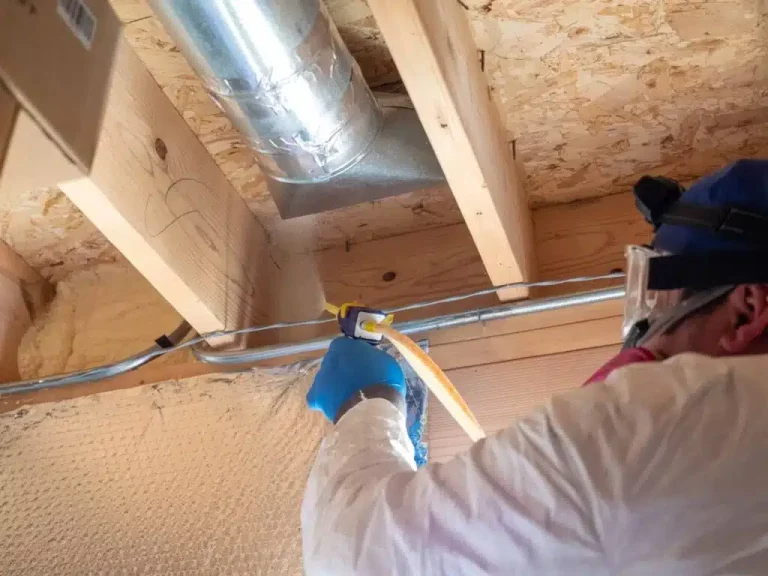
According to data from the U.S. Department of Energy, air leakage can account for up to 40% of a home’s heating and cooling costs. This is where the insulation performance of spray foam takes a massive lead. By expanding into gaps around wiring, plumbing, and framing, it stops the “chimney effect” that pulls conditioned air out of your home.
Fiberglass Insulation Comparison
Fiberglass remains the most common material in American homes. It is made of fine glass fibers and is available in batts or blown-in loose fill. While it is inexpensive, it has a significant flaw: it loses effective R-value when temperatures become extreme or if the material becomes damp. It also does not protect against air infiltration, meaning drafts will still move through your walls.
Cellulose Insulation Comparison
Cellulose is made from recycled paper treated with fire retardants. It is a more eco-friendly home insulation system than fiberglass and offers a slightly higher R-value. However, cellulose is highly absorbent. If a roof leak occurs, cellulose holds onto that water, leading to mold growth and a complete loss of insulating properties. This is one reason many homeowners choose spray foam insulation services for long-term performance.
Performance and Factor Analysis
The following table breaks down how these materials compare across the most critical metrics for Fresno homeowners.
| Factor | Spray Foam (Closed-Cell) | Fiberglass Batts | Blown-in Cellulose |
|---|---|---|---|
| R-Value Per Inch | 6.0 – 7.0 | 2.2 – 2.9 | 3.2 – 3.8 |
| Air Sealing | Excellent (Built-in) | Poor (Requires wrap) | Moderate |
| Moisture Resistance | High (Hydrophobic) | Low (Holds moisture) | Low (Absorbent) |
| Lifespan | 80+ Years | 15 – 25 Years | 20 – 30 Years |
| Installation Speed | Moderate (Professional) | Fast (DIY possible) | Fast (Professional) |
| Pest Resistance | High (No food value) | Low (Nesting material) | Moderate (Treated) |
Bar Chart Suggestion: A graph showing “Monthly Energy Savings Percentage” comparing a standard home with fiberglass versus the same home retrofitted with spray foam over a 12-month period. The Y-axis should show dollars saved, and the X-axis should show the months of the year, highlighting peak summer and winter months.
Factors That Influence Your Decision
Choosing the right energy-saving insulation isn’t just about the material; it is about the specific needs of your property.
- Climate Zone: In hot regions like Fresno, stopping the radiant heat from the sun is vital. Spray foam’s ability to create a conditioned attic space is a game-changer for cooling costs.
- Project Scope: For new construction, installing spray foam is seamless. For existing homes, “drill and fill” techniques or attic retrofits are the most common applications.
- Budget: If you are on a tight short-term budget, fiberglass might be the only option. However, if you are looking at the 10-year cost of ownership, spray foam is almost always cheaper due to energy savings.
- Building Airtightness: If your home is older and drafty, adding more fiberglass won’t help as much as an air-sealing material like spray foam.
Real-World Scenarios
We see different challenges depending on the structure. Here is how we typically recommend thermal insulation solutions for various projects.
| Scenario | Property Type | Recommended Option | Why? |
|---|---|---|---|
| Hot Attic Conversion | 1970s Residential | Closed-Cell Spray Foam | Stops radiant heat and creates a usable storage space. |
| New Office Build | Commercial Warehouse | Open-Cell Spray Foam | Excellent sound dampening and cost-effective for large spans. |
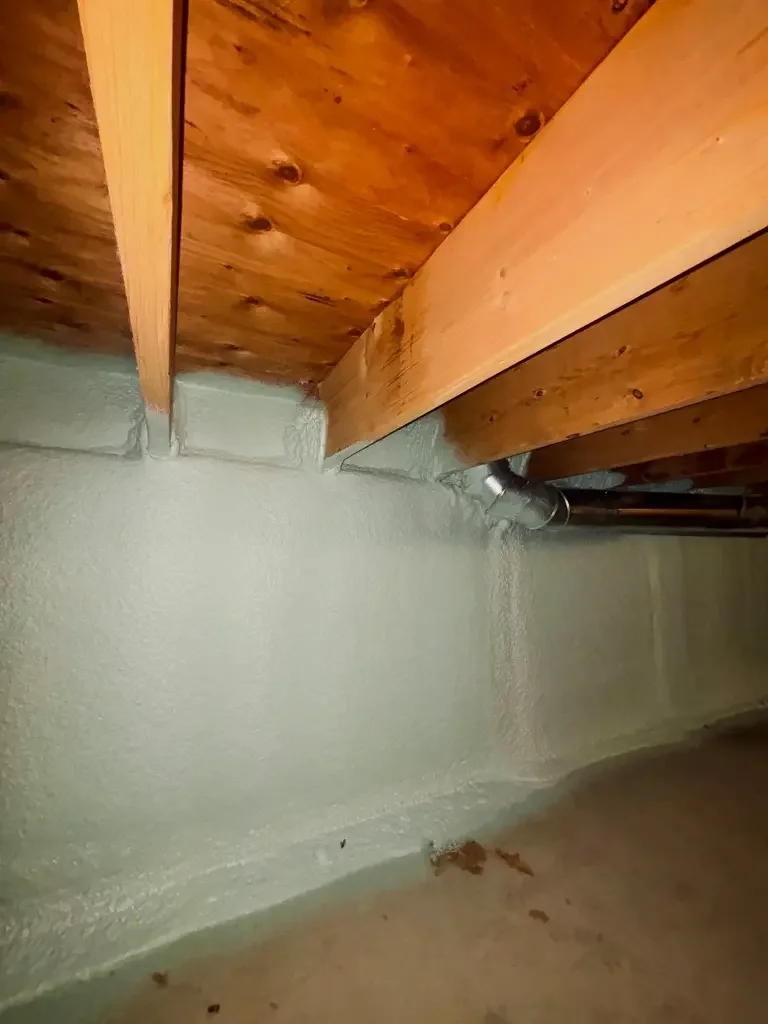
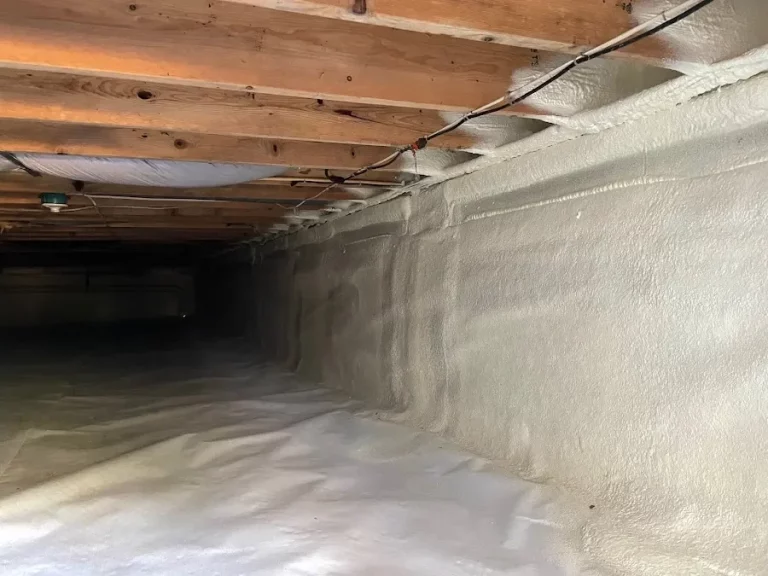
| Crawlspace Moisture | Central Valley Home | Closed-Cell Spray Foam | Acts as a vapor barrier to prevent wood rot and mold. |
| Interior Partition | Residential Remodel | Fiberglass Batts | Lowest cost for simple sound deadening between bedrooms. |
Who This Is For
- Homeowners planning to stay in their property for 5+ years.
- Business owners looking to slash high overhead cooling costs.
- Property owners dealing with persistent allergies or dust issues.
- Those building new homes who want the highest possible structural integrity.
Who This Is NOT For
- Short-term flippers looking for the absolute cheapest material.
- DIY enthusiasts who want to install the insulation themselves without specialized equipment.
- Buildings with existing major structural damage that must be repaired before any insulation can be applied.
The Impact of Modern Insulation on Property Value
A study cited by the Appraisal Institute suggests that energy-efficient improvements can significantly increase a home’s resale value. Potential buyers are increasingly savvy about “hidden” costs like utility bills. When you can show a history of low energy consumption thanks to high-performance spray foam insulation comparison data, your property becomes more attractive than a drafty neighbor’s house.
Furthermore, the Spray Polyurethane Foam Alliance (SPFA) highlights that closed-cell foam actually adds structural strength to a building. It bonds to the studs and the roof sheathing, acting like a glue that makes the structure more resistant to high winds. This is a benefit that fiberglass and cellulose simply cannot provide.
Line Graph Suggestion: A 30-year “Total Cost of Ownership” graph. One line shows the low initial cost of fiberglass with a steep upward slope representing rising energy prices and replacement costs. The other line shows the higher initial cost of spray foam with a much flatter slope, eventually crossing the fiberglass line around year 7 or 8.
Choose Supreme Spray Foam – Fresno for Your Insulation Needs
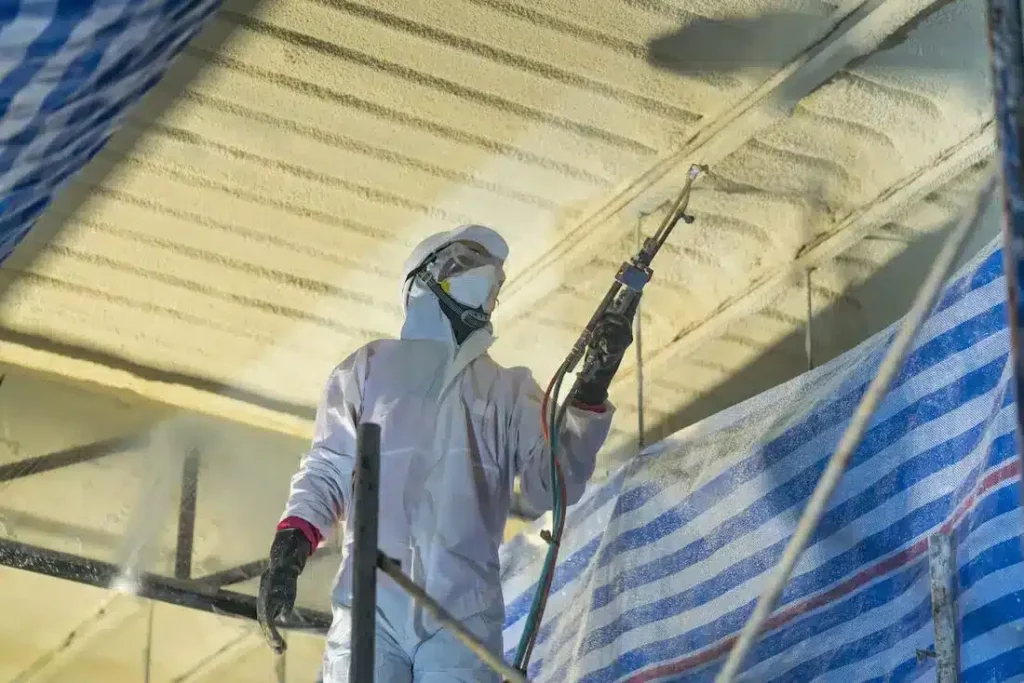
Deciding on the best insulation for your property is a significant investment in your comfort and financial future. Our team at Supreme Spray Foam – Fresno provides expert guidance and precision installation to ensure your building remains energy-efficient for decades. We specialize in identifying the specific thermal weak points in your home and applying the right thermal insulation solutions to fix them permanently.
Contact our team today to learn how we can help you save.
Email: [email protected] Phone: (559) 545-0800
Reach out to us for a professional assessment and see the difference quality insulation makes.
FAQs
Is spray foam worth the extra cost?
It generally pays for itself within 5 to 7 years through significantly lower monthly energy bills and reduced strain on your HVAC system.
Does spray foam insulation provide soundproofing?
Yes, open-cell spray foam is an excellent sound dampener, effectively reducing noise transfer between rooms or from the outside.
Can spray foam be installed in an existing home?
Our team can apply spray foam to existing attics and crawlspaces, or use specialized techniques for wall cavities during renovations.
Does spray foam insulation attract pests?
Unlike cellulose or fiberglass, spray foam has no food value for insects or rodents and creates a hard barrier that prevents entry.
How long does the installation process take?
Most residential projects, such as an attic or crawlspace, are completed by our team in just one to two days.

- How Can Homeowners Prepare a Crawl Space for Spray Foam Installation in Parkwood, CA? - October 15, 2026
- Why Does Crawl Space Access Matter When Installing Spray Foam Insulation? - October 15, 2026
- What Makes Crawl Space Spray Foam a Choice for Better Air Quality in Oakhurst, CA? - September 22, 2026