
Spray foam insulation is often promoted as a top-tier solution for sealing homes and lowering energy bills—and in many cases, it lives up to the hype. But like any product, it’s not without its drawbacks. If you’re a homeowner or contractor in the Fresno area, it’s important to weigh both the pros and the cons before committing to spray foam.
This article outlines the real-world challenges people often face with spray foam insulation so you can make a decision that suits your property, your goals, and your budget.
1. It’s More Expensive Than Other Options
The first thing most homeowners notice? The price. Spray foam costs quite a bit more than fiberglass or cellulose insulation. That’s because it takes special equipment and trained professionals to install it properly.
Typical Cost Breakdown:
- Fiberglass: $0.40 – $1.50 per sq. ft.
- Cellulose: $0.50 – $2.00 per sq. ft.
- Spray Foam: $1.50 – $5.00 per sq. ft.
While you might save on your utility bills in the long run, the upfront cost can be a major sticking point for many Fresno families and small business owners.
2. Chemical Exposure Can Be a Concern
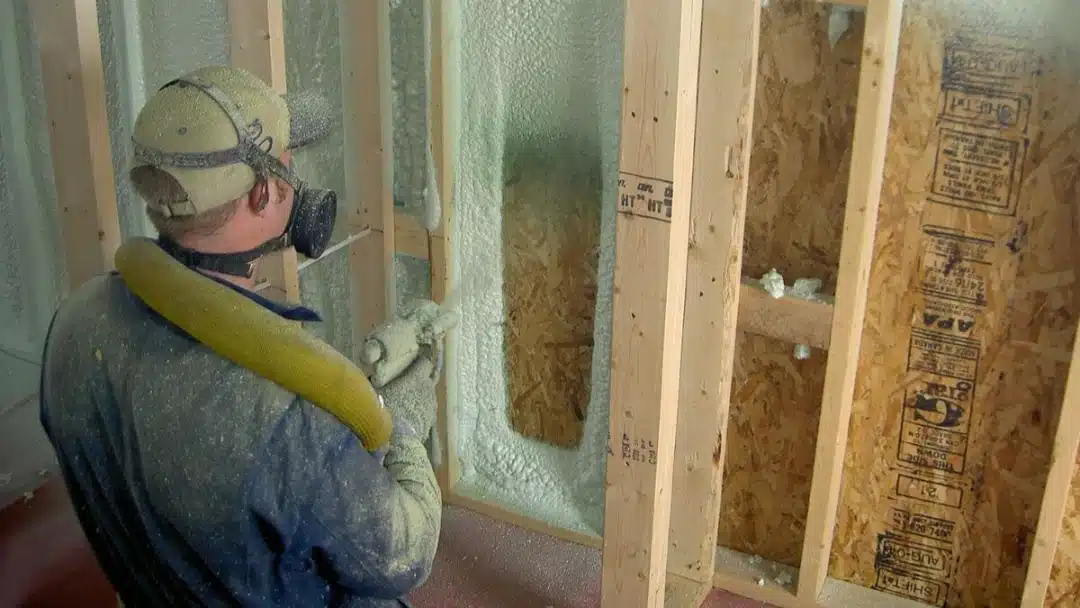
Spray foam is made from chemicals that release fumes (known as VOCs) during installation. If you’re around while the foam is being sprayed, or shortly after, it can cause issues like:
- Headaches
- Dizziness
- Skin or throat irritation
- Trouble breathing
Pro tip: Most experts recommend staying out of the home for at least 24 to 72 hours after application to let the foam cure fully and the fumes dissipate.
3. Definitely Not a DIY Job
This isn’t your typical weekend project. Spray foam insulation requires careful mixing and needs to be applied at just the right temperature. If it’s done wrong, it could expand too much, crack, or not stick to the surface at all.
Some things that can go wrong:
- Gaps in coverage
- Foam pushing against walls and distorting them
- Poor adhesion on cold or damp surfaces
Hiring a skilled insulation contractor—especially one familiar with Fresno’s climate—is crucial to avoiding costly mistakes.
4. That “Chemical Smell” Can Linger
Even when installed correctly, some homeowners say they notice a smell that sticks around for weeks or longer. In many cases, it comes down to how well the foam was mixed and applied.
If the weather is too humid or the material isn’t prepped properly, odors can become a long-term annoyance.
5. It’s Not the Most Eco-Friendly Option
While spray foam does help cut down on heating and cooling costs, it’s not exactly green in how it’s made or what happens to it when you’re done with it.
Environmental drawbacks include:
- It’s made with petroleum-based chemicals
- Most types aren’t biodegradable
- Very difficult to recycle once cured
- Some still use blowing agents that harm the atmosphere
If you’re someone who tries to make earth-conscious choices for your home, there are more sustainable insulation materials to consider.
6. Moisture Issues Are a Real Risk
A big benefit of spray foam is that it seals up your home tightly. But that same feature can backfire if there’s moisture in the walls or roof before it’s applied.
Here’s what can happen:
- Moisture gets trapped behind the foam
- Mold or rot starts forming in hidden areas
- Leaks go unnoticed because the foam hides them
That’s why it’s so important to inspect your attic, crawlspace, or wall cavities for damp spots before moving forward with installation.
7. Older Homes Might Not Be the Best Fit
Many older homes in Fresno were built without modern ventilation systems. If you apply spray foam in these homes without addressing airflow, you could accidentally create a “sealed box” that holds in humidity and reduces air quality.
If your home was built before the 1980s, talk to an insulation expert about ventilation upgrades before choosing spray foam.
8. Fire Safety Requirements Add Time and Cost
Spray foam isn’t fireproof. It’s considered combustible, and while many versions include fire retardants, building codes typically require an additional fire barrier (like drywall) to cover it. That’s an extra layer of labor and cost to factor into your project.
9. It’s Tough to Remove Once Installed
Unlike batt or blown-in insulation, spray foam becomes rock-hard after it cures. If it’s applied incorrectly—or you need to replace a section later—it often has to be cut or scraped out. This can damage drywall, wood framing, or even your roof deck in the process.
Final Thoughts: Is Spray Foam Right for Your Fresno Property?
There’s no denying that spray foam insulation performs well when it comes to energy efficiency. But that performance comes with trade-offs—higher costs, possible health risks, and tricky installation being just a few. That doesn’t mean it’s a bad product—it just means it’s not for everyone.
If you’re not sure whether spray foam is right for your home or building, your best move is to speak with a local professional who understands both the product and the specific needs of Fresno homes.
Speak with a Local Insulation Expert
At Supreme Spray Foam – Fresno, we’re here to give you honest answers—not just a sales pitch. We’ll walk you through the pros and cons, explain your options, and help you find an insulation solution that makes sense for your space and budget.
📞 Give us a call or request a free consultation today.
Frequently Asked Questions
Is spray foam safe once it’s dry?
Yes, once it has fully cured, spray foam is generally considered safe. The key is to give it enough time to off-gas and air out.
Why does spray foam sometimes smell?
It’s usually due to incomplete curing or poor installation conditions. A properly installed job should only have a mild smell that fades quickly.
Can spray foam cause mold?
Yes—if it’s applied to a damp surface. Any trapped moisture can lead to mold or rot over time.
Is it fire-resistant?
Spray foam is flammable and requires a fire-rated covering like drywall to meet code.
Can I remove it later if needed?
Yes, but it’s not easy. Removing spray foam usually involves cutting it out, which may damage the surrounding area.
What are the best alternatives?
Fiberglass, cellulose, and mineral wool are great alternatives—each with its own set of benefits and drawbacks.