
Open-cell spray foam insulation provides an effective solution for homeowners in Chowchilla, CA, struggling with uneven temperatures throughout their homes. By creating a continuous air seal in attics and wall cavities, open-cell spray foam addresses the root causes of hot and cold spots, reduces HVAC workload, and delivers measurable energy savings in California’s hot-dry climate. This insulation approach fills gaps, stops air leakage, and establishes consistent indoor comfort across every room.
TL;DR
- Open-cell spray foam achieves an R-value of approximately R-3.8 per inch and becomes an effective air barrier at a thickness of 3.75 inches
- Chowchilla falls within California Climate Zone 13, requiring R-49 or higher attic insulation per current energy codes, ENERGY STAR – Recommended Home Insulation R-Values
- Open cell spray foam costs 40 to 50 percent less per R-value compared to closed cell alternatives. R-Value Associates – Open Cell vs. Closed Cell Spray Foam
- The typical payback period for spray foam insulation in the Central Valley ranges from 3 to 7 years
- Proper air sealing eliminates drafts and cold spots that cause temperature inconsistency between rooms
- Open-cell foam allows moisture vapor to diffuse through its structure, reducing condensation risks in hot-dry climates
Understanding Why Uneven Temperatures Occur
Temperature imbalances in homes stem from several interconnected problems that traditional insulation materials fail to address adequately. Air leakage through cracks, gaps, and penetrations in the building envelope creates drafts and pressure differentials that push conditioned air out while pulling unconditioned outdoor air inside. This phenomenon forces HVAC systems to work harder while still failing to maintain consistent temperatures across different rooms and floors. Department of Energy – Air Sealing Your Home
Thermal bridging occurs when building materials like wood studs create direct pathways for heat transfer, bypassing insulation and creating localized hot or cold spots. In typical wood-framed walls, studs conduct heat at rates far exceeding the surrounding insulation, resulting in uneven surface temperatures on interior walls and ceilings.
Insufficient insulation depth compounds these problems by allowing excessive heat gain during Chowchilla’s scorching summers and heat loss during cooler nights. Many existing homes in the area were built with fiberglass batts that settle over time, leaving gaps and compressed areas that dramatically reduce thermal performance.
Ductwork located in unconditioned attics experiences significant temperature swings, conditioning air before it reaches living spaces. Leaky duct systems lose substantial amounts of conditioned air to attics and crawl spaces, creating temperature imbalances as some rooms receive adequate airflow while others starve.
How Open Cell Spray Foam Resolves Temperature Imbalances
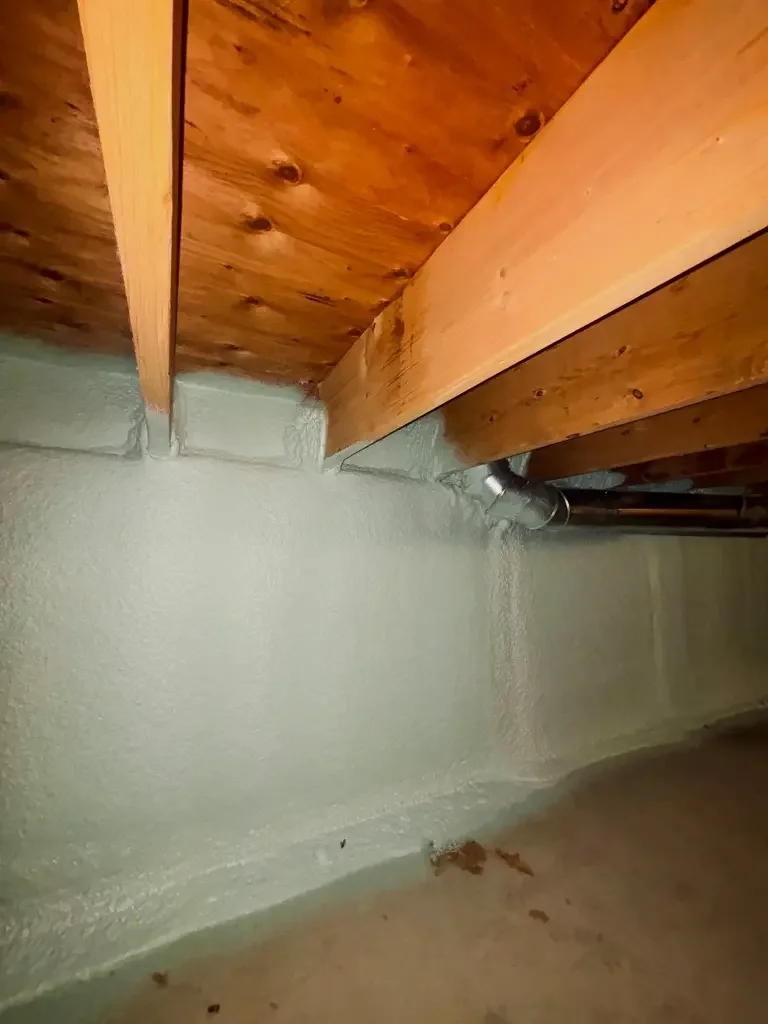
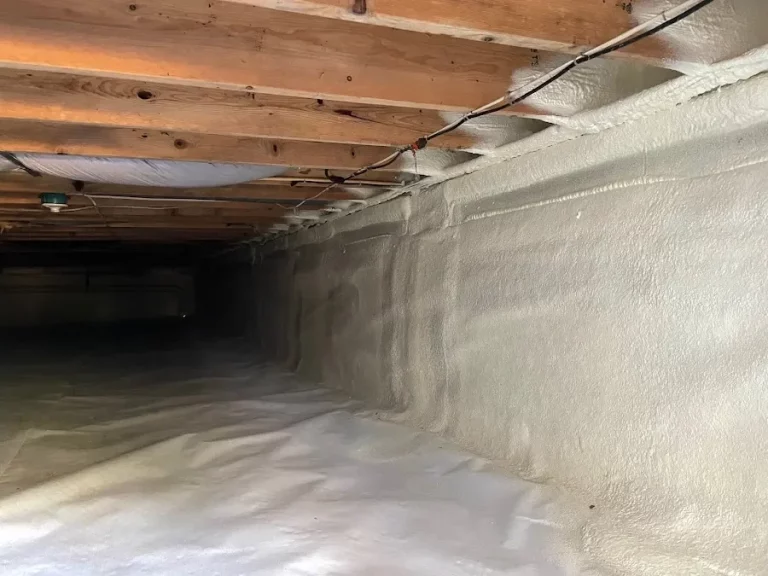
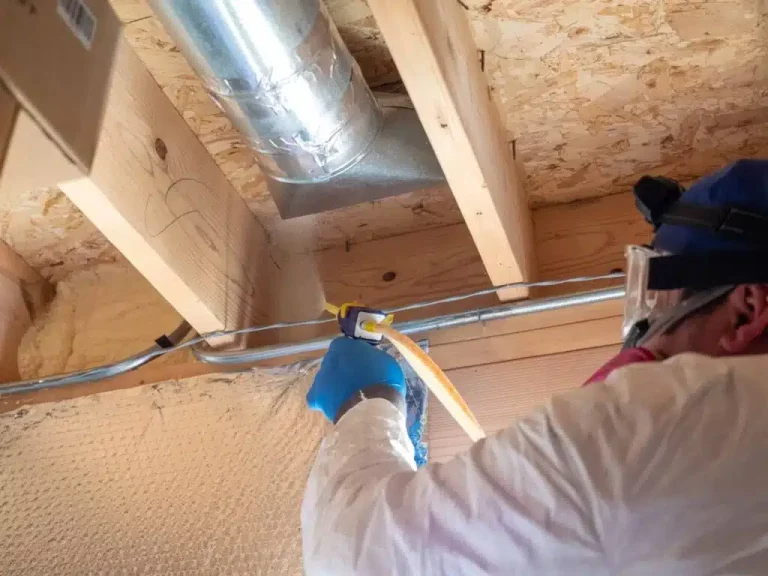
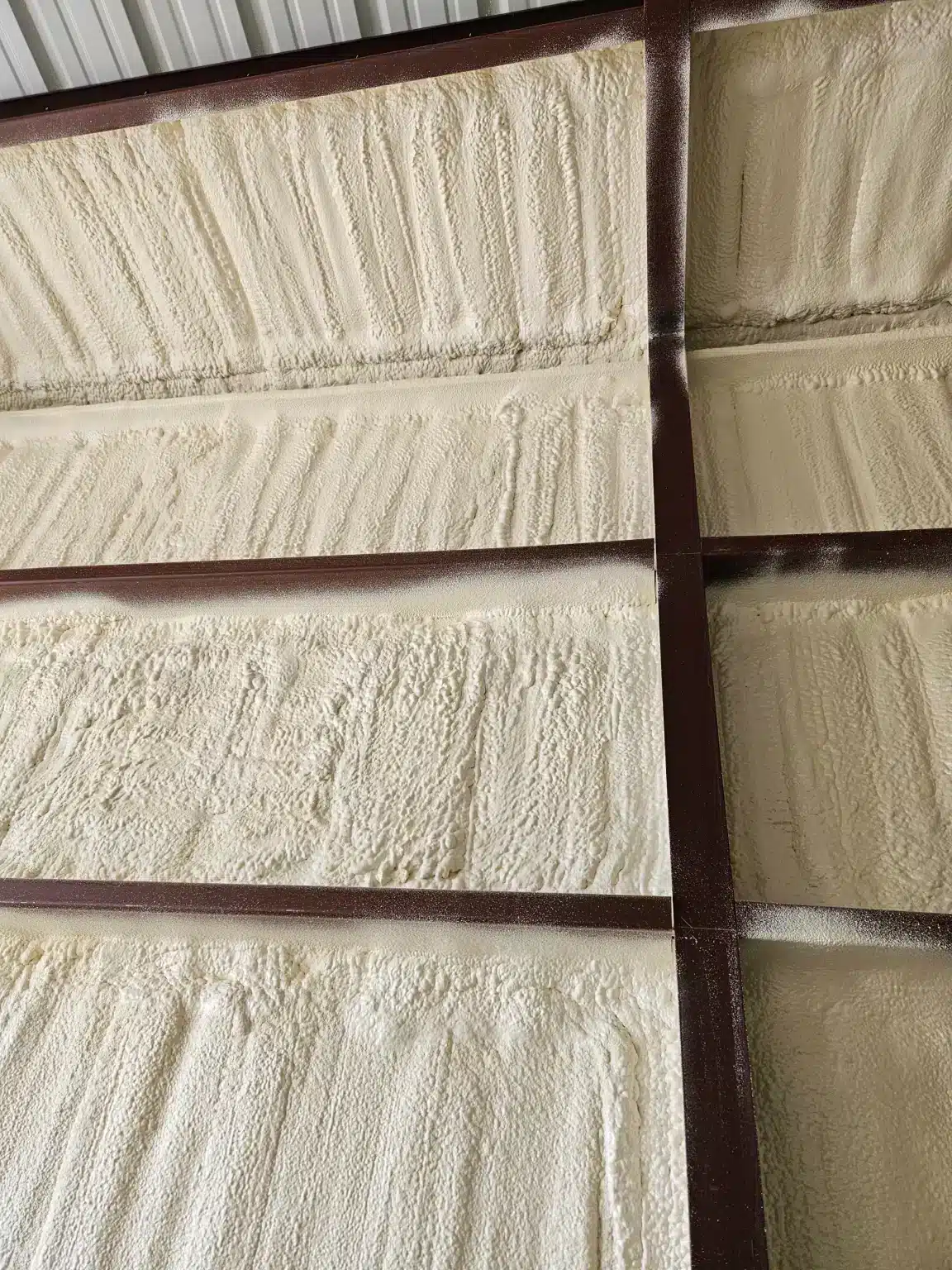
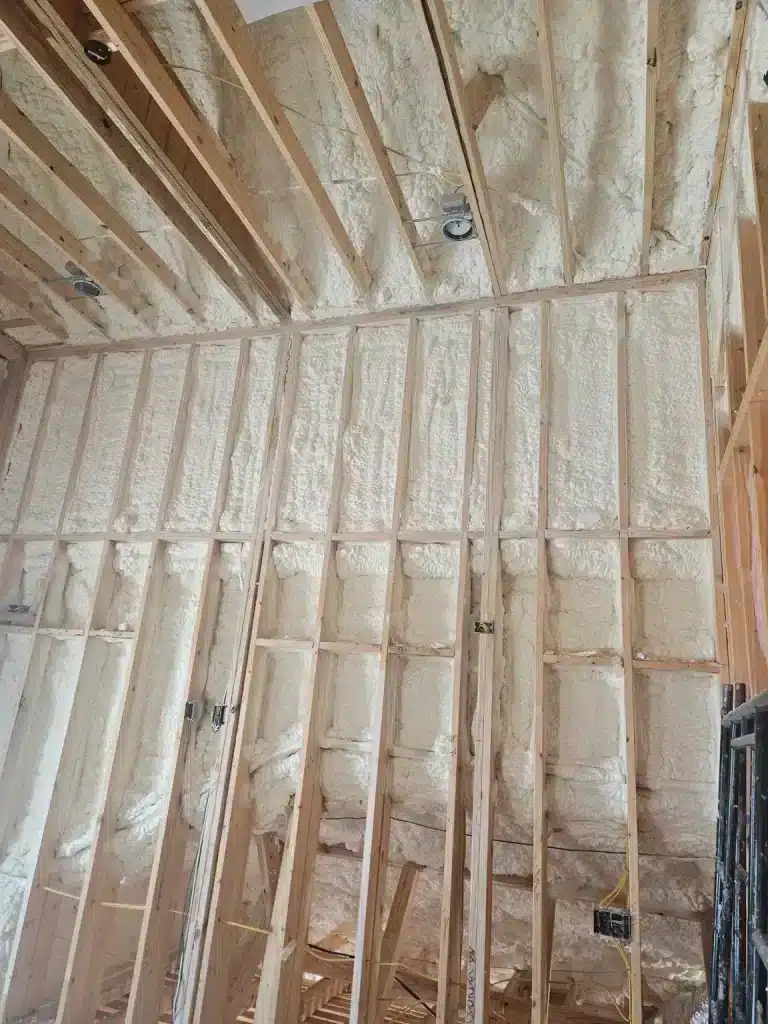
Open-cell spray foam expands rapidly upon application, filling every gap, crack, and cavity within wall assemblies and attics. This expansion creates a continuous thermal and air barrier that eliminates the pathways through which conditioned air escapes and unconditioned air enters. Unlike fiberglass batts that leave gaps around wires, pipes, and irregular framing, spray foam conforms precisely to all surfaces and obstacles.
The material achieves air barrier status at approximately 3.75 inches of thickness, meaning a standard 4-inch wall cavity in a 2×4 wall receives complete air sealing when filled. This air barrier function directly addresses the primary cause of uneven temperatures by preventing the air leakage that creates drafts and temperature stratification.
Open-cell spray foam also reduces thermal bridging by coating stud surfaces and creating a continuous insulation layer that extends across framing members. While studs still conduct some heat, the spray foam dramatically reduces the surface area of exposed framing and eliminates air movement around framing components.
For attic applications, open-cell spray foam applied to the underside of the roof deck creates a conditioned attic space that maintains temperatures far closer to interior conditions. This approach eliminates the extreme attic temperatures that overwhelm HVAC systems and cause second-floor discomfort during the summer months.
Performance Comparison: Open Cell Spray Foam vs Other Insulation Types
| Insulation Type | R-Value per Inch | Air Barrier | Moisture Behavior | Sound Transmission | Cost per R-Value |
|---|---|---|---|---|---|
| Open Cell Spray Foam | R-3.8 | Yes (at 3.75″) | Vapor permeable | Excellent (NRC 0.70-0.75) | Lowest |
| Closed Cell Spray Foam | R-7.0 | Yes (at 1″) | Vapor retarder | Moderate | Highest |
| Fiberglass Batt | R-3.1 | No | Vapor permeable | Poor | Low |
| Cellulose | R-3.2-3.7 | No | Vapor permeable | Good | Moderate |
| Mineral Wool | R-3.0-3.3 | No | Vapor permeable | Good | Moderate |
Open-cell spray foam provides superior air sealing compared to all other common insulation materials, which do not create effective air barriers on their own. Johns Manville – Spray Foam: Open-Cell vs. Closed-Cell The material’s vapor-permeable nature makes it particularly well-suited for Chowchilla’s hot-dry climate, where moisture drive is primarily from outside to inside during the summer months. This permeability allows any incidental moisture to dry inward, preventing accumulation that could lead to mold or structural damage.
Why Open Cell Spray Foam Suits Chowchilla’s Climate
Chowchilla’s location in California Climate Zone 13 features hot, dry summers with temperatures regularly exceeding 100 degrees Fahrenheit and mild winters with occasional freezing nights. This climate pattern creates specific performance demands that open-cell spray foam meets effectively.
During summer months, the temperature differential between outdoor and indoor spaces typically ranges from 30 to 40 degrees Fahrenheit. Open-cell spray foam adequately resists this heat transfer while providing the air sealing necessary to prevent hot, dusty outdoor air from infiltrating living spaces. The material’s thermal performance at these temperature differentials proves sufficient for maintaining comfort without the higher costs associated with closed-cell foam.
The vapor-permeable characteristics of open-cell spray foam align well with the climate’s moisture dynamics. In hot-dry climates, vapor drive moves from the hot, humid exterior toward cooler interior spaces during air conditioning season. Open-cell foam allows this moisture to continue its path and dry to the interior, preventing moisture accumulation within wall assemblies that could compromise performance or durability.
Closed-cell spray foam, while offering higher R-values per inch, creates a vapor retarder that can trap moisture in wall assemblies in climates where significant vapor drive occurs from interior to exterior during winter months. For Chowchilla’s climate open-cell foam provides appropriate performance without the moisture management complications associated with vapor retarders.
Real-World Results: Central Valley Homeowner Scenarios
| Scenario | Home Type | Initial Problem | Solution | Outcome |
|---|---|---|---|---|
| Madera Ranchos | 1,800 sq ft, 1980s tract home | Upstairs bedrooms 8-10 degrees warmer than downstairs | Open cell spray foam in the attic floor and the roof deck | Temperature differential reduced to 2 degrees; HVAC runtime decreased 35% |
| Merced | 2,200 sq ft, single-story | Drafty master bedroom with cold floors | Open cell in exterior walls and floor joists | Eliminated drafts; floor temperature increased 12 degrees |
| Fresno | 1,400 sq ft, 1970s home with vaulted ceilings | Vaulted ceiling rooms extremely hot in summer | Open the cell spray foam in the roof cavity | Ceiling surface temperature reduced 15 degrees; cooling costs down $85/month |
| Chowchilla | 1,600 sq ft, farmhouse | Whole-house temperature inconsistency | Open the cell in the attic, walls, and rim joist | Consistent 72-degree temperature throughout the home; 42% reduction in energy bills |
These scenarios demonstrate the tangible improvements possible when open-cell spray foam addresses the underlying causes of temperature imbalance. The key factor across all successful projects was achieving complete air sealing, which eliminated the drafts, pressure imbalances, and heat transfer that caused discomfort.
Critical Factors Affecting Open Cell Spray Foam Performance
Several variables determine how effectively open-cell spray foam resolves temperature consistency issues in Chowchilla homes. Understanding these factors helps homeowners and contractors optimize results for each unique situation.
- Installation thickness directly impacts both thermal performance and air barrier effectiveness. Achieving the minimum 3.75-inch thickness required for air barrier status demands careful measurement and quality control during application. Incomplete coverage or settling after application can create gaps that compromise performance.
- Substrate preparation ensures proper adhesion and complete filling of cavities. Surfaces must be clean, dry, and free of oils, dust, or debris that could inhibit bonding. Temperature and humidity conditions during application also influence expansion, curing, and final density.
- Complete envelope sealing requires addressing all connection points between building components. Rim joists, header spaces, and intersections between walls and floors often contain gaps that allow significant air leakage. Open-cell spray foam excels at sealing these details when applied comprehensively.
- Existing insulation removal may be necessary when old materials contain moisture, mold, or insufficient coverage. Installing spray foam over compromised existing insulation traps problems and reduces the effectiveness of the new air barrier.
- HVAC compatibility should be evaluated before spray foam installation. Sealing a home so effectively can alter airflow dynamics and pressure relationships, potentially affecting combustion appliance venting. A qualified HVAC professional should assess whether existing systems remain appropriate for a tighter building envelope.
Actionable Steps for Homeowners
Addressing uneven temperatures with open-cell spray foam requires a systematic approach that begins with assessment and concludes with verification.
First, conduct a room-by-room temperature survey using accurate thermometers placed at consistent heights in each primary living space. Record morning, afternoon, and evening readings to identify patterns and the most problematic areas. This baseline documents the severity of temperature imbalances before intervention.
Second, schedule a professional energy assessment that includes blower door testing to quantify air leakage and identify the largest leakage sites. This diagnostic information guides the targeting of spray foam application to areas providing the greatest return.
Third, obtain detailed proposals from qualified spray foam contractors that specify open-cell product type, application areas, thickness, and coverage. Proposals should address any preparatory work, like insulation removal or air sealing of large gaps.
Fourth, verify that contractors hold relevant certifications and carry appropriate insurance coverage. Professional application requires trained installers using properly maintained equipment to achieve consistent results.
Fifth, plan for HVAC assessment concurrent with or following spray foam installation. A tighter building envelope may require HVAC adjustments or the installation of mechanical ventilation to maintain indoor air quality.
Sixth, obtain post-installation verification through thermal imaging or additional blower door testing to confirm complete air sealing and identify any areas requiring touch-up application.
Energy Savings and Return on Investment
Homeowners in the California Central Valley who install open-cell spray foam typically achieve annual energy savings ranging from $500 to $900, depending on home size, pre-existing insulation levels, and energy consumption patterns. These savings result from reduced HVAC runtime, lower peak demand charges, and improved temperature consistency that eliminates the need for supplemental heating or cooling.
The typical payback period for open-cell spray foam installation ranges from 3 to 7 years in the Central Valley region. This calculation accounts for installation costs that typically range from $1.50 to $3.00 per board foot for open cell material, compared to $3.00 to $6.00 per board foot for closed cell alternatives. Open-cell foam’s lower material cost, combined with its suitability for Chowchilla’s climate, produces attractive returns on investment.
Beyond energy cost savings, spray foam insulation provides non-energy benefits, including improved comfort, reduced drafts, better sound isolation, and enhanced resale value. Homes with modern spray foam insulation command premium prices in the Central Valley market, reflecting buyer recognition of the comfort and efficiency advantages.
Factors Unique to Chowchilla Applications
Chowchilla’s agricultural setting influences spray foam applications in several ways. Rural homes often feature larger attic volumes, more complex rooflines, and multiple utility penetrations requiring sealing. Our professionals have experience addressing these characteristic features of Central Valley residential construction.
The area’s extreme summer heat creates application timing considerations. Spray foam chemical reactions require controlled temperature ranges, typically between 70 and 85 degrees Fahrenheit for both substrate and ambient conditions. Application scheduling during early morning hours or in climate-controlled spaces ensures proper curing and optimal final performance.
Groundwater conditions in parts of Madera County can influence crawl space and foundation insulation strategies. Our team evaluates site-specific conditions to recommend appropriate open-cell applications for below-grade areas where applicable and effective.
Local building codes based on California Title 24 energy standards establish minimum insulation requirements for new construction and substantial renovations. These requirements vary by component and climate zone, with Chowchilla typically requiring R-49 or higher attic insulation and specific wall insulation levels. California Energy Commission – Climate Zone Tool and Maps. Our installations exceed these minimums to deliver meaningful comfort and efficiency improvements.
Professional Installation Makes the Difference
Achieving the air sealing performance that resolves uneven temperatures demands professional installation using calibrated equipment and quality materials. Our team at Supreme Spray Foam Fresno brings specialized training and extensive Central Valley experience to every project, understanding the specific challenges posed by local construction practices and climate conditions.
Proper installation begins with a comprehensive assessment of your home’s current insulation, air leakage sites, and thermal performance. We identify the root causes of temperature imbalances and develop targeted solutions that address your specific comfort concerns. Our proposals detail exactly where spray foam will be applied, what thickness will be achieved, and what temperature improvements you can expect.
Quality control during application ensures complete coverage and proper thickness throughout. Our installers monitor the application in real-time and verify results through post-installation inspection and thermal imaging. We stand behind our work with warranties that protect your investment.
Schedule Your Home Comfort Assessment
Uneven temperatures in your Chowchilla home indicate air leakage and insulation deficiencies that professional spray foam installation can resolve. Our team at Supreme Spray Foam Fresno provides comprehensive evaluations and expert installation services tailored to Central Valley climate conditions. We understand how open-cell spray foam addresses the specific causes of temperature inconsistency in our region and delivers measurable improvements in comfort and efficiency.
Contact us today to request a quote for your home comfort improvement project. Our specialists will assess your current conditions, identify the sources of temperature imbalance, and provide a detailed proposal for open-cell spray foam application. We also offer consultation services for homeowners who want to explore insulation options before committing to installation.
Reach Supreme Spray Foam Fresno by phone at (559) 545-0800 or email at [email protected] to schedule your assessment. Experience the difference that proper air sealing makes in achieving consistent, comfortable temperatures throughout your home.
Frequently Asked Questions
How thick does open-cell spray foam need to be for effective air sealing?
Open-cell spray foam achieves air barrier status at approximately 3.75 inches in thickness. For most wall cavities using 2×4 framing (3.5 inches actual depth), filling the cavity completely provides adequate thickness for effective air sealing.
Will open-cell spray foam prevent moisture problems in Chowchilla’s climate?
Open-cell spray foam is vapor-permeable, allowing moisture to diffuse through the material. In Chowchilla’s hot-dry climate, this characteristic is beneficial because it allows any incidental moisture to dry toward the interior rather than accumulating within wall assemblies.
How much money can open-cell spray foam save on energy bills?
Homeowners in the Central Valley typically save between $500 and $900 annually after open-cell spray foam installation. Actual savings depend on home size, pre-existing conditions, energy rates, and usage patterns. Most projects pay for themselves within 3 to 7 years.
Does open-cell spray foam work in both attics and walls?
Yes, open-cell spray foam performs effectively in both attic and wall applications. In attics, it can be applied to the underside of roof decks or floor joists. In walls, it fills cavities completely and provides both thermal resistance and air sealing.
What preparation is required before spray foam installation?
Preparation typically includes removing old insulation from areas receiving spray foam, cleaning surfaces to ensure proper adhesion, protecting areas not being insulated, and ensuring substrate temperatures are within acceptable ranges (typically above 60 degrees Fahrenheit).
Sources
- Johns Manville – Spray Foam: Open-Cell vs. Closed-Cell – Technical comparison of open cell and closed cell spray foam properties, R-values, densities, and performance characteristics for residential applications.
- ENERGY STAR – Recommended Home Insulation R-Values – Government recommendations for insulation levels by climate zone, including attic, floor, and wall R-value requirements for existing homes.
- Department of Energy – Air Sealing Your Home – Comprehensive guidance on air leakage causes, detection methods, sealing techniques, and the relationship between air sealing and insulation performance.
- R-Value Associates – Open Cell vs. Closed Cell Spray Foam – Cost comparison analysis showing open cell foam costs 40-50% less per R-value than closed cell, with information on vapor drive and sound attenuation properties.
- California Energy Commission – Climate Zone Tool and Maps – Official California climate zone designations and energy code requirements for building insulation in different regions of the state.

- How Can Homeowners Prepare a Crawl Space for Spray Foam Installation in Parkwood, CA? - October 15, 2026
- Why Does Crawl Space Access Matter When Installing Spray Foam Insulation? - October 15, 2026
- What Makes Crawl Space Spray Foam a Choice for Better Air Quality in Oakhurst, CA? - September 22, 2026