
Open-cell spray foam insulation improves indoor comfort by creating a high-performance air barrier that stops drafts and stabilizes internal temperatures. Unlike traditional materials that only slow down heat transfer, this material expands significantly upon application to fill every crack, gap, and crevice in the building envelope. This level of air sealing solutions helps maintain a consistent climate across different rooms while reducing the workload on your HVAC system. Choosing the right insulation strategy depends on your specific local climate in Fresno, the structural design of your home, and your long-term goals for moisture management and sound dampening.
TL;DR
- Superior Air Sealing: The expansion properties of open-cell foam allow it to seal tiny voids where air leaks occur, outperforming fiberglass and cellulose in airtightness.
- Enhanced Sound Control: Its soft, flexible structure absorbs mid- and high-frequency sound waves, making it ideal for media rooms and multi-story homes.
- Cost-Effective Efficiency: While it has a lower R-value per inch than closed-cell options, it is more affordable and provides excellent thermal performance for interior walls and attics.
- Vapor Permeability: This material allows moisture to dry out rather than trapping it, which can prevent wood rot in specific roofing applications.
- Rapid Installation: Professional spray foam installation can often be completed in a fraction of the time required for manual batting, providing immediate comfort improvements.
- Allergy Reduction: By sealing the building envelope, you significantly reduce the infiltration of outdoor pollutants, dust, and allergens.
Understanding the Mechanics of Open Cell Foam
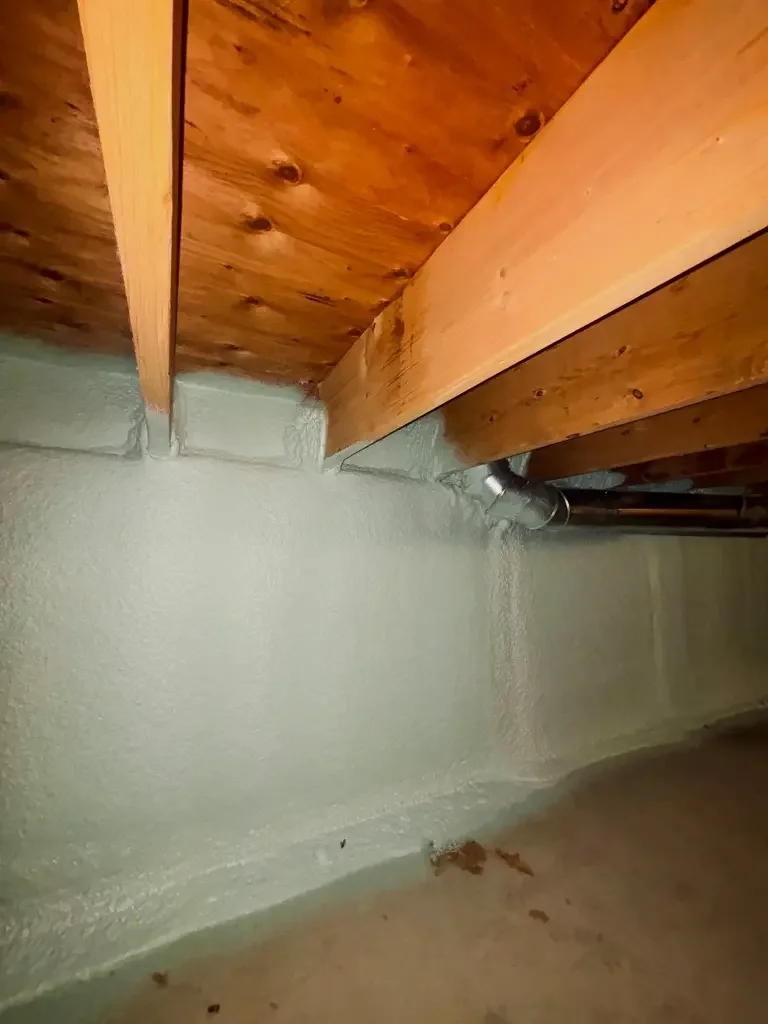
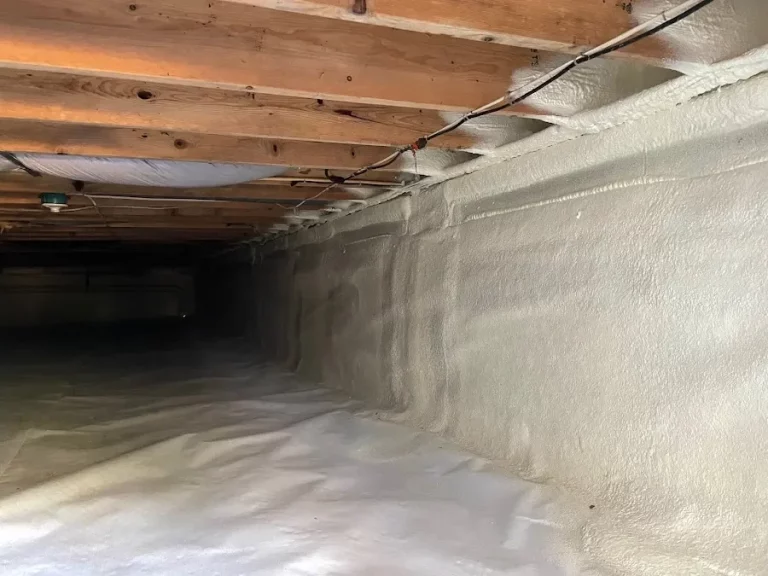
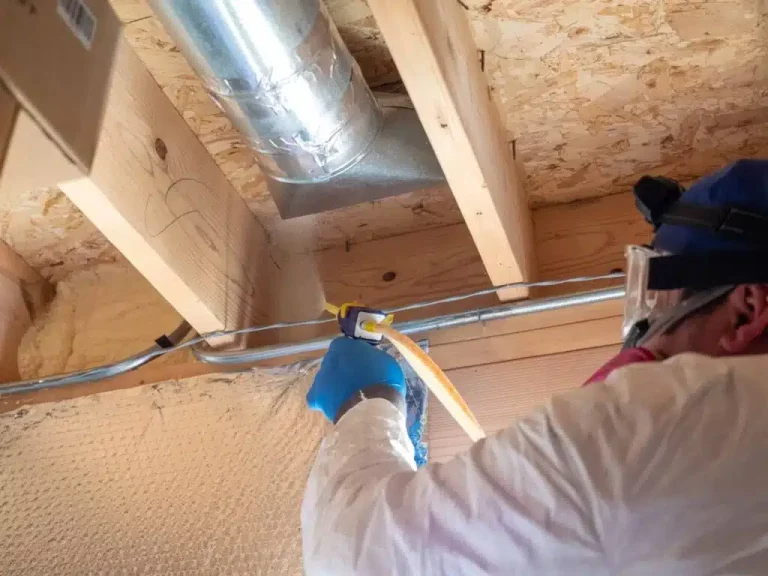
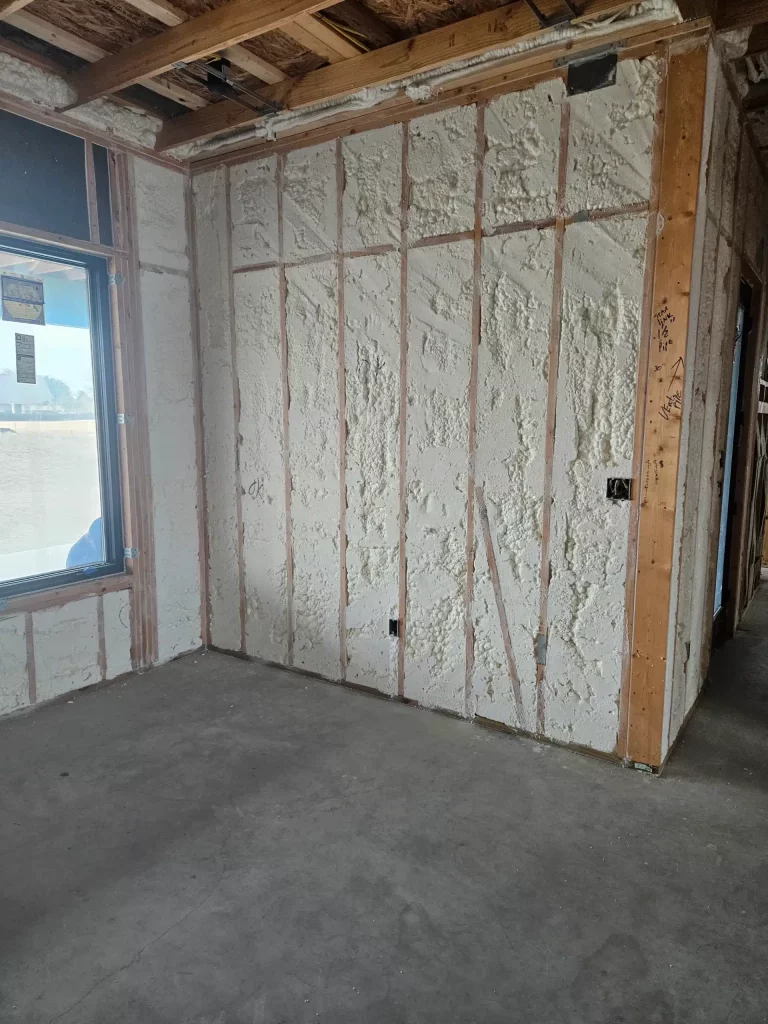
The primary reason open-cell spray foam insulation is so effective at improving indoor comfort is its physical structure. When the liquid components are sprayed, they undergo a chemical reaction that causes the foam to expand up to 100 times its original volume. This expansion ensures that the material reaches behind electrical wires, around plumbing stacks, and into the odd angles of a crawlspace or attic.
Because the cells of the foam are left open, the material remains soft and pliable. This flexibility allows the insulation to move with the building as it expands and contracts during the hot Fresno summers and cooler winters. According to a report by the U.S. Department of Energy, properly sealing air leaks is one of the most effective ways to reduce energy costs and improve the overall durability of a home.
The Role of Air Sealing in Indoor Comfort
Air leakage is one of the biggest contributors to discomfort in residential properties. Most homes have “micro-drafts” that occur around windows, baseboards, and attic hatches. When we apply air sealing solutions using open-cell foam, we create a continuous thermal boundary.
This boundary prevents the “stack effect,” where warm air rises and escapes through the attic while pulling cold air in through the basement or crawlspace. By neutralizing this airflow, your home maintains a steady temperature from floor to ceiling. This is particularly vital for energy-efficient homes where homeowners want to avoid “hot spots” in rooms located furthest from the HVAC unit.
Benefits of Modern Wall Insulation
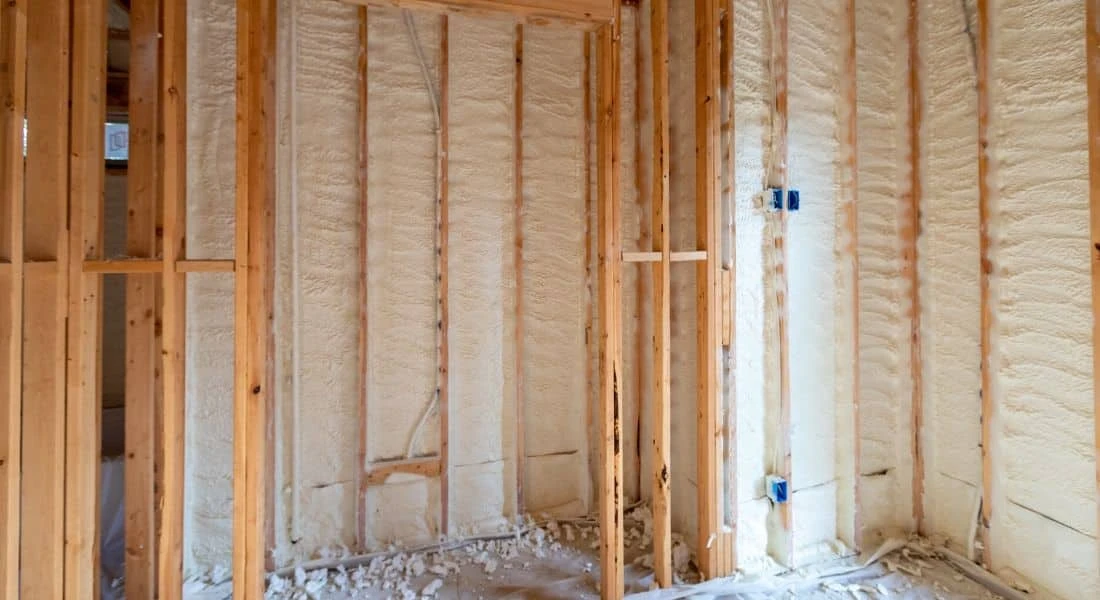
When considering wall insulation, open-cell foam offers a distinct advantage in terms of comprehensive coverage. Traditional batts often leave gaps at the top or bottom of a wall cavity, or they get compressed around outlet boxes, which destroys their thermal resistance. Open-cell foam flows around these obstructions, ensuring that 100% of the wall cavity is utilized for insulation.
Furthermore, the Spray Polyurethane Foam Alliance notes that the air-sealing qualities of spray foam can help prevent the entry of pests and insects, which often use small cracks in the siding and sheathing to enter the home. This adds a layer of structural protection and hygiene that traditional materials simply cannot match.
Comparison of Insulation Characteristics
| Feature | Open Cell Spray Foam | Fiberglass Batts | Cellulose (Blown-in) |
|---|---|---|---|
| Air Sealing Quality | High (Self-sealing) | Low (Requires extra tape/caulk) | Moderate (Dense pack only) |
| Primary Benefit | Comfort & Sound Control | Low Upfront Cost | Eco-friendly Material |
| Expansion Rate | 100x | None | None |
| Vapor Profile | Permeable (Breathable) | Permeable | Permeable |
| Installation Speed | Fast (Professional) | Moderate | Slow (Messy) |
Improving Air Quality and Reducing Allergens
For many Fresno residents, indoor comfort improvement isn’t just about temperature; it’s about the air they breathe. Standard insulation acts like a filter, trapping dust and pollen as air passes through it. Over time, this can lead to poor indoor air quality.
Because open-cell foam acts as an air barrier, it stops the air from moving through the walls in the first place. This means that outdoor pollutants, smoke, and seasonal allergens stay outside. When combined with a properly sized HVAC system and fresh air ventilation, open-cell spray foam insulation creates a much healthier living environment for families with respiratory sensitivities.
Sound Dampening Properties
One of the often-overlooked benefits of open-cell foam is its ability to reduce noise. Because the material is less dense and more “sponge-like” than closed-cell foam, it is exceptionally good at absorbing sound. This makes it a popular choice for:
- Interior walls between bedrooms and bathrooms.
- Ceilings between floors to dampen foot traffic noise.
- Media rooms or home offices where privacy is required.
The Environmental Protection Agency (EPA) emphasizes that a well-insulated home also protects against external noise pollution, which is a key component of psychological comfort in urban and suburban settings.
Strategic Visual Suggestions
- Comparison Infographic Suggestion: A side-by-side illustration showing air molecules passing through fiberglass batts versus being blocked by the dense, expansive structure of open-cell spray foam.
- Temperature Gradient Chart Suggestion: A vertical bar chart comparing the temperature variance in a two-story home before and after spray foam installation, highlighting the reduction in “hot attic” syndromes.
Recommendations by Audience
For Homeowners in Older Houses
If you live in an older Fresno home with high utility bills, we recommend starting with the attic. Open-cell foam can be applied to the underside of the roof deck, turning your attic into a conditioned space. This protects your HVAC ductwork from extreme heat, immediately boosting efficiency.
For New Construction Developers
Integrating air sealing solutions during the framing stage is the most cost-effective way to build energy-efficient homes. We suggest using open-cell foam in the exterior wall cavities to meet and exceed modern building codes while providing a major selling point for potential buyers.
For Commercial Property Owners
For office buildings where sound privacy is paramount, open-cell foam should be used in partition walls. It provides a high level of acoustic separation while contributing to the overall thermal envelope of the building.
Signs You’ve Found the Right Approach
Identifying a quality insulation strategy involves looking for more than just a low price. You know you are on the right track when:
- Detailed Site Evaluation: Our team performs a thorough inspection of your attic, crawlspace, and walls rather than giving a “sight-unseen” estimate.
- Clear Communication: Every step of the spray foam installation process is explained, including prep work and curing times.
- Holistic View of the Home: The strategy accounts for ventilation and moisture management, ensuring the home “breathes” correctly while staying airtight.
- Long-Term Focus: The recommendations prioritize long-term energy savings and structural durability over quick, cheap fixes.
Partner with the Experts at Supreme Spray Foam – Fresno
Our team specializes in transforming uncomfortable, drafty houses into high-performance, energy-efficient homes. We use premium materials and precise application techniques to ensure your property remains cool in the summer and warm in the winter, all while lowering your monthly energy expenses.
[Request a free quote] [call for an assessment]
Email: [email protected] Phone: (559) 545-0800
Let our experts help you create a quieter, cleaner, and more comfortable indoor environment today.
FAQs
Is open-cell spray foam safe for indoor use?
Yes, once the foam has fully cured, which usually takes 24 hours, it is chemically inert and does not off-gas.
Can open-cell foam be used in damp basements?
We generally recommend open cell for above-grade applications as it is vapor-permeable and not designed for direct water contact.
How long does the insulation last?
High-quality open-cell spray foam insulation is designed to last the lifetime of the structure without sagging or losing its R-value.
Does spray foam help with pests?
By sealing the small cracks and entry points in your building envelope, our installation makes it much harder for insects and rodents to enter.
Q: How much can I save on my energy bills?
A: While results vary based on home size and habits, many Fresno homeowners see a 15% to 50% reduction in heating and cooling costs.

- How Can Homeowners Prepare a Crawl Space for Spray Foam Installation in Parkwood, CA? - October 15, 2026
- Why Does Crawl Space Access Matter When Installing Spray Foam Insulation? - October 15, 2026
- What Makes Crawl Space Spray Foam a Choice for Better Air Quality in Oakhurst, CA? - September 22, 2026