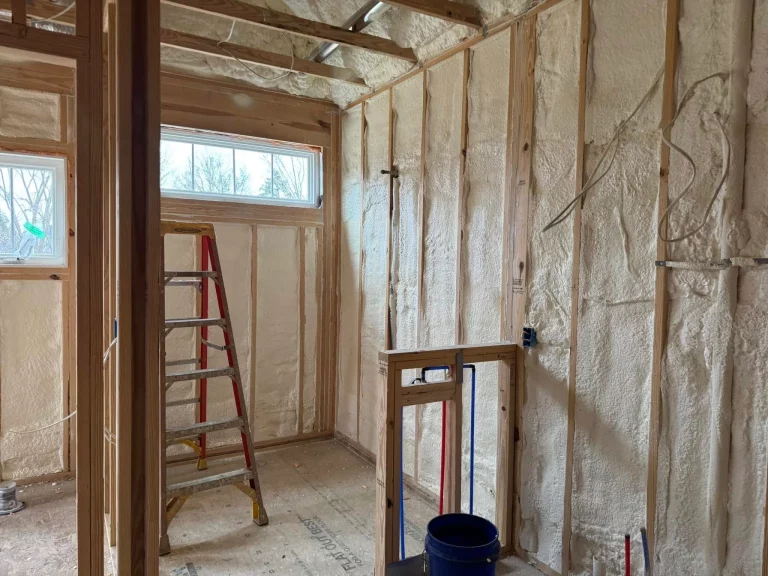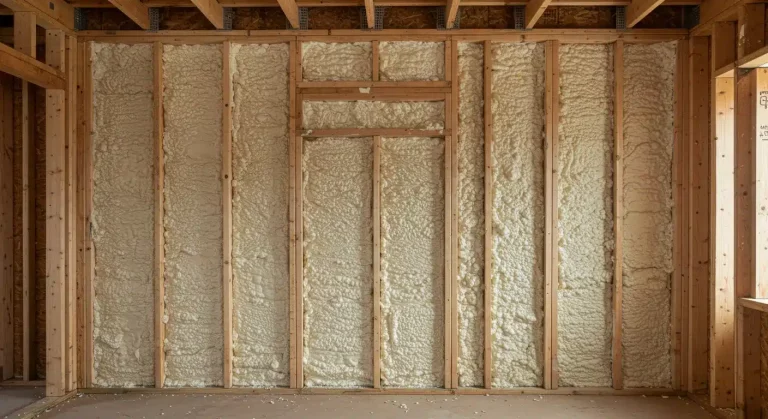

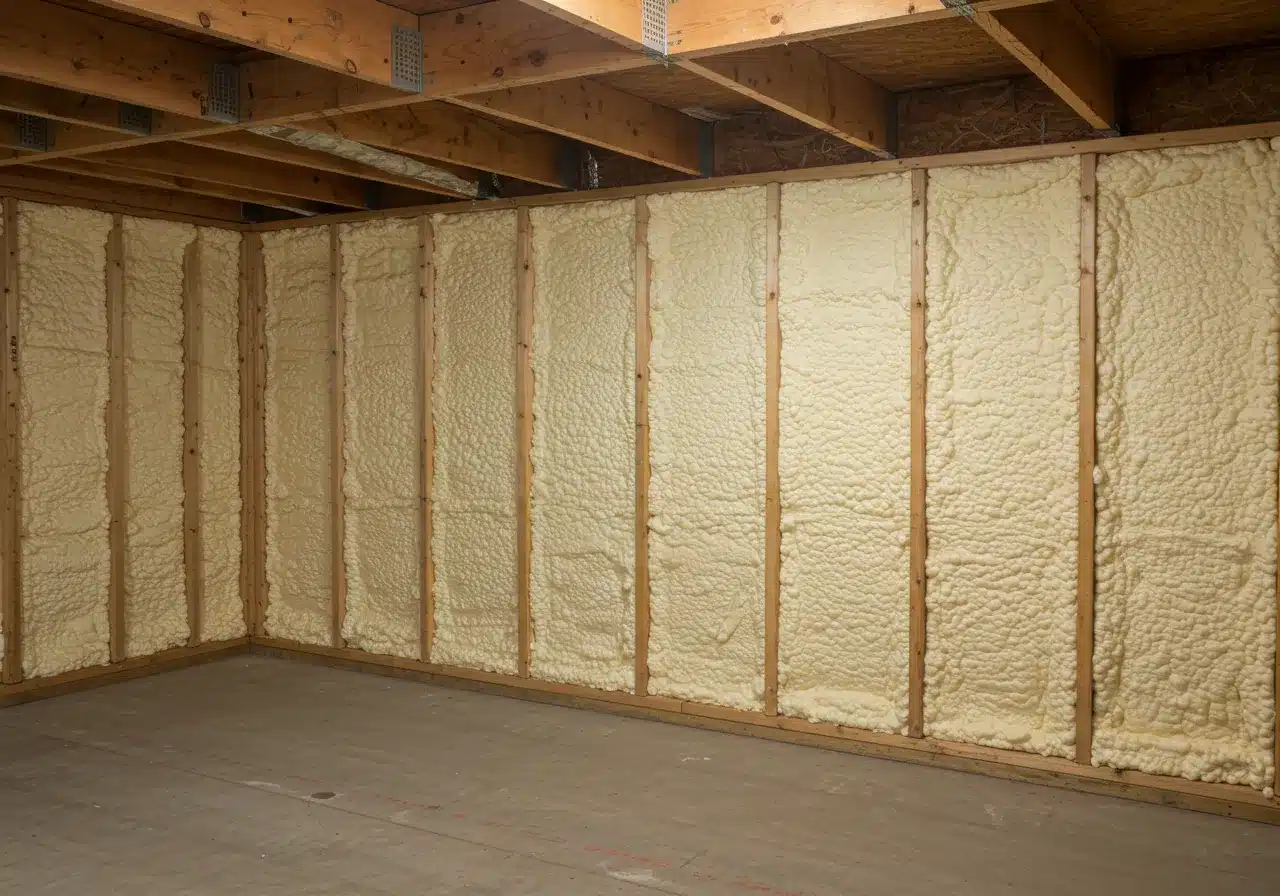
This question is likely to be raised immediately if someone brings up spray foam when you’re researching insulation: “All right, but how much does an inch cost?”
Alright. It’s a terrific place to start, particularly if you’re attempting to improve the energy efficiency of your house or budget for a redesign. The problem is that there isn’t a straightforward, universal solution for how much one inch of spray foam costs. But let’s try to explain it to you.
Why the Price Changes
Spray foam pricing changes based on more than just material. Think of it like this:
Material type plays a huge role—closed-cell will always be pricier, but it performs better too.
Bigger jobs usually bring the cost per square foot down.
Labor costs vary by city.
Hard-to-reach areas take more time (and cost more).
Estimated Pricing Per Square Foot
| Spray Foam Type | Cost per Sq. Ft. (1 Inch) | Cost per Sq. Ft. (2 Inches) |
| Open-Cell | $0.40 – $0.75 | $0.80 – $1.50 |
| Closed-Cell | $1.00 – $1.50 | $2.00 – $3.00 |
These prices are estimates and can vary depending on location and project specifics.
Is One Inch Enough?
Short answer? Probably not. But it really depends on the job.
Here’s a rough breakdown based on what we see in the field:
- Walls or attics? Usually need 2 to 3 inches, minimum, especially if you want real insulation benefits.
- Crawl spaces? Sometimes you can get away with 1–2 inches, depending on airflow.
- Metal buildings? Go thick—3 to 4 inches is common.
Spray foam works best when applied to the right thickness. Anything less, and you’re not getting full value.
Why People Go with Spray Foam Anyway
Sure, fiberglass is cheaper up front. But here’s why people still pick spray foam:
- Air Sealing: It seals up leaks that batt insulation just can’t reach.
- Long-Lasting: Once it’s in, it’s not going anywhere. It doesn’t sag or shift over time.
- Moisture Resistant: Especially closed-cell—it’s like a built-in vapor barrier.
- Structural Strength: Closed-cell can add rigidity to your framing.
A Quick Note for Fresno Homeowners
In Fresno, where the summer heat doesn’t mess around, good insulation really matters. Spray foam keeps your home cooler for longer, which means your AC doesn’t have to work overtime—and that saves you money. Especially if your attic or garage has been baking in the sun all day.
DIY vs. Professional Install: Be Honest with Yourself
Let’s be real. You can buy spray foam kits. People do. But unless you’re super confident and experienced, here’s what usually happens:
- You don’t apply it evenly.
- You spray too much or too little.
- You miss small gaps that make a big difference.
In short—DIY might save money at first, but a bad install wastes the product and leaves you with weak insulation.
Pros do it right the first time. It’s cleaner, faster, and more efficient. And it meets building codes.
Final Thoughts
So how much is one inch of spray foam? Somewhere between $0.40 to $1.50 per square foot, depending on type. But honestly, you’ll likely need more than that to really do the job well.
Still, if you’re serious about keeping your home or building energy-efficient, dry, and comfortable year-round, spray foam’s worth every penny.
Ready to Get a Real Estimate?
We’ll take a look at your space, talk about what you’re trying to achieve, and help you figure out what type of foam—and how much of it—makes sense for your goals and budget.
📞 Call us: (559) 545-0800
📧 Email: [email protected]
Frequently Asked Questions (FAQs)
1. How long will spray foam insulation actually last in my home?
If installed right, spray foam insulation can easily last 30 years or more. It doesn’t sag or break down like fiberglass. Most homeowners won’t ever need to replace it once it’s in.
2. Can I just install spray foam myself to save some cash?
You could, technically. There are DIY kits out there. But unless you’ve done it before, it’s easy to mess up. Uneven spraying, poor expansion, and missed gaps are common issues—and those reduce performance. A pro job will give you a cleaner, tighter seal and better results.
3. Is spray foam worth the higher cost upfront?
Absolutely. While it’s more expensive than fiberglass initially, the energy savings you’ll see month after month can make up for that cost in just a few years. Plus, your home stays quieter and more comfortable all year.
4. We live in Fresno—does spray foam really help with the heat here?
Definitely. Fresno summers are no joke. Spray foam keeps the hot air out and the cool air in. Most homeowners notice their AC runs less and indoor temps stay more consistent after insulation.
5. How thick does spray foam need to be for real results?
It depends on where you’re applying it. For walls and attics, we usually recommend at least 2 to 3 inches of closed-cell foam. Crawl spaces can sometimes get by with 1 to 2 inches, but more is usually better if your goal is energy efficiency.
6. Is spray foam insulation bad for the environment?
Not at all. Once it cures, spray foam is safe and helps lower your home’s energy use—meaning less strain on the grid and a smaller carbon footprint. Some newer formulas are even made with eco-friendly blowing agents.