
Commercial insulation services represent one of the most strategic facility investments available to business owners and property managers heading into 2026. With energy costs continuing to fluctuate and building codes becoming increasingly stringent, the question is not whether insulation matters, but whether now is the optimal time to invest in professional commercial-grade solutions. Spray foam insulation has emerged as a leading choice for commercial properties due to its superior thermal performance, air sealing capabilities, and long-term durability compared to traditional batt or blown-in materials.
For most commercial properties in California’s Central Valley region, the answer is yes, commercial insulation services are a smart investment in 2026. However, the actual return depends heavily on property type, current insulation condition, climate zone, and the specific solution selected. Businesses that act now position themselves to lock in energy savings before potential code updates drive compliance costs higher, while also gaining competitive advantages through improved tenant comfort and reduced operational expenses.
TL;DR
- Spray foam insulation delivers 30-50% better thermal resistance per inch compared to traditional fiberglass, making it the preferred choice for commercial applications requiring maximum efficiency
- Energy costs in California are projected to increase 8-12% by 2026, accelerating payback periods for insulation investments
- Commercial buildings in the Central Valley experience extreme temperature swings that make insulation quality critical for operational cost control
- Professional installation typically costs more upfront but delivers 40-60% lower lifecycle costs than DIY or budget alternatives
- Building code updates expected in 2026 will likely require higher R-values in commercial construction, making early investment protective
- Air sealing benefits from spray foam can reduce HVAC runtime by 15-25%, directly lowering maintenance costs and extending equipment life
- Properties with inadequate insulation face 3-5x higher heating and cooling costs compared to properly insulated buildings
Understanding the Commercial Insulation Landscape in 2026
The commercial insulation industry has shifted dramatically over the past five years, driven by three converging pressures: rising energy costs, evolving building codes, and increased awareness of indoor air quality impacts. For business owners evaluating their facility investment strategy, understanding these forces is essential to making informed decisions.
California’s Title 24 energy code updates continue to push commercial buildings toward higher performance standards. Properties that delay insulation upgrades may find themselves facing costly compliance work later, whereas those who invest proactively can often lock in favorable conditions under current code cycles. Our experienced team has tracked these regulatory shifts closely, and we help clients time their investments strategically.
Why Spray Foam Outperforms Traditional Options
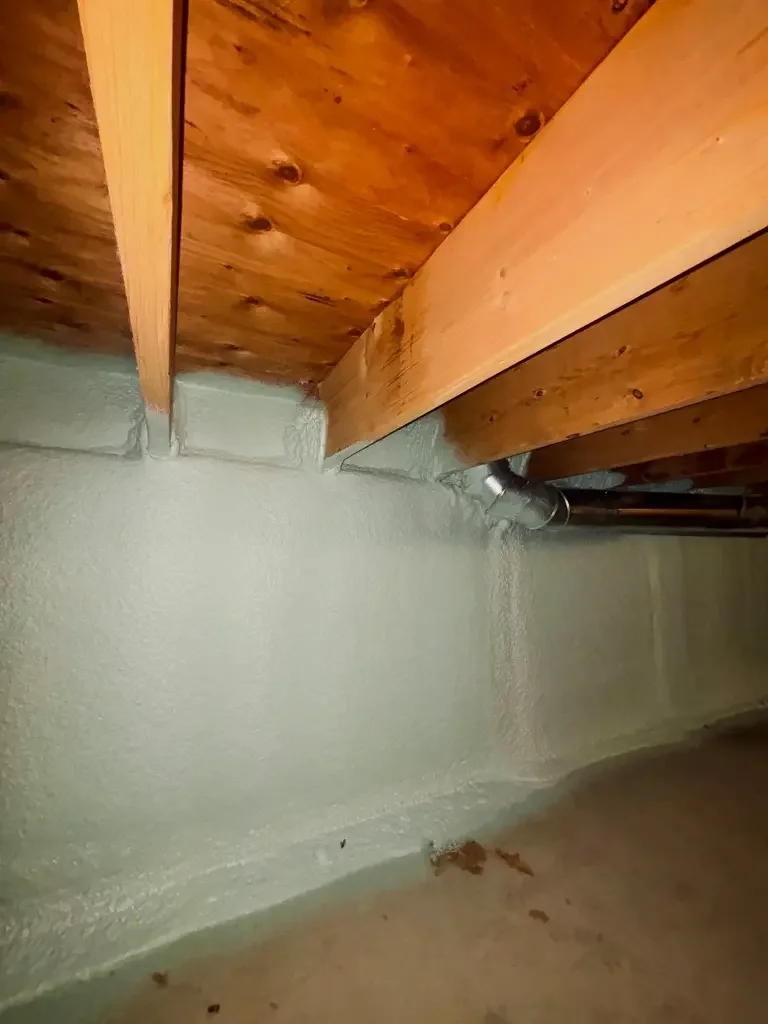
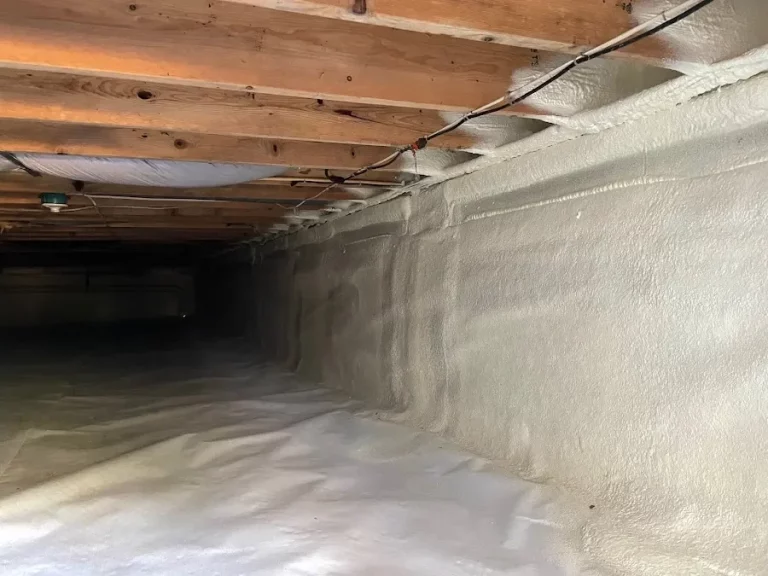
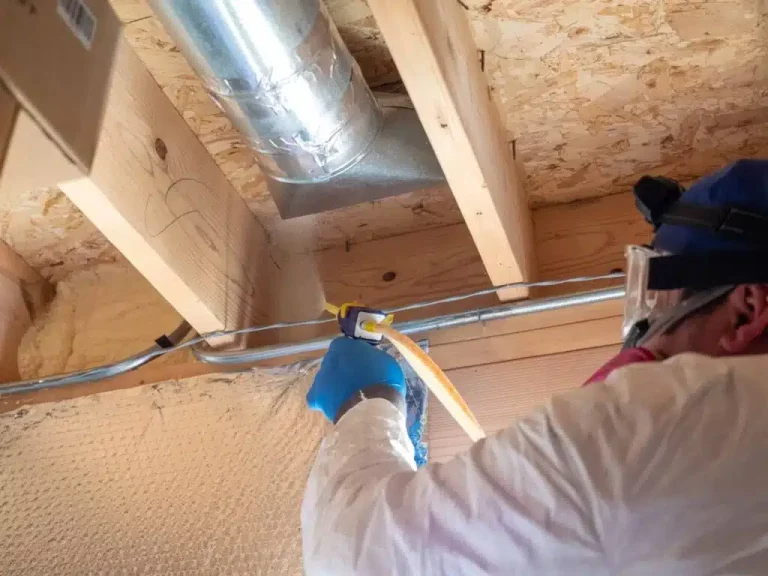
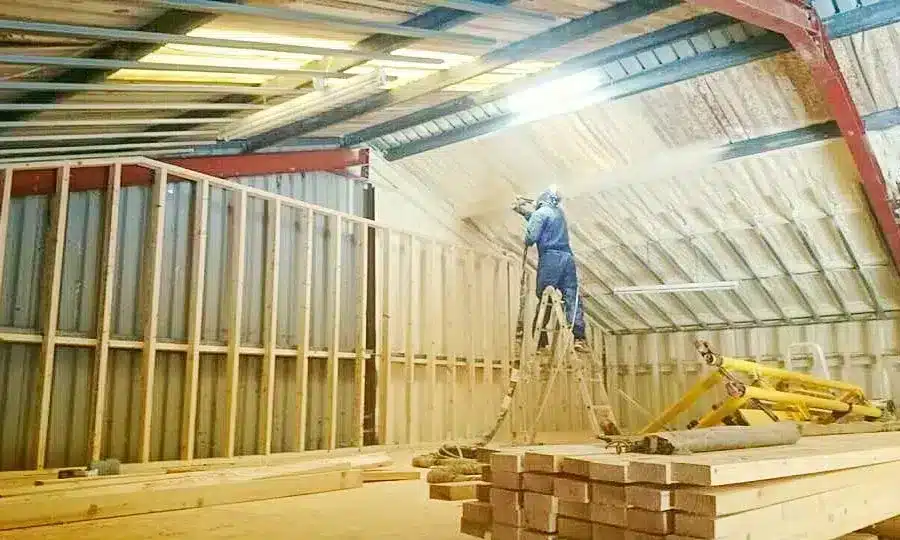
Spray foam insulation has become the dominant choice for commercial applications, and the reasons are straightforward. Closed-cell spray foam offers R-values between R-6 and R-7 per inch, compared to R-3 to R-4 for fiberglass batts or blown cellulose. This means a 4-inch application of spray foam outperforms 8-10 inches of traditional insulation in thermal resistance terms.
Beyond raw R-value, spray foam creates an air barrier as it expands and cures. This characteristic eliminates the drafts, moisture infiltration, and temperature inconsistencies that plague buildings with gaps in traditional batt insulation. For commercial spaces like warehouses, office buildings, and retail centers in the Fresno area, this air sealing translates directly to measurable energy savings and improved occupant comfort.
Open-cell spray foam offers a cost-effective alternative for interior applications where moisture resistance is less critical. While it provides slightly lower R-values per inch, open-cell formulations excel at sound dampening and typically come in at lower material costs. Our professionals assess each property to recommend the optimal formulation based on exposure conditions, budget constraints, and performance goals.
Cost Analysis: What Commercial Insulation Investment Looks Like
Understanding the financial dimensions of commercial insulation services requires moving beyond simple material cost comparisons. Business owners who evaluate insulation purely on upfront expense often miss the larger picture of lifetime value.
Typical Investment Ranges
Commercial spray foam insulation generally costs between $1.50 and $3.50 per square foot, depending on the formulation selected, access conditions, and project complexity. A typical 10,000 square foot commercial building might range from $15,000 to $35,000 for a complete spray foam application. While this exceeds the $0.75 to $1.50 per square foot cost of fiberglass batts, the long-term differential narrows considerably when factoring in energy savings, reduced maintenance, and extended HVAC life.
| Insulation Type | Cost per Sq. Ft. | R-Value per Inch | Air Sealing | Lifespan | 10-Year True Cost |
|---|---|---|---|---|---|
| Fiberglass Batt | $0.75-$1.50 | R-3.1 to R-3.7 | Poor | 15-20 years | Higher due to energy loss |
| Blown-in Cellulose | $1.00-$2.00 | R-3.2 to R-3.8 | Fair | 20-30 years | Moderate, settling issues |
| Open-Cell Spray Foam | $1.25-$2.25 | R-3.5 to R-3.8 | Excellent | Lifetime | Lower with energy savings |
| Closed-Cell Spray Foam | $1.75-$3.50 | R-6.0 to R-7.0 | Superior | Lifetime | Lowest total ownership cost |
Buildings insulated with closed-cell spray foam typically see 15-30% reductions in annual heating and cooling costs, which compounds significantly over a decade.
Strategic Timing: Why 2026 Favors Early Action
Several factors make 2026 a particularly advantageous year to invest in commercial insulation services. Energy prices are trending upward, with utility companies across California are preparing for rate adjustments that will affect commercial accounts. Each month of delay in upgrading insulation means continued higher operating costs.
Building code cycles present another timing consideration. California’s energy code update cycle typically brings stricter requirements with each revision. Properties insulated to current standards may need costly retrofits when new codes take effect. By investing now under current requirements, commercial property owners can avoid potential future compliance premiums.
Additionally, contractor availability and material costs tend to increase as demand grows. Early 2026 still represents a window of relatively favorable pricing before peak construction season drives up costs and extends lead times. Our professionals are currently scheduling projects for the first quarter, with availability that busy summer months may not offer.
Making the Right Choice for Your Property Type
Different commercial property types have distinct insulation requirements, and matching the solution to the application is critical for maximizing return on investment on commercial insulation.
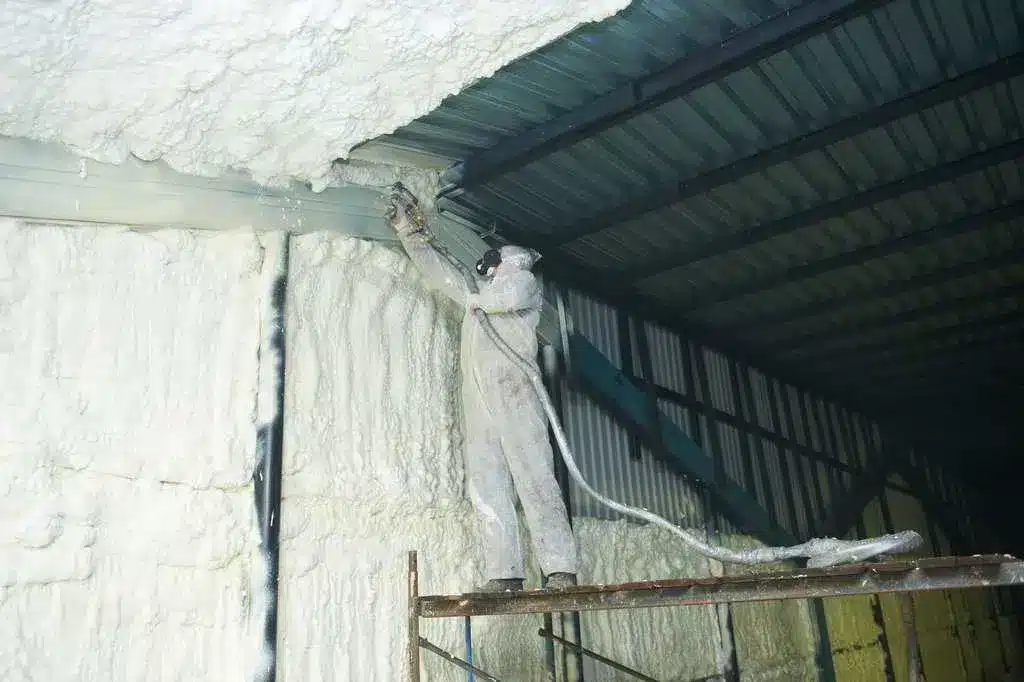
- Warehouse and Distribution Centers benefit most from open-cell spray foam in roof assemblies and closed-cell applications in perimeter walls. The air sealing properties prevent hot air infiltration during Fresno’s triple-digit summer months while retaining climate-controlled air from HVAC systems.
- Office Buildings and Retail Spaces typically see the greatest benefit from spray foam in exterior walls and roof decks. The sound-dampening characteristics of open-cell formulations create more comfortable environments for employees and customers while reducing noise transmission between spaces.
- Food Service and Cold Storage Facilities require closed-cell spray foam for its moisture resistance and superior thermal performance. Even small gaps in insulation can cause condensation problems and temperature fluctuations that compromise food safety and increase energy costs exponentially.
- Industrial and Manufacturing Buildings often have unique requirements depending on process heat loads and ventilation needs. Our experts evaluate these properties individually to develop insulation strategies that address specific operational demands.
Signs You Have Found the Right Insulation Partner
Recognizing quality insulation services requires attention to several indicators that separate professional contractors from opportunistic operators.
- Detailed Assessment Process: Quality providers conduct thorough evaluations before proposing solutions. This includes thermal imaging scans, air leakage testing, and analysis of existing conditions. Beware of contractors who quote prices without visiting the property and understanding its specific needs.
- Transparent Pricing Structure: Expect line-item breakdowns showing material costs, labor, preparation work, and any additional services. Vague estimates that lack specificity often mask shortcuts or hidden charges that surface later in the project.
- Manufacturer Certification: Professional spray foam applicators hold current certifications from major manufacturers. These credentials ensure proper training on material handling, application techniques, and safety protocols. Ask to see the current certification documentation.
- Warranty Coverage: Quality installations come with guarantees that protect your investment. Look for both material warranties from the manufacturer and workmanship coverage from the installing contractor.
- Local References and Portfolio: Reputable contractors readily provide references from similar commercial projects in the Fresno area. Examining completed buildings and speaking with previous clients reveals much about work quality and professionalism.
Our Recommendations for 2026 Investment Strategy
For commercial property owners and facility managers evaluating insulation investments in 2026, we recommend a phased approach that balances urgency with budget reality.
- Immediate Priority properties with aging, damaged, or insufficient insulation should schedule professional assessments now. The energy cost savings from upgrading these buildings typically generate positive returns within 2-4 years, making delay financially counterproductive.
- Planned Upgrades for buildings with adequate but aging insulation should be scheduled for completion before summer peak season. This timing allows projects to be completed during moderate weather conditions while positioning the property for lower cooling costs during hot months.
- New Construction Projects should always incorporate high-performance spray foam insulation from the design phase. The marginal cost difference between spray foam and traditional alternatives is minimal in new construction, yet the long-term benefits are substantial.
Ready to Evaluate Your Commercial Property’s Insulation Needs?
Our team at Supreme Spray Foam Fresno brings specialized expertise in commercial insulation applications throughout the Central Valley. We provide comprehensive assessments that identify insulation deficiencies and quantify the financial impact of upgrading your building envelope. Our professionals understand the unique climate challenges that commercial properties face in this region, and we design solutions that perform reliably year after year.
For businesses seeking to reduce operating costs, improve tenant comfort, and protect their property investments, professional commercial insulation services represent a clear strategic advantage in 2026 and beyond.
Contact our team today to schedule your commercial property assessment and receive a detailed proposal tailored to your building’s specific requirements. Get Your Commercial Insulation Assessment or call (559) 545-0800.
Frequently Asked Questions
How long does commercial spray foam insulation installation take?
A typical commercial project of 10,000 square feet or less completes within 3-7 business days, depending on access conditions and scope. Larger facilities may require additional time, but our professionals work efficiently to minimize business disruption.
Will spray foam insulation increase my building’s value?
Yes, commercial properties with modern, high-performance insulation command higher valuations and rental rates. Energy efficiency improvements are increasingly valued in commercial real estate assessments and tenant decision-making.
What maintenance does spray foam insulation require after installation?
Spray foam insulation requires no ongoing maintenance and maintains its performance throughout its lifetime. Unlike fiberglass, it does not settle, shift, or degrade under normal conditions, making it a maintenance-free investment.
Can spray foam help with sound control in commercial buildings?
Open-cell spray foam provides significant sound dampening, reducing noise transmission through walls and between spaces. This makes it particularly valuable for offices, multi-tenant buildings, and facilities where noise control matters.
Does spray foam insulation meet California’s Title 24 energy code requirements?
Modern spray foam insulation products and installations routinely meet and exceed California’s Title 24 energy code requirements. Our team stays current on all code updates to ensure compliant installations for every project.
Sources
- U.S. Department of Energy – Building Technologies Office – Research on insulation R-values, energy performance standards, and commercial building envelope requirements for California climate zones.
- California Energy Commission – Title 24 – Official documentation on California’s building energy efficiency standards and upcoming code cycle updates affecting commercial insulation requirements.
- Energy Star – Commercial Buildings – Guidelines on energy performance benchmarking and insulation requirements for commercial properties seeking ENERGY STAR certification.
- NAIMA – North American Insulation Manufacturers Association – Technical resources comparing insulation material performance characteristics, R-values, and lifecycle cost analysis for commercial applications.
- Statista – Energy Prices – Data and projections on commercial energy costs and utility rate trends affecting insulation investment payback calculations.

- How Can Homeowners Prepare a Crawl Space for Spray Foam Installation in Parkwood, CA? - October 15, 2026
- Why Does Crawl Space Access Matter When Installing Spray Foam Insulation? - October 15, 2026
- What Makes Crawl Space Spray Foam a Choice for Better Air Quality in Oakhurst, CA? - September 22, 2026