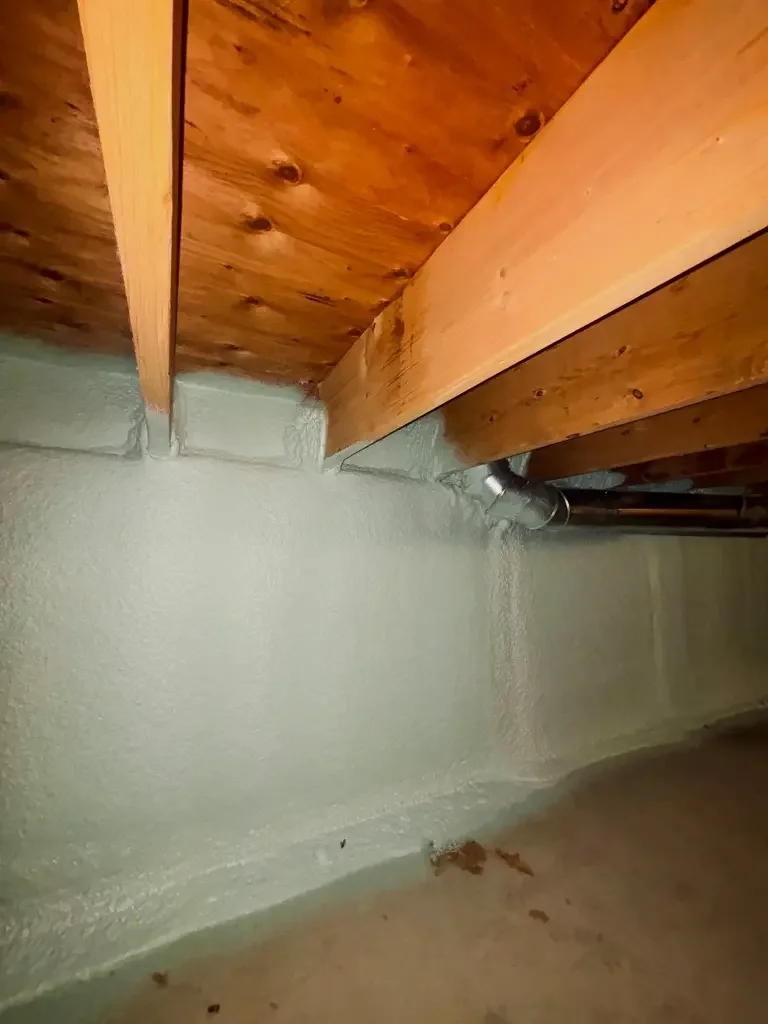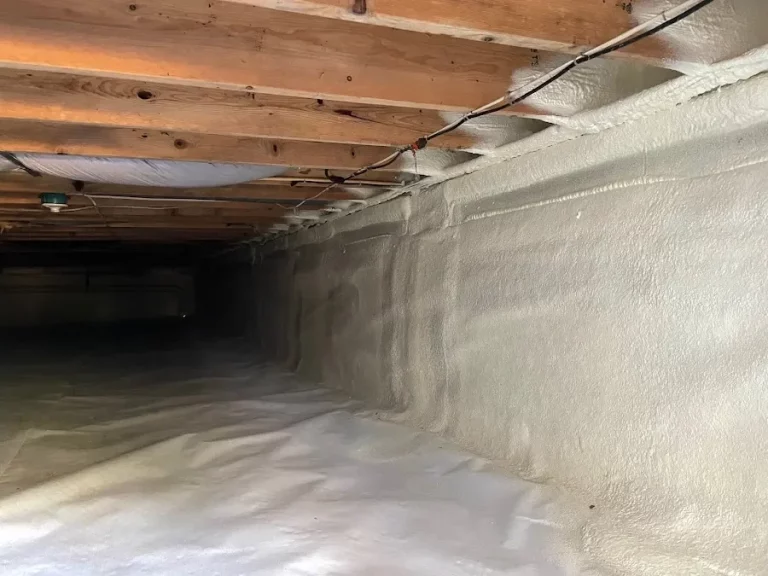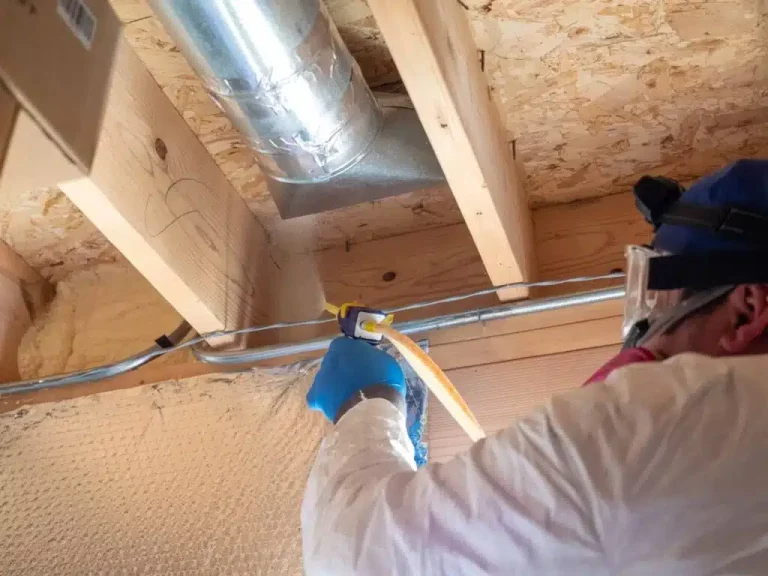

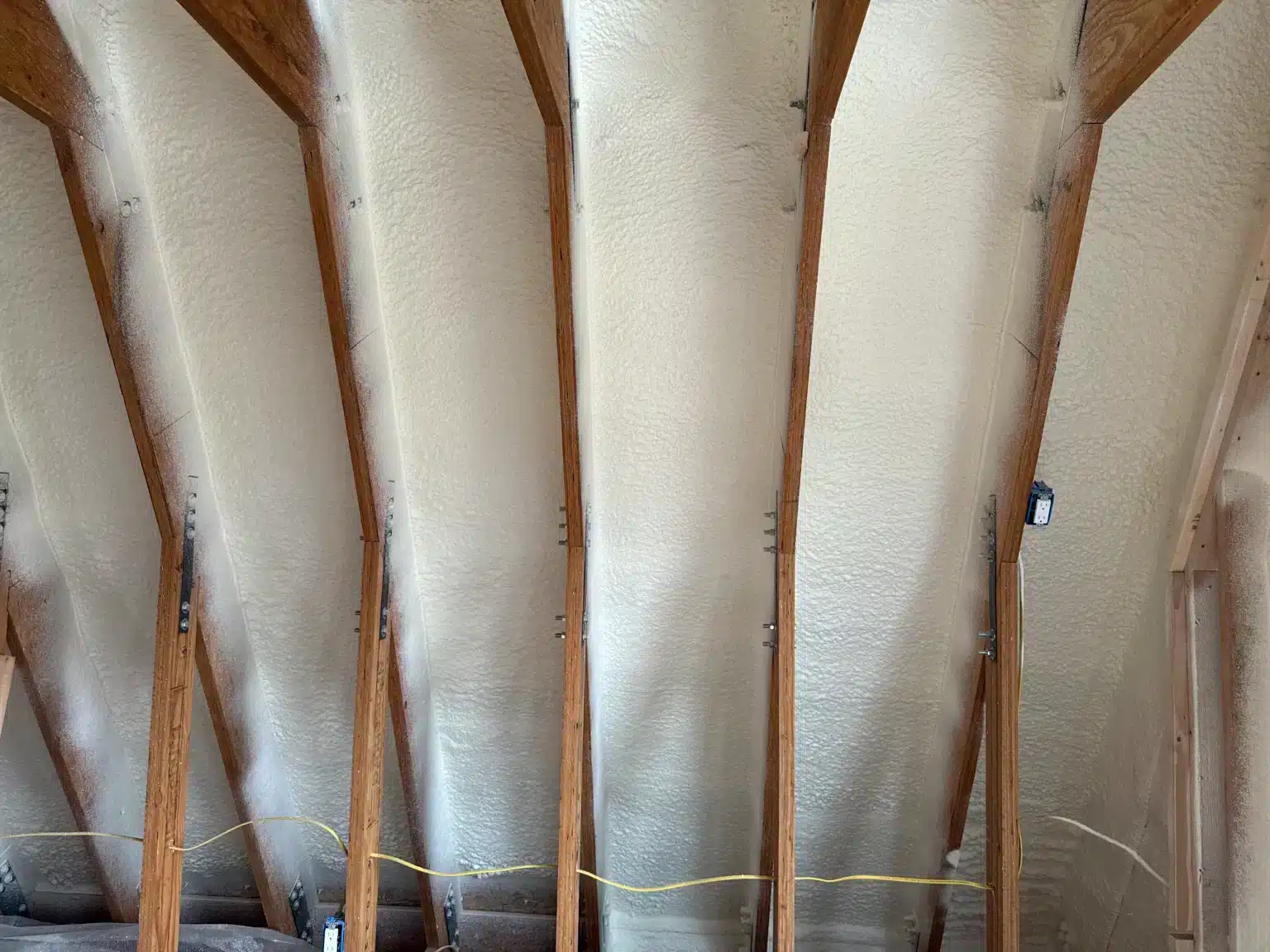
Closed-cell spray foam insulation is safe for nearly all residential home structures in Fresno, CA, when installed by trained professionals who follow manufacturer specifications and California building codes. However, suitability depends on your home’s construction type, existing moisture conditions, and whether proper ventilation protocols are followed during and after installation. Fresno’s climate, which includes hot summers and occasional moisture from fog, makes closed-cell spray foam an excellent choice for most homes, but certain conditions may require alternative approaches or additional considerations.
Our team has installed spray foam insulation in hundreds of Fresno-area homes, and we understand that local building conditions matter significantly when evaluating safety, performance and Long term energy saving. The short answer is yes, closed-cell spray foam is safe for most Fresno homes, but the longer answer involves understanding specific scenarios where alternative solutions might be more appropriate.
TL;DR
- Closed-cell spray foam provides superior structural reinforcement, with research showing wall assemblies can gain up to 300% increased racking strength compared to traditional insulation methods.
- Professional installation is essential for safety, as chemical exposure concerns exist only during the application phase, not after the foam fully cures.
- Fresno’s building codes under California Title 24 energy standards allow closed-cell spray foam use, provided installers follow flame spread rating requirements.
- Moisture resistance makes closed-cell foam particularly valuable for Fresno’s fog-prone areas and crawl spaces.
- Proper ventilation during installation protects occupants and allows the foam to cure completely before occupancy.
- Not all structures are identical, and existing moisture issues or specific construction types may require assessment before installation.
Understanding Closed-Cell Spray Foam Safety
Closed-cell spray foam insulation is one of the most thoroughly researched insulation materials available today. The safety profile of this product depends heavily on two distinct phases: the application phase and the cured phase.
During application, SPF (spray polyurethane foam) releases chemicals that require careful handling. According to the U.S. Environmental Protection Agency, proper protective equipment, ventilation, and re-entry protocols protect workers and occupants during this critical period. Most professional contractors, including our team, follow EPA guidelines that typically require 24 to 48 hours of ventilation after application before occupants can safely return to the space.
Once cured, closed-cell spray foam is inert and safe for everyday contact. The CPSC health and safety recommendations confirm that fully cured SPF does not pose ongoing health risks when properly installed. This cured material then provides decades of safe, effective insulation without any off-gassing concerns.
The key distinction that every Fresno homeowner should understand is that the safety concerns associated with spray foam apply exclusively to the installation process, not the completed insulation. This is why working with certified professionals who understand proper safety protocols matters so much.
Fresno-Specific Building Considerations
Fresno’s location in California’s Central Valley creates unique building conditions that directly impact insulation choices. Our local climate features hot, dry summers that can exceed 100 degrees, combined with cooler winters and regular fog penetration from the San Joaquin River bottom.
These conditions make closed-cell spray foam an excellent match for Fresno homes for several reasons:
- Moisture Control: Fresno’s periodic fog and moisture events can penetrate standard insulation, leading to mold growth and structural deterioration over time. Closed-cell spray foam’s near-impermeable nature acts as a Class II vapor retarder, providing protection that open-cell foam or fiberglass simply cannot match.
- High Thermal Performance: With temperatures swinging dramatically between seasons, the superior R-value per inch that closed-cell foam provides helps maintain consistent indoor temperatures while reducing energy costs. This performance advantage becomes particularly valuable during Fresno’s scorching summer months when air conditioning costs climb.
- Structural Benefits: Research from the Spray Foam Magazine documents that walls installed with closed-cell spray foam demonstrate significantly increased structural integrity. For older Fresno homes built before modern energy standards, this reinforcement can actually strengthen the existing structure while improving comfort.
California’s Title 24 energy code requirements apply to all residential construction in Fresno, and closed-cell spray foam meets or exceeds these standards when properly installed. Our team stays current with all California building code updates to ensure every installation complies with local requirements.
Comparing Spray Foam Types for Fresno Homes
Understanding the differences between closed-cell and open-cell spray foam helps explain why closed-cell foam is often preferred for Fresno’s specific needs, though open-cell remains a viable option in certain scenarios. Consult a comprehensive Residential Spray Foam Guide for more details.
| Property | Closed-Cell Spray Foam | Open-Cell Spray Foam |
|---|---|---|
| Density | 2.0+ lbs/ft³ | 0.5-1.0 lbs/ft³ |
| R-Value per inch | 6.0-7.0 | 3.5-4.0 |
| Vapor Retardation | Class II (serves as a vapor barrier) | None (requires a separate vapor barrier) |
| Moisture Resistance | Excellent | Poor |
| Structural Reinforcement | High | Minimal |
| Cost per board foot | $2.50-$4.00 | $1.00-$2.00 |
| Recommended thickness | 2-4 inches typically | 5-6 inches typically |
Closed-cell foam’s higher density creates that characteristic rigid structure that bonds directly to wall cavities, providing both insulation and structural enhancement. For Fresno homes in areas prone to settling or older structures that need strengthening, this combination of benefits often justifies the higher material cost.
Open-cell foam might be considered for interior ceiling applications where vapor permeability is actually desired, or for applications where cost sensitivity outweighs moisture protection needs. However, for exterior walls, crawl spaces, or areas exposed to Fresno’s occasional moisture, closed-cell foam remains the standard recommendation.
Common Misconceptions About Spray Foam Safety
Several persistent myths about spray foam safety cause unnecessary concern among homeowners considering this insulation option.
Myth: Spray foam is toxic long-term. Once fully cured, closed-cell spray foam is chemically stable and does not release harmful gases into your home. Any concerns about toxicity apply only to the uncured material during installation.
Myth: Spray foam damages roof structures. When properly applied with adequate ventilation gaps or in accordance with manufacturer specifications, closed-cell foam does not damage roof sheathing. The key is ensuring proper application thickness and following code requirements for thermal barriers in attic installations.
Myth: All spray foam products are the same. Significant quality differences exist between manufacturers and installer training levels. High-quality closed-cell foams with proper certifications undergo rigorous testing for fire resistance, off-gassing, and long-term performance.
Myth: Spray foam will make my home too airtight. While closed-cell foam does create an effective air barrier, proper ventilation design ensures healthy indoor air quality. Our team includes mechanical ventilation recommendations as part of every closed-cell installation to maintain optimal indoor environments.
Structural Suitability by Home Type
Different Fresno home construction types each have specific considerations for closed-cell spray foam installation:
- Stick-Frame Construction: Most common in Fresno residential buildings, this construction type responds exceptionally well to closed-cell spray foam. The foam fills wall cavities completely, bonds to wood framing, and provides both insulation and structural reinforcement. This is often the ideal application for closed-cell products.
- Older Historic Homes: Many Fresno homes date from the early to mid-20th century and may have non-standard framing or existing moisture damage. Our assessment process evaluates these structures carefully before recommending closed-cell installation, as remediation of existing conditions may be necessary first.
- Manufactured Homes: Closed-cell spray foam works well in manufactured homes, particularly for rim joist and exterior wall applications. The material can help address common manufactured housing issues with air infiltration and thermal bridging.
- Commercial and Multi-Family Buildings: Fresno’s building code requires different documentation and permitting for these structures, but closed-cell spray foam remains equally effective and safe when installed by appropriately licensed contractors.
Signs You’ve Found the Right Installation Approach
Recognizing quality spray foam installation goes beyond just checking for certification. Look for these indicators that your installation will be performed correctly:
- Thorough Pre-Installation Assessment: Our team examines your home’s current insulation, moisture conditions, and construction type before providing recommendations. A contractor who proceeds without evaluation may not identify underlying issues.
- Clear Communication About Process: You should understand exactly what happens during installation, including re-entry timing, ventilation requirements, and what to expect during the curing period. Quality contractors explain these details proactively.
- Documentation of Materials and Methods: Ask about the specific foam products being used, their certifications, and how they meet California building code requirements. Legitimate contractors welcome these questions.
- Documentation of Materials and Methods: Ask about the specific foam products being used, their certifications, and how they meet California building code requirements. Legitimate contractors welcome these questions, often referencing industry best practices from the Spray Polyurethane Foam Alliance.
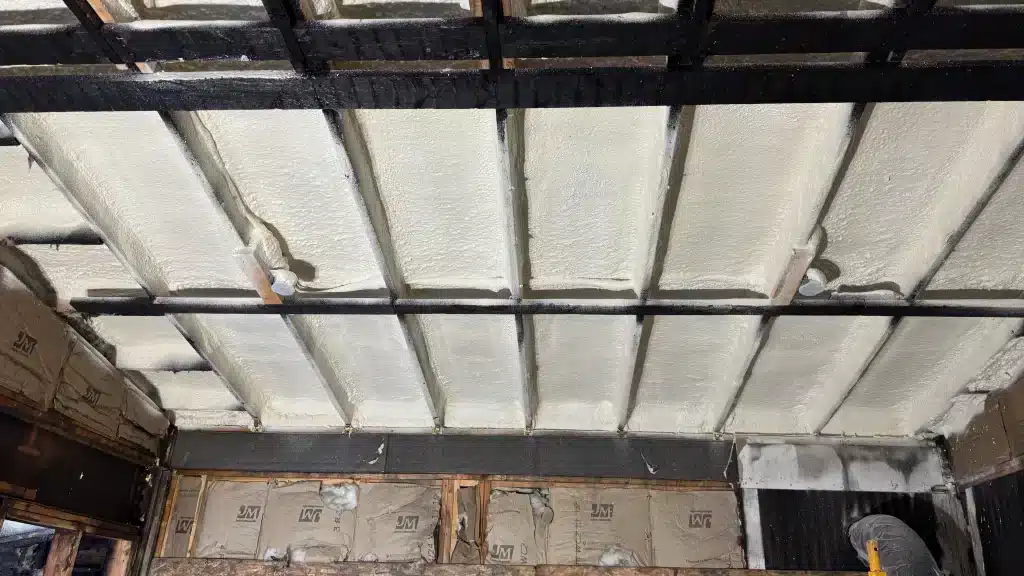
When Additional Considerations Apply
Certain scenarios require extra attention before proceeding with closed-cell spray foam installation:
- Existing Mold or Moisture Damage: Before installing closed-cell foam, any existing moisture issues must be addressed. Closed-cell foam locks in whatever conditions exist at application time, so remediation of pre-existing problems is essential.
- Inadequate Ventilation Systems: Homes without mechanical ventilation may need upgrades before closed-cell installation. Our team can evaluate your current ventilation and recommend solutions as part of the installation planning process.
- Unusual Framing Configurations: Some older homes have non-standard spacing, damaged framing members, or other conditions that require custom approaches. These situations are manageable but require professional assessment.
Our Installation Process for Fresno Homes
Our approach to closed-cell spray foam installation in Fresno follows a consistent process designed to ensure safety and performance:
- Initial Assessment: We evaluate your home’s construction, existing insulation, ventilation systems, and any specific concerns you may have identified.
- Customized Recommendation: Based on the assessment, we provide specific recommendations for your home, including foam type, application areas, and any preparatory work needed.
- Professional Application: Our trained technicians apply closed-cell spray foam using manufacturer-approved equipment and following all safety protocols.
- Proper Curing and Ventilation: We ensure adequate ventilation during the curing period and confirm safe conditions before recommending re-entry.
- Final Inspection and Guidance: We review the completed installation with you and provide maintenance recommendations for long-term performance.
This systematic approach ensures that every closed-cell spray foam installation we complete in Fresno meets both safety standards and performance expectations.
Get Expert Guidance for Your Fresno Home
Whether your home is a newer construction in Woodward Park or an established residence in the Tower District, Supreme Spray Foam Fresno brings local expertise and professional installation to every project. Our team understands Fresno’s specific building conditions, climate challenges, and code requirements.
Contact us today to schedule an assessment and discover how closed-cell spray foam can improve your home’s comfort, energy efficiency, and structural integrity. We’re available to answer your questions and provide honest recommendations based on your home’s specific needs.
Frequently Asked Questions
How long does closed-cell spray foam take to cure in Fresno’s climate?
Curing time typically ranges from 24 to 48 hours, depending on application thickness and ambient temperature. Fresno’s hot summers can actually accelerate curing, while cooler winter conditions may extend the timeline slightly.
Can closed-cell spray foam be installed in an occupied home safely?
Yes, with proper protocols. Occupants typically need to vacate during application and for 24 hours after, with adequate ventilation. Our team coordinates with you to schedule installations at convenient times.
Will closed-cell spray foam affect my home’s fire rating?
When installed according to California building codes, closed-cell foam meets flame spread and smoke development requirements. In many applications, thermal barriers or ignition barriers are required by code, and we ensure compliance.
Is closed-cell spray foam safe for homes with allergies or respiratory concerns?
Once fully cured, closed-cell spray foam does not release allergens or irritants. The cured foam is inert and safe for occupants with respiratory sensitivities. During installation, we coordinate proper ventilation to protect everyone in the home.
Does Fresno require permits for spray foam insulation installation?
Depending on the scope, permits may be required for insulation work in Fresno. Our team handles all necessary permitting and ensures every installation meets local building code requirements.
Sources
- Spray Foam Magazine – SPF Strengthens Buildings – Industry publication documenting research on structural benefits of closed-cell spray foam in wall assemblies.
- EPA – Quick Safety Tips for Spray Polyurethane Foam Users – Environmental Protection Agency guidelines for safe installation practices and re-entry protocols.
- Building Science – Residential Spray Foam Guide – Technical guide covering spray foam applications across different climate zones and construction types.
- Spray Polyurethane Foam Alliance – Health and Safety – Industry organization resources on safety standards and best practices for SPF installation professionals.

- How Can Homeowners Prepare a Crawl Space for Spray Foam Installation in Parkwood, CA? - October 15, 2026
- Why Does Crawl Space Access Matter When Installing Spray Foam Insulation? - October 15, 2026
- What Makes Crawl Space Spray Foam a Choice for Better Air Quality in Oakhurst, CA? - September 22, 2026