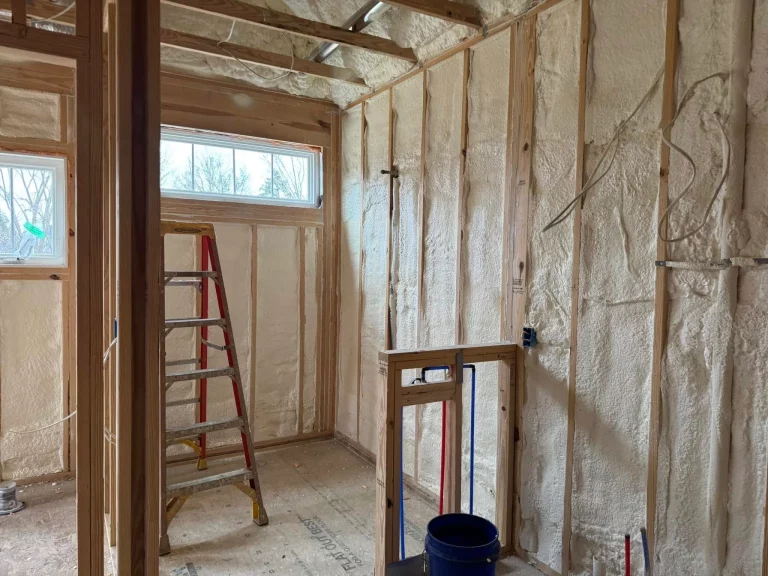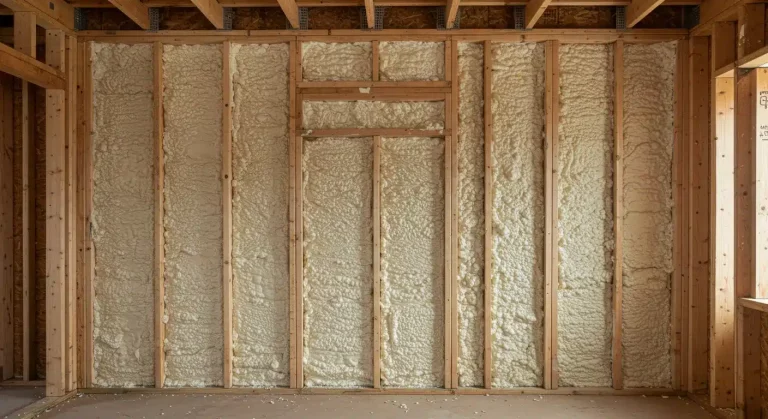

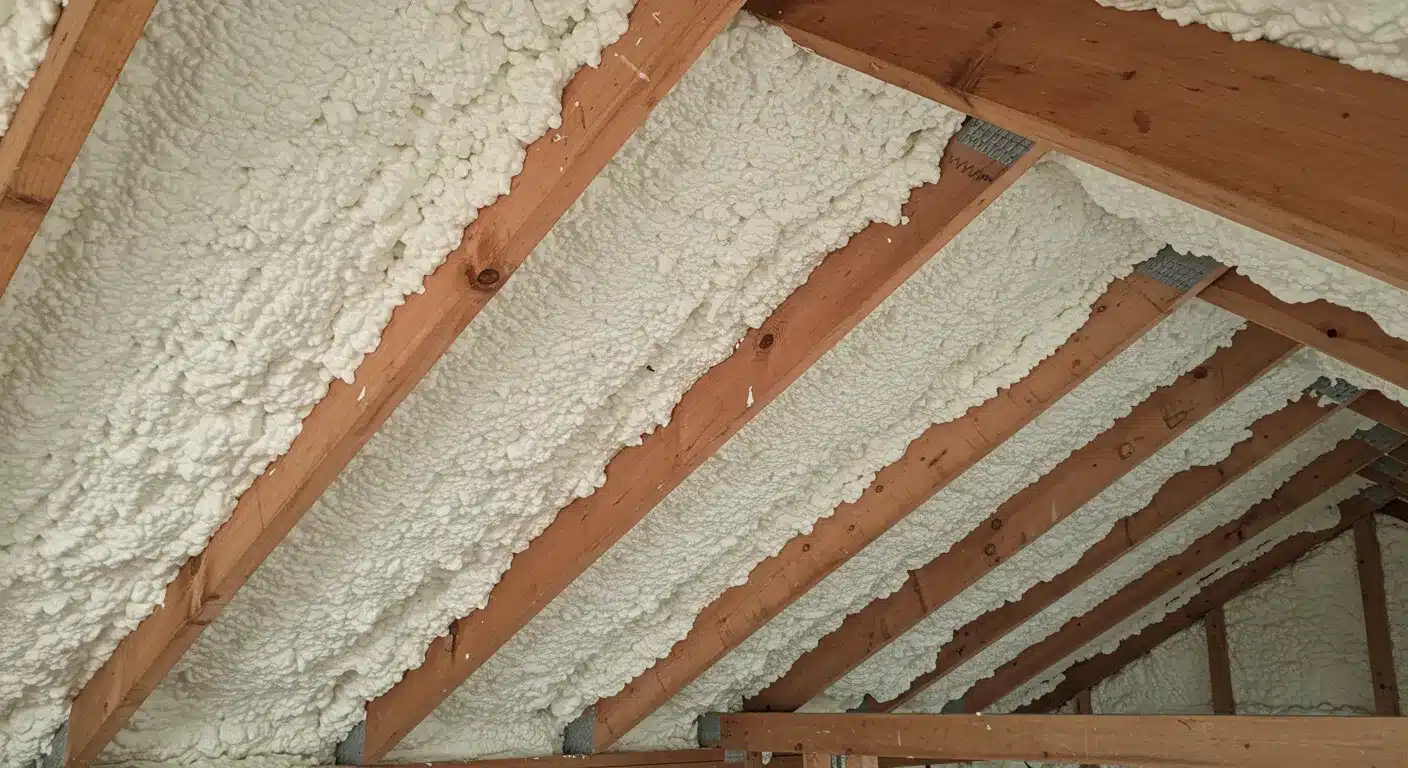
Attic spray foam insulation helps reduce seasonal asthma triggers in Farmersville, CA homes by sealing the building envelope against outdoor pollutants, controlling indoor humidity that fuels dust mites and mold, and creating a healthier indoor environment where HVAC-filtered air circulates more effectively. The approach works best when paired with proper ventilation, since spray foam alone is not a complete indoor air quality solution. Farmersville, CA spray foam insulation services are particularly valuable because the EPA recognizes the San Joaquin Valley as having some of the nation’s worst air quality and high rates of childhood asthma. For homeowners in this region, the attic is often the weakest point in the building envelope, and sealing it with spray foam directly addresses how outdoor allergens and moisture enter living spaces.
TL;DR
- Farmersville is located in Tulare County within the San Joaquin Valley, where asthma prevalence reaches 17.6%, exceeding both state and national averages, according to peer-reviewed research published through the National Institutes of Health
- Unsealed attics allow pollen, agricultural dust, and PM2.5 to enter homes through gaps, cracks, and ventilation penetrations
- Spray foam insulation creates an airtight seal that blocks these pathways while controlling the humidity levels that dust mites and mold need to thrive
- Approximately half of U.S. homes show visible evidence of dampness or mold, and indoor dampness is associated with 30% to 70% increases in respiratory health effects
- Proper installation and curing protocols are essential, since improperly applied spray foam can itself become a respiratory hazard
- The best results come from combining spray foam insulation with controlled mechanical ventilation and quality HVAC filtration
Why Farmersville Homes Face Higher Asthma Risks
Farmersville’s location in the San Joaquin Valley places it in one of the most polluted air basins in the United States. The EPA has identified this region as having some of the nation’s worst air quality, with high rates of childhood asthma and persistent challenges from ozone, particulate matter (PM2.5), and nitrogen dioxide exposure. A 2024 study published in the Journal of Asthma and Allergy found that the San Joaquin Valley carries the highest asthma prevalence in California at 17.6%, compared to 15.7% statewide and 15.1% in Los Angeles.
The American Lung Association has given every major city in the San Joaquin Valley a failing grade in its “State of the Air” report for high ozone days, 24-hour particulate pollution, and annual particle pollution. Visalia, just north of Farmersville in Tulare County, ranks among the worst in the nation for year-round particle pollution.
Seasonal agriculture, windblown dust from flat terrain, pollen from native trees and grasses, and wildfire smoke all contribute to outdoor air quality challenges that eventually find their way indoors. The valley’s geography traps these pollutants, and they seep into homes through the attic, one of the most vulnerable entry points in any building envelope.
How Seasonal Asthma Triggers Enter Through the Attic
Most homeowners do not think of the attic as a primary pathway for allergens, but it is exactly that. The average home has numerous penetrations through the attic floor, including recessed lighting, plumbing vents, electrical runs, HVAC ductwork, and chimney chases. Each of these openings creates a channel between the unconditioned attic space and the living areas below. This is one reason attic spray foam insulation is so effective at improving indoor air quality.
According to the U.S. Department of Energy, air leakage occurs when outside air enters and conditioned air leaves the house uncontrollably through cracks and openings, and relying on this leakage for ventilation is not recommended. During hot summer months and windy conditions common in the Central Valley, unconditioned air laden with pollen, dust, and agricultural particulates gets drawn into the living space through these attic penetrations.
Once inside, these particles settle on surfaces and become part of the indoor allergen load. The Asthma and Allergy Foundation of America notes that controlling indoor airborne allergens is one of three EPA-recommended strategies for improving indoor air quality, alongside ventilation and air cleaning.
How Spray Foam Insulation Addresses the Problem
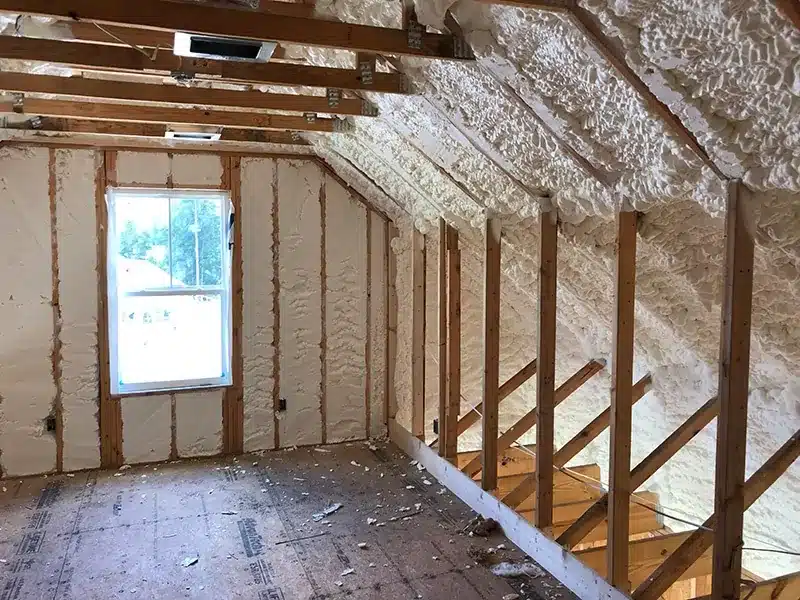
Spray foam insulation works as both an insulator and an air barrier. When applied to the attic, it seals the gaps, cracks, and penetrations that allow outdoor allergens and moisture to migrate into living spaces. This has a direct effect on the two most common indoor asthma triggers: dust mites and mold, making it a strong option for cold climate attic insulation.
Controlling humidity to suppress dust mites and mold
Research from Lawrence Berkeley National Laboratory shows that high indoor humidity increases the number of house dust mites present, and dampness or mold in homes is associated with 30% to 70% increases in the prevalence of asthma exacerbation, respiratory infections, and allergic rhinitis. An Institute of Medicine committee concluded that homes should be designed, operated, and maintained to prevent water intrusion and excessive moisture accumulation.
Dust mites and mold require relative humidity levels above 55% to flourish. By sealing the attic envelope, spray foam insulation helps maintain more consistent indoor humidity levels, reducing the conditions that allow these allergens to proliferate. The American Lung Association identifies humidity control as one of the primary defenses against dust mites, recommending that homeowners keep indoor humidity below 50%.
Blocking allergen pathways at the source
Unlike fiberglass batts or blown-in insulation, spray foam expands to fill irregular spaces and bonds directly to surfaces, creating a continuous thermal and air barrier. This means the penetrations where allergens typically enter, around ductwork, wiring, and plumbing, get sealed as part of the insulation process itself.
Comparison of Insulation Types for Asthma Management
| Insulation Type | Air Sealing Capability | Moisture Control | Allergen Blocking | Long-Term IAQ Benefit |
|---|---|---|---|---|
| Open-cell spray foam | Good air sealing; fills cavities fully | Moderate; allows some moisture permeability | High; seals all penetrations | Strong, when paired with ventilation |
| Closed-cell spray foam | Excellent air sealing; acts as vapor barrier | High; resists moisture intrusion | Very high; dense, continuous barrier | Very strong |
| Fiberglass batts | Poor; leaves gaps around obstructions | Low; does not block moisture movement | Low; air still passes through | Limited |
| Blown-in cellulose | Moderate; settles over time | Low to moderate; can absorb moisture | Moderate; fills but does not seal | Moderate |
| Rigid foam board | Moderate; joints must be sealed separately | Moderate to high | Moderate; depends on taping quality | Moderate to good |
The Critical Role of Proper Installation
While spray foam insulation offers clear benefits for indoor air quality, proper installation is non-negotiable. The chemicals used during application, particularly isocyanates, can cause respiratory sensitization and trigger asthma symptoms if occupants are exposed before the foam has fully cured. Research published through Allergy Standards Ltd. notes that spray polyurethane foam has been shown to induce asthma, and that occupants should remain out of the home during and after application until proper curing is complete.
Key safety considerations include:
- Occupants must leave the home during application and until the foam has fully cured and off-gassed
- Installers must wear appropriate respiratory protection, eye protection, and skin coverings
- Adequate ventilation must be maintained after re-occupancy, ideally through a mechanical ventilation system
- Installation should only be performed by trained professionals who understand proper mixing ratios, application thickness, and curing times
When installed correctly by experienced professionals, the long-term indoor air quality benefits of spray foam far outweigh the temporary risks during application. The foam becomes inert once cured, and the sealed building envelope it creates provides years of allergen protection.
Recommendation by Homeowner Situation
| Homeowner Profile | Primary Concern | Recommended Approach | Key Consideration |
|---|---|---|---|
| Families with asthmatic children | Seasonal pollen and dust exposure | Closed-cell spray foam in attic with mechanical ventilation | Children spend more time at home; sealed envelope reduces daily allergen load |
| Older adults with respiratory conditions | Year-round PM2.5 and mold sensitivity | Open-cell or closed-cell foam plus dehumidification | Older adults are more vulnerable to both outdoor pollution and indoor dampness |
| Homeowners near agricultural land | Agricultural dust and chemical drift | Closed-cell foam for maximum barrier protection | Proximity to fields increases particulate exposure; tighter seal provides better defense |
| Homes with existing mold issues | Moisture control and mold prevention | Closed-cell foam combined with professional mold remediation | Spray foam should not be applied over active mold; remediate first |
| New construction or major renovation | Whole-home air quality optimization | Full building envelope spray foam with ERV/HRV system | New builds allow for integrated ventilation design from the start |
Signs You Have Found the Right Insulation Contractor
Choosing the right professional for attic spray foam installation in Farmersville matters for both your health and your home’s performance. Look for these indicators:
- They discuss ventilation as part of the project, not just insulation. A contractor who understands that spray foam creates a tight building envelope will also talk about how to maintain fresh air exchange through mechanical ventilation.
- They explain curing and re-occupancy timelines clearly, including how long you need to stay out of the home and what to expect during the off-gassing period.
- They assess your specific attic conditions before quoting, looking for existing moisture issues, ventilation needs, and the right foam type for your situation rather than offering a one-size-fits-all solution.
- They carry proper certifications and training in spray foam application, and their crew uses full protective equipment during installation.
- They provide documentation of the products used, including manufacturer specifications for curing times and any relevant emissions testing data.
Protect Your Family’s Air Quality
At Supreme Spray Foam Fresno, we understand the unique challenges Farmersville homeowners face with seasonal asthma triggers in the San Joaquin Valley. Our experienced team specializes in attic spray foam insulation that seals out allergens, controls moisture, and creates a healthier indoor environment for your family. Every project we complete includes a thorough assessment of your attic conditions and a clear plan for safe installation and proper ventilation.
Reach us at [email protected] or call (559) 545-0800 to get started. Your family deserves to breathe easier at home.
Frequently Asked Questions
Does spray foam insulation eliminate asthma triggers completely?
No. Spray foam insulation reduces the pathways through which outdoor allergens and moisture enter your home, which lowers the indoor allergen load. It should be combined with proper ventilation, HVAC filtration, and routine cleaning for the best results.
How long after spray foam installation is it safe to re-enter the home?
Re-occupancy timelines depend on the foam type, application thickness, and ventilation conditions. Our team provides specific guidance for each project and will not clear the home for re-entry until air quality testing confirms it is safe. Occupants should plan to be out during application and for a curing period afterward.
Is spray foam insulation safe for homes with asthmatic residents?
Once fully cured, spray foam becomes inert and does not off-gas or release particles. The sealed building envelope it creates actually helps reduce asthma triggers by blocking allergens and controlling humidity. The risk period is limited to during and immediately after installation.
Will spray foam in the attic affect my home’s ventilation?
Spray foam seals the attic, which reduces uncontrolled air leakage. This means your home will need controlled mechanical ventilation, such as an energy recovery ventilator or exhaust fans, to maintain proper fresh air exchange. Our team evaluates this as part of every project.
Why is the attic specifically important for asthma in Farmersville?
The attic is the primary entry point for outdoor air in most homes. In Farmersville, the San Joaquin Valley’s high pollen counts, agricultural dust, and particulate matter pollution all settle on and around the roof, and unsealed attic penetrations allow these pollutants to drift directly into living spaces.
Sources
- Lawrence Berkeley National Laboratory – Indoor Air Science: Dampness and Mold – Comprehensive review of building dampness health effects, including the 30% to 70% increase in respiratory health outcomes associated with indoor mold and dampness, published by a U.S. Department of Energy national laboratory.
- U.S. EPA – San Joaquin Valley – Federal recognition of the San Joaquin Valley’s unique environmental challenges, including some of the nation’s worst air quality and high rates of childhood asthma across the eight-county region.
- PMC/NIH – Costs of Air Pollution in California’s San Joaquin Valley (Zarate-Gonzalez et al., 2024) – Peer-reviewed study documenting the San Joaquin Valley’s 17.6% asthma prevalence rate and the economic burden of ozone, PM2.5, and nitrogen dioxide on respiratory health in the region.
- American Lung Association – Dust Mites – Guidance on dust mites as a major indoor asthma trigger, including the recommendation to keep home humidity below 50% and the connection between humidity control and allergen reduction.
- U.S. Department of Energy – Air Sealing Your Home – Federal guidance on reducing uncontrolled air leakage in homes, including the recommendation to seal cracks and openings to improve comfort, durability, and indoor air quality.