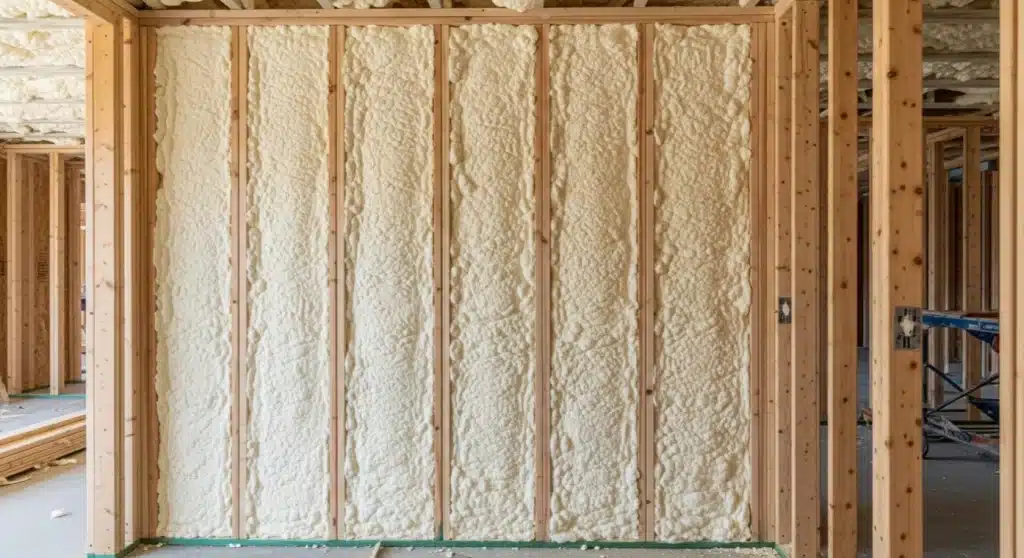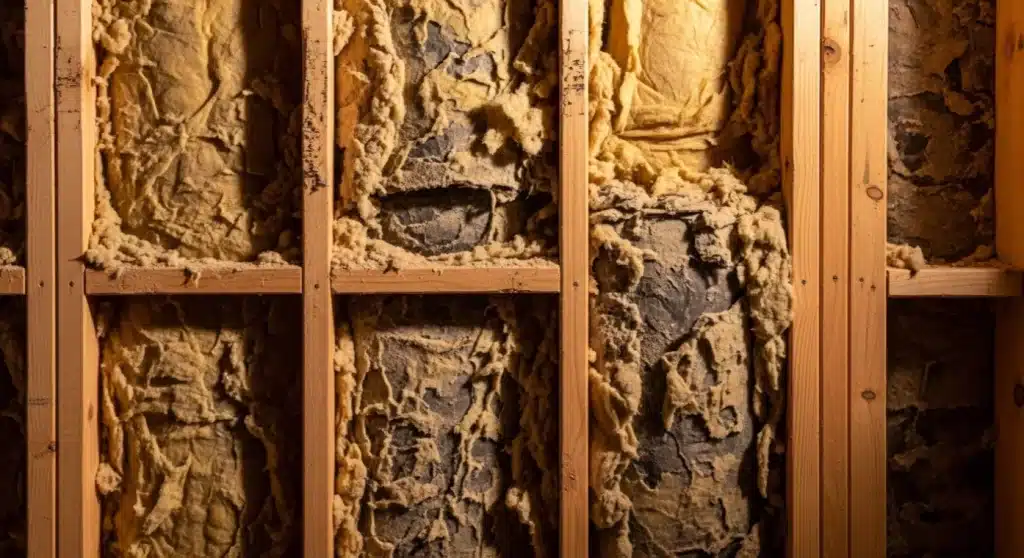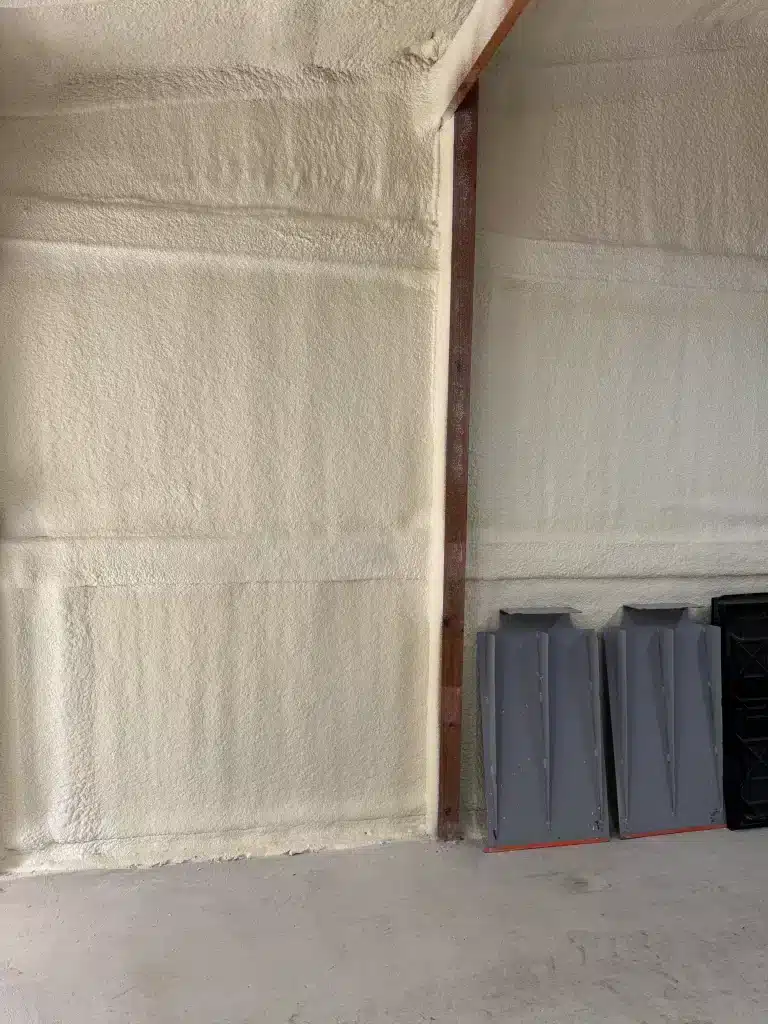

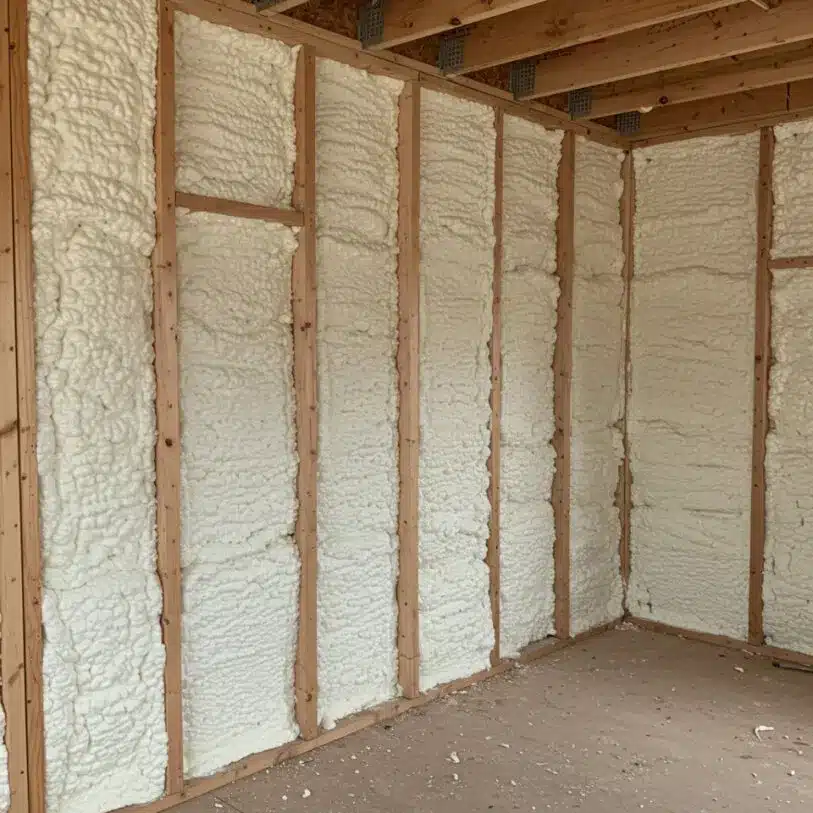
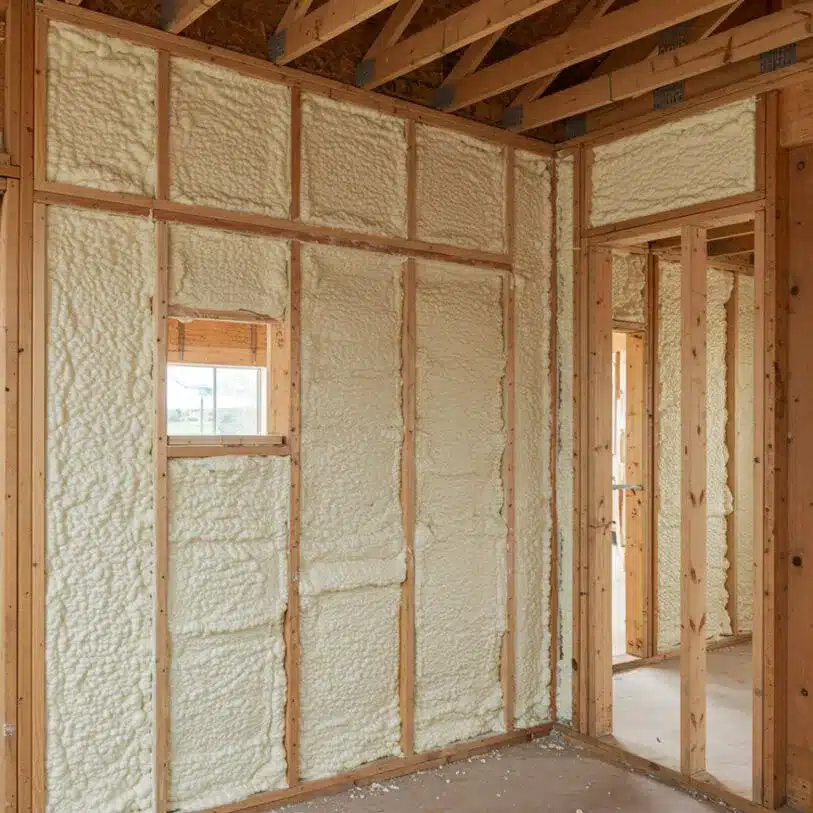
A proper insulation system makes a home feel more solid by moving beyond simple temperature control and contributing directly to the building’s structural integrity, acoustic performance, and air quality. When insulation, particularly closed-cell spray foam, is applied, it adheres to the structural components of the walls and roof, effectively acting like a high-strength glue. This bonding action helps to reduce flexing and shifting in the building envelope, minimizing the creaks and groans that are common in poorly sealed homes. It also creates a rigid air and moisture barrier, which dampens outside noise and prevents the kind of air movement that creates drafts and inconsistent temperatures, contributing to a quieter and more stable indoor environment.
This article will explain the specific ways that insulation provides these structural and sensory benefits. With years of hands-on experience in residential and commercial buildings, the team at Supreme Spray Foam Fresno has observed firsthand how a well-designed insulation system fundamentally changes a home’s character. The information here comes from that direct field experience and established building science principles.
The Structural Impact of Modern Insulation
Many people think of insulation as just fluff in the walls, but certain types can significantly increase a building’s strength. This is especially true for materials that adhere directly to the surfaces they are applied to.
How Spray Foam Adds Racking Strength
One of the key structural benefits comes from increased racking strength. Racking is the force that can push a rectangular wall into a parallelogram shape, often caused by high winds or seismic events. A study by the National Association of Home Builders (NAHB) Research Center found that applying closed-cell spray foam insulation in wall cavities can increase a structure’s racking strength by as much as 300%. The foam expands and hardens, bonding the studs, sheathing, and headers into a single, solid unit. This reduces the potential for movement and makes the entire wall assembly more resistant to external pressures.
Preventing Moisture Damage
Insulation also contributes to a solid feel by managing moisture. Closed-cell spray foam acts as a vapor barrier, preventing moisture-laden air from penetrating the wall cavity where it can condense. This is critical because moisture is a primary cause of rot in wood framing and corrosion in metal components. Over time, moisture damage can weaken a home’s structure, leading to sagging floors and spongy walls. By keeping the structural elements dry, insulation helps preserve the building’s original strength and solidity for decades.
A Quieter, More Peaceful Interior
A home that feels solid is also a quiet one. Insulation is a key factor in controlling sound transmission from the outside world and between rooms inside the house.
Sound Dampening vs. Soundproofing
It’s important to distinguish between sound dampening and soundproofing. Soundproofing aims to block sound completely, which usually requires specialized construction methods. Sound dampening, on the other hand, reduces the intensity of sound, which is what most insulation materials excel at. They absorb sound waves, turning them into small amounts of heat and preventing them from echoing within wall cavities. This significantly reduces the intrusion of traffic noise, loud neighbors, and even the sound of rain on the roof.
Bonus Tip: For enhanced quiet, consider insulating interior walls, especially around bedrooms, bathrooms, and home offices. This simple step can make a big difference in daily comfort and privacy.
Comparing Acoustic Performance of Insulation
Different insulation materials have different sound-dampening capabilities, which are often measured by a Sound Transmission Class (STC) rating. A higher STC rating indicates better performance at blocking airborne sound.
| Insulation Material | Typical STC Rating (in a standard wall assembly) | Best Use for Sound Control |
|---|---|---|
| Open-Cell Spray Foam | 37 – 39 | Excellent for mid-to-high frequency sounds like voices. |
| Closed-Cell Spray Foam | 35 – 37 | Good for general sound dampening, adds structural value. |
| Fiberglass Batts | 36 – 39 | Standard choice for basic sound control between rooms. |
| Mineral Wool Batts | 45 – 52 | Superior for low-frequency sounds like home theaters or traffic. |
As the table shows, materials like mineral wool are specifically engineered for sound attenuation, but spray foam offers a strong balance of thermal, structural, and acoustic benefits.
Creating a Controlled Indoor Environment
A “solid” home feels sealed and protected from the elements. This feeling is largely due to the creation of an effective air barrier, which is one of the most important functions of a modern insulation system.
The Role of the Air Barrier
Drafts and air leaks make a home feel less substantial. According to the U.S. Department of Energy, sealing air leaks around a home can save 10% to 20% on heating and cooling costs. Spray foam insulation is exceptional in this regard because it expands to fill every crack and gap, creating a continuous and nearly impermeable air barrier. This stops uncontrolled air movement, which not only prevents drafts but also keeps out dust, pollen, and other pollutants, improving indoor air quality.
Consistent Temperatures and Reduced HVAC Strain
When a home is properly air-sealed with insulation, the HVAC system doesn’t have to work as hard to maintain a consistent temperature. The constant cycling on and off of heating and air conditioning systems, along with the associated noises from ducts and vents, can contribute to a sense of instability. A well-insulated home holds its temperature for longer, leading to fewer HVAC cycles, less noise, and a more stable, comfortable indoor climate. This stability reinforces the feeling of being in a well-built, solid structure.
Bonus Tip: Before insulating, consider a professional energy audit. An auditor can use tools like blower doors and infrared cameras to identify the most significant air leaks, ensuring your insulation investment provides the maximum benefit.
Things to Consider Before Making a Decision
Choosing the right insulation requires looking at your home’s unique characteristics and your long-term objectives.
- Your Home’s Existing Structure: The age and construction of your home will influence the best insulation choice. Older homes with irregular framing may benefit most from spray foam, which can fill non-standard cavities completely.
- Local Climate and Building Codes: Your geographic location dictates the recommended R-value (a measure of thermal resistance). Areas with extreme temperatures require higher R-values. Always check local building codes for specific insulation and vapor barrier requirements.
- Long-Term Goals vs. Upfront Cost: While some insulation types like spray foam have a higher initial cost, they can provide greater long-term savings through energy efficiency and added structural durability. A report from Remodeling Magazine shows that projects like attic insulation can offer a return on investment of over 100% at resale.
FAQS
What is the difference between open-cell and closed-cell spray foam?
Open-cell foam is lighter, less dense, and has a sponge-like texture. It’s excellent for sound dampening and provides a good air seal but is permeable to moisture. Closed-cell foam is dense, rigid, and acts as an air, moisture, and vapor barrier. It also adds significant structural strength.
How long does spray foam insulation last?
Spray foam insulation is a very durable product. When installed correctly, it doesn’t sag, settle, or degrade over time. It should last for the entire lifespan of the building.
Is spray foam insulation environmentally friendly?
Modern spray foam formulations have evolved significantly. Many products now use blowing agents that have a low Global Warming Potential (GWP). Additionally, the significant energy savings provided by spray foam over the life of a building reduce its overall environmental footprint.
Will new insulation solve all my draft problems?
While insulation is the primary solution for an air barrier, drafts can also come from poorly sealed windows, doors, and penetrations for wiring and plumbing. A comprehensive approach that includes sealing these gaps along with proper insulation is the most effective strategy.
Final Considerations
A high-performance insulation system does far more than just keep your house warm or cool. It strengthens the structure, quiets the interior, and creates a controlled, comfortable environment that feels secure and solid. By stopping air leaks, reducing noise, and reinforcing the building itself, insulation becomes a fundamental part of a high-quality home. Before proceeding, assess your home’s specific needs, consider your local climate, and think about your long-term energy and comfort goals.
Get a Professional Assessment
Understanding the right insulation solution for your property requires specific expertise. If you have questions about improving your home’s structural feel and energy efficiency, contact the specialists at Supreme Spray Foam Fresno. You can reach the team by phone at (559) 545-0800 or by email at [email protected] to discuss your project’s needs.
Sources
- National Association of Home Builders (NAHB) – A trade association that provides research and data on home building practices, including the structural benefits of insulation materials.
- U.S. Department of Energy – An authoritative source for information on energy efficiency, including detailed guides on air sealing and insulation for homeowners.
- Remodeling Magazine – Publishes the annual “Cost vs. Value” report, which provides data on the return on investment for various home improvement projects, including insulation upgrades.