
R-value is a measurement of an insulation material’s ability to resist heat flow. The “R” stands for resistance; a higher R-value indicates better insulating performance. For homeowners in Clovis, understanding this number is the first step toward a more comfortable home and lower energy bills. Because of the region’s hot, dry summers, having insulation with the proper R-value prevents the intense outdoor heat from penetrating your home, which means your air conditioner doesn’t have to work as hard.
This guide explains what R-value means in practical terms for your property. It covers the recommended insulation levels for the Central Valley, how different materials achieve these values, and what factors to consider before upgrading. The information provided is based on extensive experience insulating homes specifically for the local climate.
How R-Value Works
Think of R-value as a barrier. The thicker and more effective the barrier, the longer it takes for heat to pass through it. This concept applies year-round. In the summer, high R-value insulation slows down the sun’s heat from warming up your attic and living spaces. In the cooler months, it keeps the warmth generated by your furnace inside.
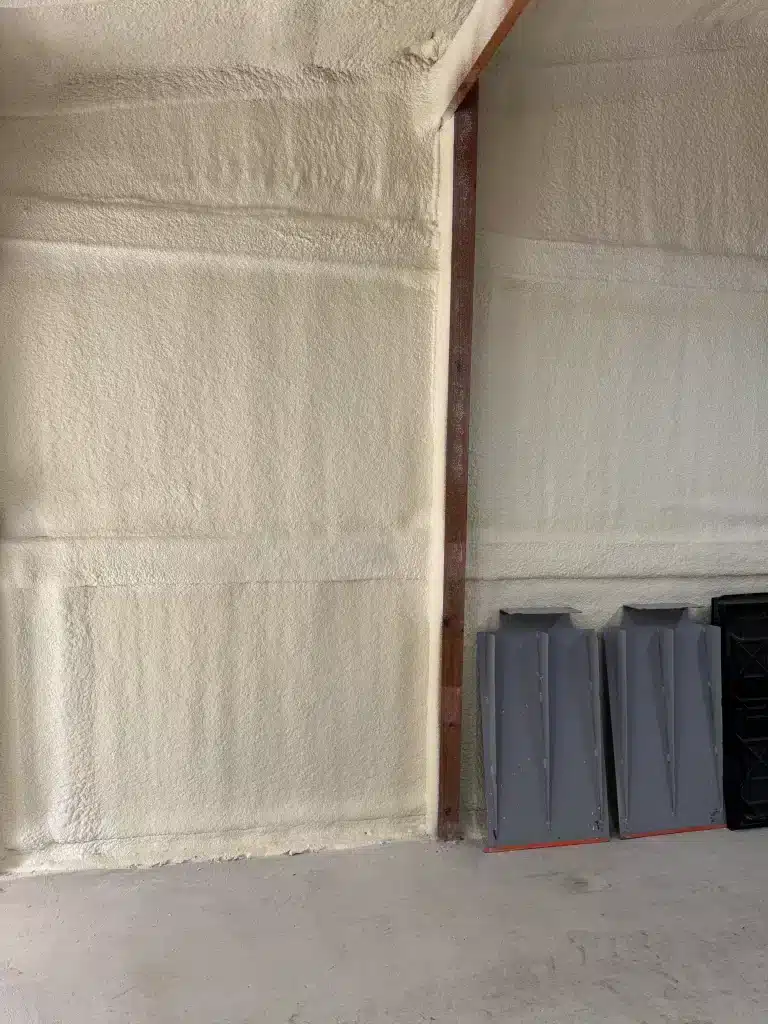
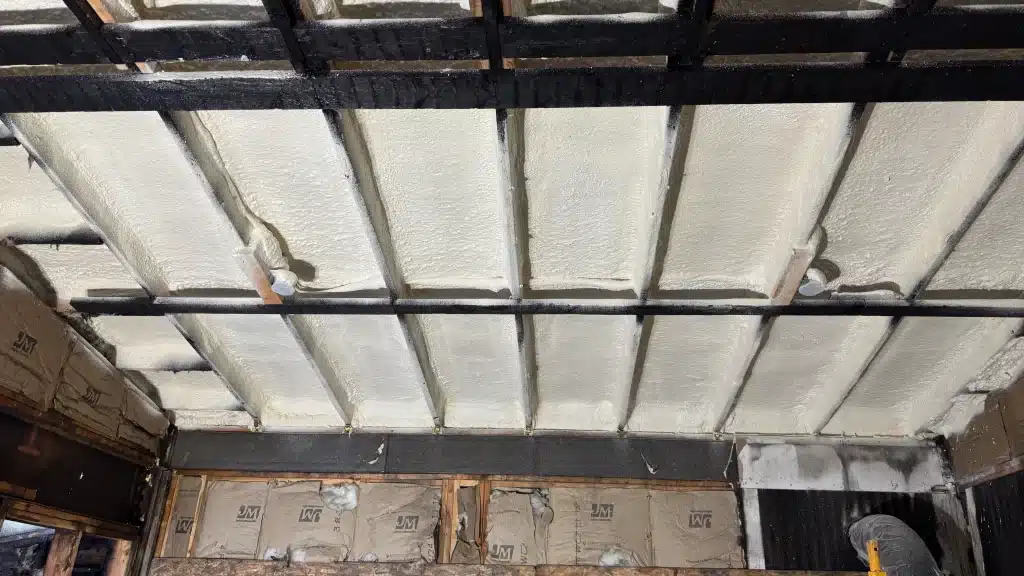
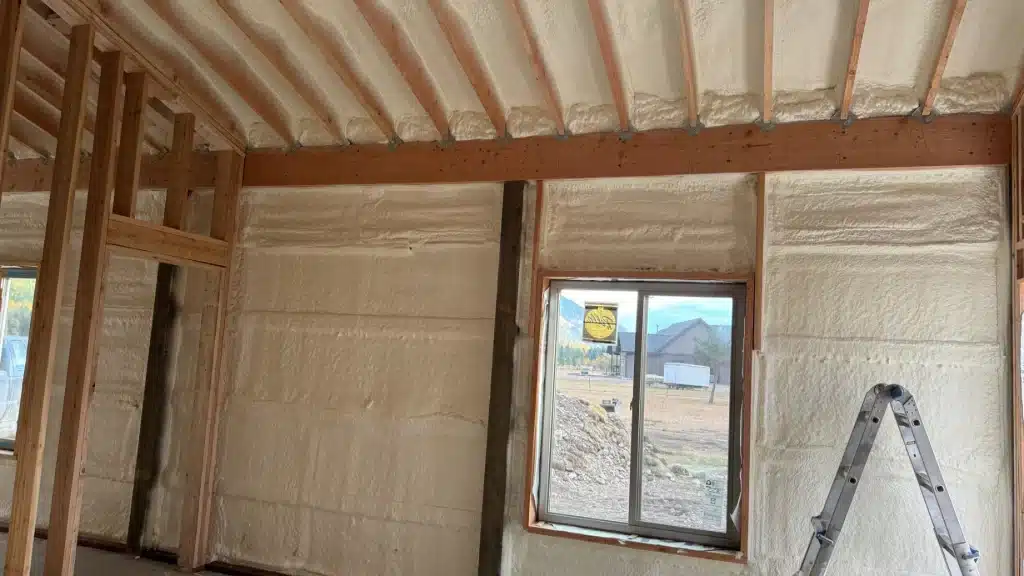
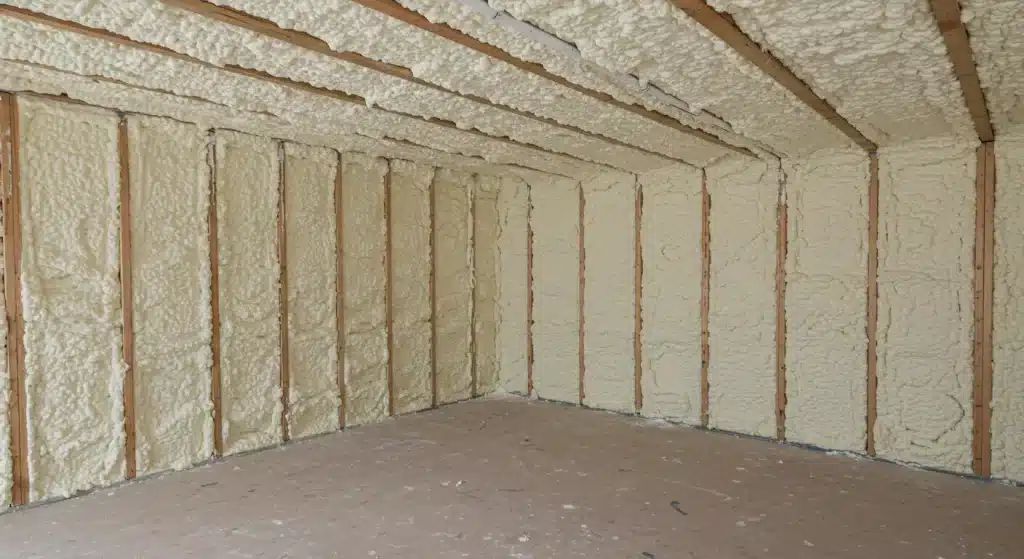
An insulation material’s total R-value is determined by two things: its intrinsic thermal resistance and its thickness. Some materials are naturally better at resisting heat transfer than others. For example, closed-cell spray foam has a much higher R-value per inch than traditional fiberglass. To achieve a total R-value of R-38 in an attic, you would need a thicker layer of fiberglass than you would of spray foam.
Recommended R-Values for the Clovis Area
Clovis is located in California’s Climate Zone 3, which has specific insulation recommendations. A report from the U.S. Department of Energy provides clear guidelines for homes in our region to maximize energy efficiency. Following these recommendations is key to managing the high cooling costs associated with Central Valley summers. California residents already face some of the highest electricity rates in the nation, according to data from the U.S. Energy Information Administration, making proper insulation a sound financial decision.
Here are the target R-values for retrofitting an existing home in the Clovis area:
| Home Area | Recommended R-Value | Common Insulation Used |
|---|---|---|
| Attic | R-38 to R-60 | Blown-in Fiberglass, Cellulose, Spray Foam |
| Walls (with 2×4 studs) | R-13 to R-15 | Spray Foam, Fiberglass Batts |
| Walls (with 2×6 studs) | R-19 to R-21 | Spray Foam, High-Density Batts |
| Floors & Crawl Spaces | R-19 to R-30 | Spray Foam, Fiberglass Batts |
Bonus Tip: Don’t forget about air sealing. Gaps and cracks around windows, pipes, and light fixtures can undermine even the best insulation. Sealing these leaks before or during an insulation upgrade ensures you get the full benefit of the installed R-value.
Comparing Insulation Materials and Their R-Values
The type of insulation you choose directly impacts the final R-value and overall performance. Each material offers a different R-value per inch and comes with its own set of advantages.
| Insulation Material | Average R-Value (Per Inch) | Key Characteristics |
|---|---|---|
| Open-Cell Spray Foam | R-3.5 to R-3.8 | Excellent air barrier, great for sound dampening, flexible. |
| Closed-Cell Spray Foam | R-6.0 to R-7.0 | High R-value, acts as an air and vapor barrier, adds structural rigidity. |
| Fiberglass Batts | R-2.9 to R-3.8 | Inexpensive, widely available, can lose value if compressed. |
| Blown-In Fiberglass | R-2.2 to R-2.9 | Fills irregular spaces well, can settle over time. |
| Cellulose | R-3.2 to R-3.8 | Made from recycled paper, good at filling cavities, can absorb moisture. |
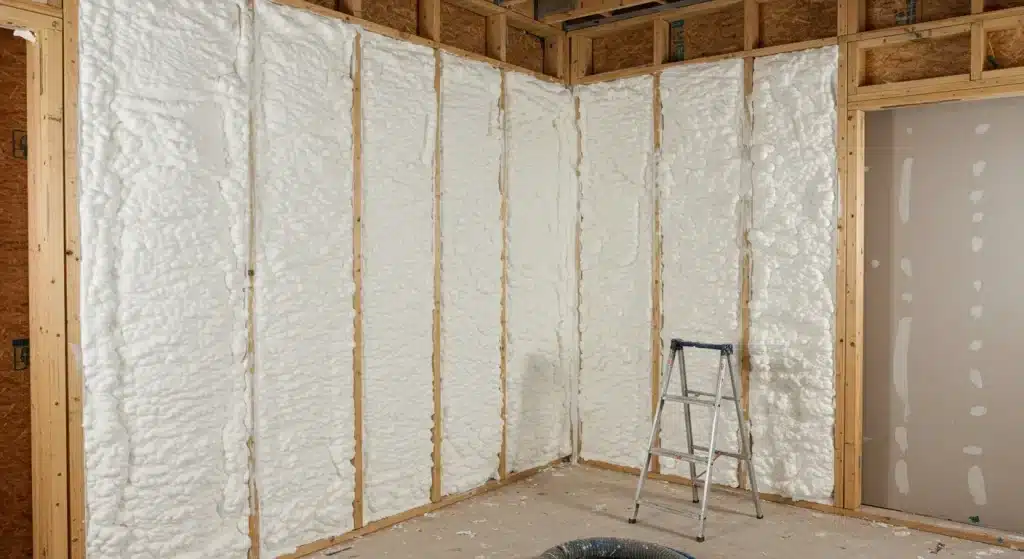
As the data shows, closed-cell spray foam provides the highest R-value for its thickness, making it an excellent choice for areas where space is limited, like wall cavities. Open-cell spray foam, while having a lower R-value, is a fantastic air sealant, which stops energy loss from air leakage. According to an industry guide from the Spray Polyurethane Foam Alliance, creating an effective air barrier is a primary function of spray foam insulation.
Things to Consider Before Making a Decision
Choosing the right insulation involves more than just picking the highest R-value. Several practical factors will influence your decision.
- Project Type: Is this for a new construction project or a retrofit in an existing home? Access is much easier in new builds, making some options more cost-effective. For existing homes with finished walls, blown-in insulation or injection foam may be the only feasible choices without major demolition.
- Location in the Home: An attic has different requirements than a crawl space. Attics need high R-values to combat direct sun exposure. Crawl spaces benefit from insulation that can handle potential moisture, making closed-cell spray foam a strong contender.
- Budget vs. Long-Term Value: While some materials like fiberglass have a lower upfront cost, high-performance options like spray foam can deliver greater energy savings over the life of your home. They also provide benefits like air sealing and moisture control that other materials do not.
- Air and Moisture Control: Heat transfer isn’t the only source of energy loss. Air leakage can account for a significant portion of a home’s heating and cooling costs. Closed-cell spray foam is the only common insulation that acts as an all-in-one thermal, air, and vapor barrier, which can simplify construction and improve durability.
Bonus Tip: Before investing in new insulation, consider a professional energy audit. An audit uses tools like blower doors and infrared cameras to pinpoint exactly where your home is losing the most energy. This data helps you make an informed decision and invest your money where it will have the biggest impact.
Frequently Asked Questions About Home Insulation
What is the difference between R-value and U-factor?
R-value measures thermal resistance (the ability to block heat), so a higher number is better. U-factor, which is often used for windows and doors, measures thermal transmittance (the rate of heat transfer). For U-factor, a lower number is better.
How does climate affect the R-value I need?
Your climate zone is the single most important factor. A home in a cold climate like Minnesota needs a much higher R-value to prevent heat loss in winter than a home in a hot climate like Clovis. Our recommendations are tailored specifically for the heat-dominant Central Valley climate.
Why is attic insulation so important in Clovis?
The sun beats down on your roof all day, turning your attic into an oven. Without adequate insulation, that intense heat radiates directly into your living spaces below. A well-insulated attic is the most effective way to keep your home cool and reduce AC runtime.
Does adding more insulation always save more money?
Not necessarily. There is a point of diminishing returns. For example, going from R-19 to R-38 in an attic will produce significant savings. But increasing it further from R-49 to R-60 will save much less, and the installation cost may not be recovered for many years. It’s about finding the right balance for our climate.
Ready to Improve Your Home’s Comfort?
Choosing the right insulation and R-value is a critical decision for your home’s long-term comfort and energy efficiency. Evaluating your current insulation, understanding your home’s specific needs, and considering the unique demands of the Clovis climate will guide you toward the best solution. For a professional assessment tailored to your property, contact Supreme Spray Foam Fresno. You can reach the team by phone at (559) 545-0800 or by email at [email protected] to discuss your project.
Sources
- U.S. Department of Energy – Provides official recommendations for insulation levels by climate zone across the United States.
- U.S. Energy Information Administration – Offers state-by-state data on residential electricity prices, confirming California’s high rates.
- Spray Polyurethane Foam Alliance – An industry organization that offers technical details and best practices for using spray foam insulation.