
Adding more insulation layers over existing material often seems like a simple fix, but this approach can create hidden problems that reduce energy efficiency and cause long-term damage. Simply piling on new insulation without addressing underlying issues traps moisture, creates air gaps, and masks structural problems that need attention. In many cases, complete removal and proper replacement deliver better results than layering over compromised insulation.
This article explains why the “more is better” approach frequently backfires and provides practical guidance for making smart insulation decisions. Drawing from years of field experience, Supreme Spray Foam Fresno has seen firsthand how improper layering leads to costly problems that proper planning could have prevented.
The Hidden Problems with Layering Insulation
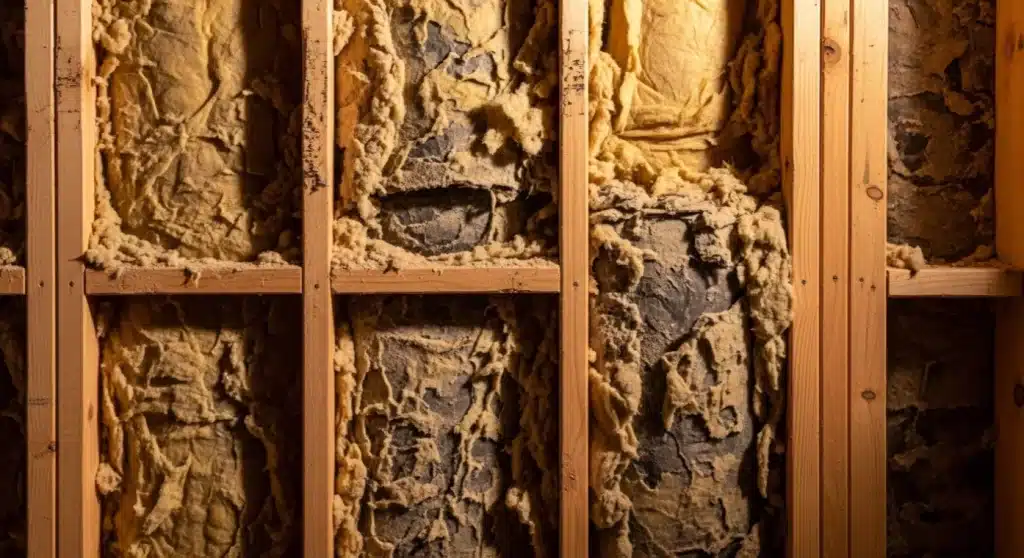
Moisture trapping stands as the most serious risk when adding new insulation over old material. If the existing insulation contains any moisture from leaks or condensation, adding another layer seals it in, creating perfect conditions for mold growth and wood rot. The trapped moisture also dramatically reduces the R-value of both insulation layers, effectively wasting money on materials that won’t perform as intended.
Air gaps between insulation layers create another significant problem. Different insulation types settle and compress at different rates, leaving voids where heat can transfer freely. These thermal bridges allow unwanted heat exchange regardless of how thick the insulation appears on paper. The cumulative effect of multiple air gaps can reduce overall performance by 25-40% according to field studies.
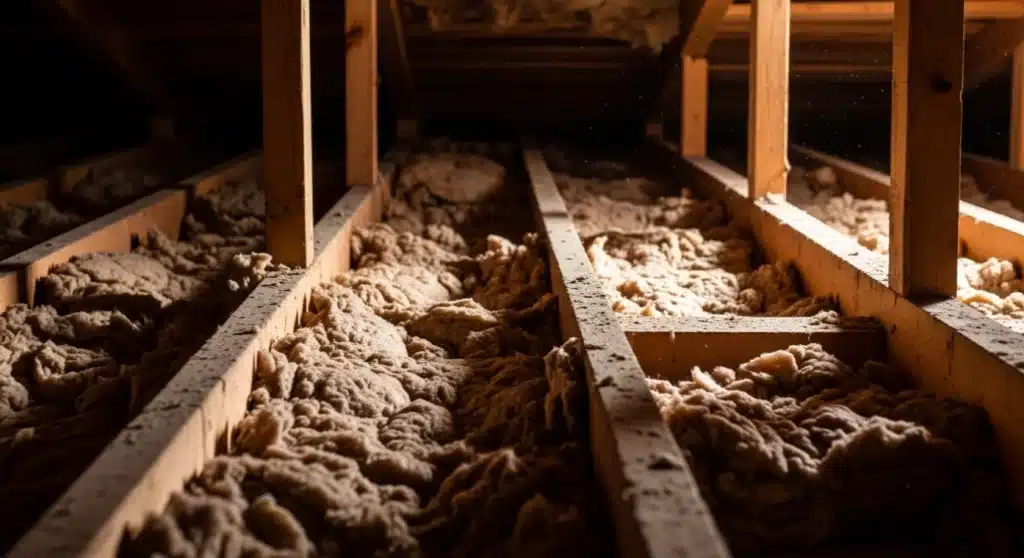
Compression issues compound these problems. Existing insulation in attics often compresses over time from foot traffic or the weight of stored items. Adding new layers on top doesn’t restore the compressed material’s R-value—it simply sits on top of insulation that’s already working at reduced capacity. This means you’re paying for performance you’re not getting.
When Adding Layers Actually Makes Sense
Despite the risks, there are specific situations where adding layers works effectively. The existing insulation must be clean, dry, and properly installed without gaps or compression. If these conditions are met, certain insulation types can be added successfully.
Blown-in cellulose or fiberglass often works well over existing loose-fill insulation of the same type. The materials settle together naturally without creating problematic air pockets. However, mixing different insulation types requires careful consideration. For example, adding spray foam over fiberglass can create moisture issues unless properly managed.
Bonus Tip: Before adding any new insulation, perform a thorough moisture check of the existing material with a moisture meter. Anything above 15% moisture content needs investigation before proceeding.
Common Issues in Existing Insulation
Understanding what’s happening beneath the surface helps determine whether layering is appropriate. Most homes with insulation problems show similar patterns that experienced contractors can quickly identify.
| Issue | Visual Signs | Impact on Performance | Recommended Action |
|---|---|---|---|
| Water Damage | Staining, compaction, mold spots | Up to 75% R-value loss | Remove and replace the affected area |
| Pest Infestation | Droppings, tunnels, chewed materials | Creates air gaps, contamination | Complete removal and pest control |
| Settling | Uneven depth, visible wood rafters | Reduced R-value in settled areas | Add material to achieve uniform depth |
| Improper Installation | Gaps around vents, missing coverage | Significant thermal bridging | Targeted correction or full replacement |
Pest damage presents a particularly challenging problem. Rodents and insects create tunnels and nests that compromise the insulation’s integrity. Simply covering this damaged layer with new material doesn’t solve the underlying issue, it just hides it. The pests often remain active, continuing to damage both insulation layers.
Bonus Tip: Check for “wind washing,” where air moves through insulation from soffit vents to ridge vents. This common issue dramatically reduces effectiveness and requires air sealing before adding any insulation.
Better Alternatives to Simply Adding Layers
Complete removal and replacement often delivers superior long-term value compared to layering. This approach allows for proper air sealing, inspection of the attic structure, and installation of modern, high-performance insulation systems.
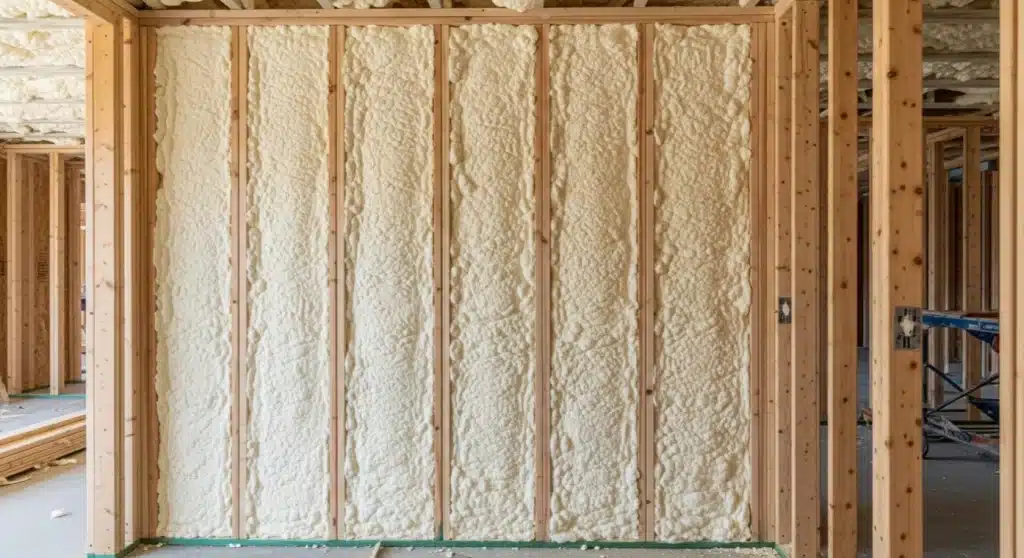
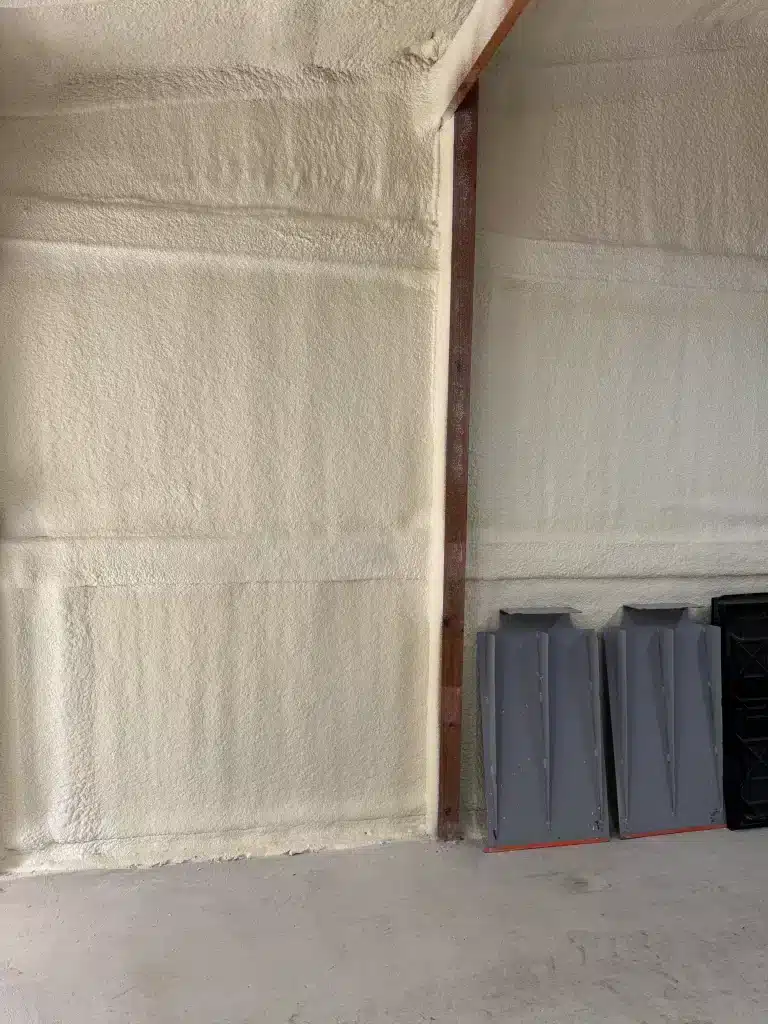
Spray foam insulation represents one effective alternative that addresses multiple issues simultaneously. It air seals while insulating, eliminating thermal bridges and moisture problems. While initially more expensive, spray foam typically pays for itself through reduced energy costs in 7-10 years according to industry data.
Dense-packed cellulose offers another strong option, especially when retrofitting existing homes. When installed at proper density, it resists settling and provides good air sealing properties. The material’s natural borate treatment also resists pests and mold, addressing common concerns with older insulation.
According to the U.S. Department of Energy, proper air sealing combined with insulation upgrades can save homeowners up to 15% on heating and cooling costs. However, these savings only materialize when the work is done correctly, rather than simply adding layers over problematic existing insulation.
Things to Consider Before Making a Decision
Several factors determine the best approach for your specific situation. Local climate plays a significant role in insulation decisions. In California’s Central Valley, where temperatures regularly exceed 100°F in summer and drop near freezing in winter, proper insulation performance matters year-round.
Key Decision Factors:
- Building age: Homes built before 1980 often have inadequate ventilation and vapor barriers Building Science Corporation.
- Current insulation type and condition: Different materials respond differently to layering
- Budget constraints: Sometimes partial solutions make sense, but cutting corners often costs more later
- Future plans: Major renovations offer opportunities for comprehensive solutions
- Local building codes: Requirements vary by jurisdiction and have changed significantly over time
Bonus Tip: Consider conducting a blower door test before making insulation decisions. This inexpensive assessment identifies air leakage problems that insulation alone cannot solve.
The condition of your roof decking matters too. If there are any signs of water damage or rot, adding insulation only delays necessary repairs and can worsen the problem by trapping moisture against vulnerable wood surfaces.
Regional Considerations for Central California
The Fresno area presents unique challenges that affect insulation decisions. The intense summer heat demands high R-values in attics, typically R-49 or higher for maximum efficiency. However, the dry climate means moisture control focuses more on condensation from air conditioning than external humidity sources.
Many Central Valley homes have inadequate attic ventilation, which becomes critical when adding insulation. The California Energy Commission requires specific ventilation ratios that older homes often lack. Without proper ventilation, adding insulation can cause roof shingle overheating and dramatically shorten their lifespan.
Local utility companies frequently offer rebates for insulation upgrades, but they often require professional installation and sometimes complete removal of old materials. Checking these programs before starting work can significantly impact the cost-benefit analysis of different approaches.
Final Considerations
The decision to add insulation layers over existing material requires careful evaluation of current conditions and long-term goals. While layering seems simple and cost-effective initially, it often masks problems that become more expensive to fix later.
The smart approach involves thorough inspection, moisture testing, and assessment of air sealing needs before deciding on layering versus removal. In the Central Valley’s climate, getting these details right makes the difference between energy savings and ongoing problems.
Evaluate your specific situation, honestly consider the age of your home, any visible problems with existing insulation, and your long-term plans for the property. Sometimes the cheaper option today creates bigger expenses tomorrow.
Professional Assessment Available
Supreme Spray Foam Fresno offers comprehensive insulation evaluations that help property owners make informed decisions about their options. Contact the team at [email protected] or call (559) 545-0800 to schedule an inspection. Getting expert advice before investing in insulation upgrades prevents costly mistakes and ensures maximum energy savings for your specific situation.
FAQS
Does adding insulation always reduce energy bills?
Not necessarily. If the new insulation has gaps, traps moisture, or covers existing problems, it might actually increase costs through reduced efficiency or damage to the building envelope.
How can I tell if my existing insulation is good enough?
Look for even coverage without gaps, check moisture levels with a meter, measure depth against current standards, and look for signs of pest activity or water damage.
What’s the biggest mistake homeowners make with insulation?
The most common error is adding insulation without first air sealing. Air leaks can reduce insulation performance by 30% or more, making the added insulation far less effective.
Is it ever worth just adding more insulation?
Yes, when existing insulation is clean, dry, properly installed, and just insufficient for current energy codes. In these cases, adding the right type of insulation makes financial sense.
How do I find hidden moisture problems?
Professional infrared thermography can identify temperature differences that indicate moisture problems. Also, look for water stains, compressed areas, or musty odors during visual inspection.
Sources
- U.S. Department of Energy – Information on energy savings from proper air sealing and insulation upgrades
- California Energy Commission – Building ventilation requirements and insulation standards for California
- Building Science Corporation – Research on insulation performance, moisture management, and common installation problems