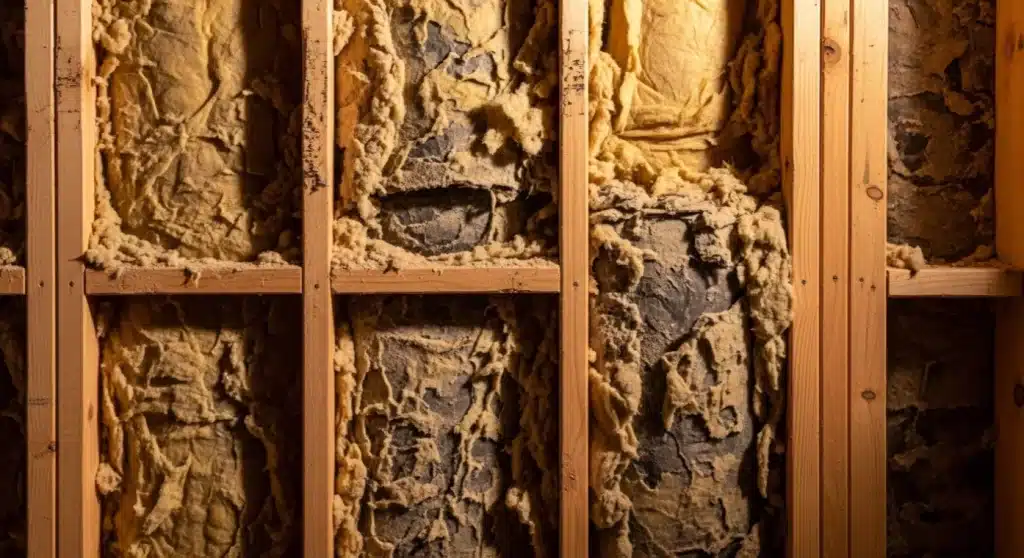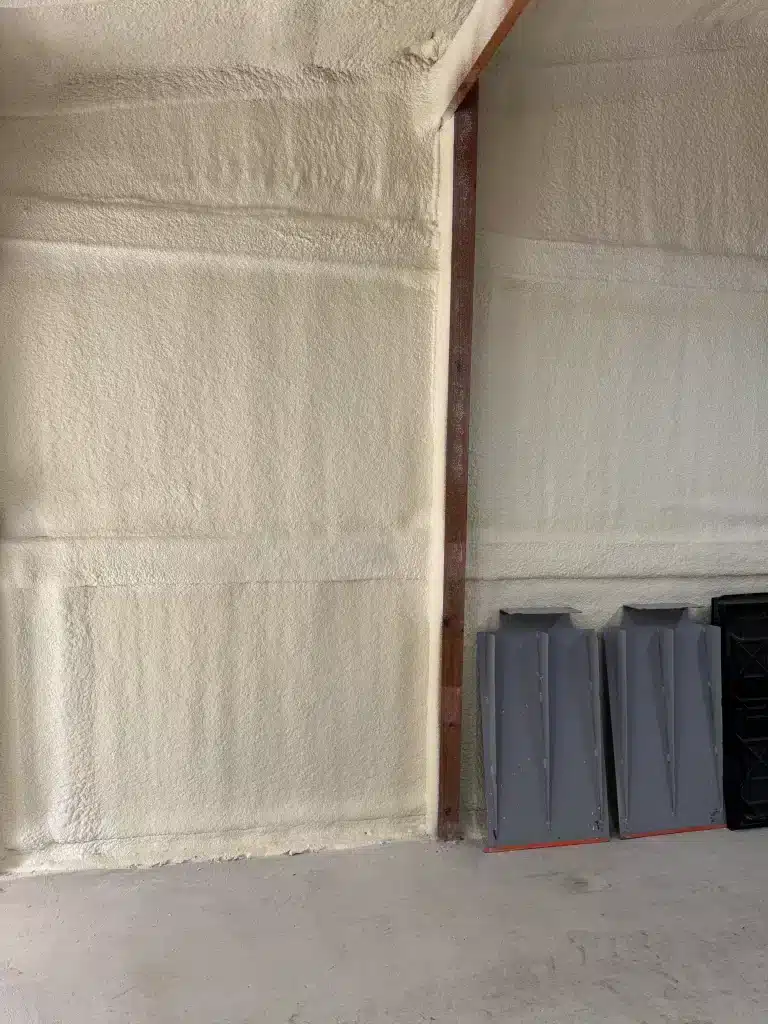

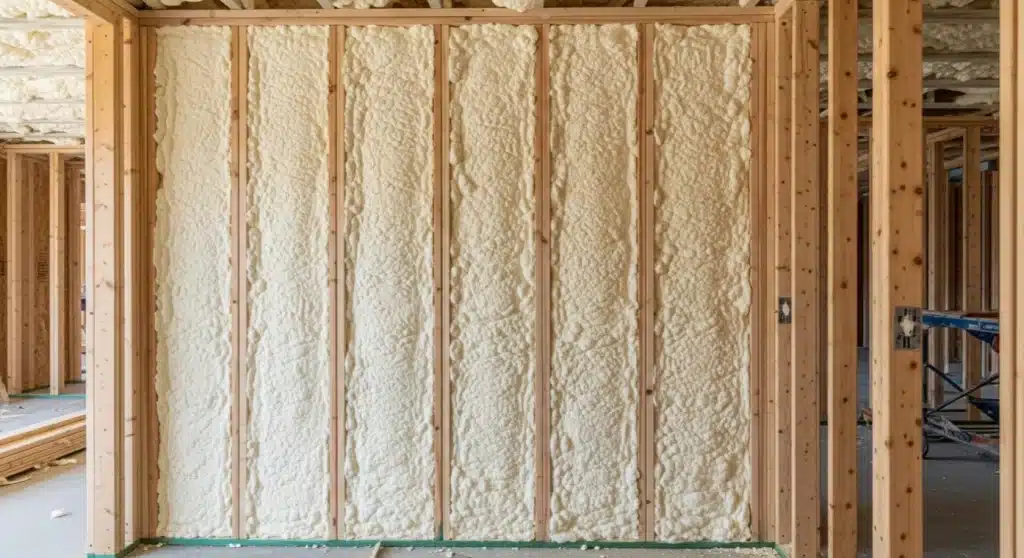
Spray foam insulation outperforms fiberglass batts primarily because it creates an air-tight seal that eliminates gaps and cracks where air can escape, while fiberglass only slows heat transfer through its thickness but allows air to pass through. This fundamental difference means spray foam provides superior thermal performance, moisture resistance, and overall energy efficiency in most applications. The information below breaks down exactly why spray foam delivers these better results and what homeowners should know when choosing between these insulation options.
The effectiveness comparison comes from years of field experience installing both systems across various climates and building types. Understanding these differences helps property owners make informed decisions about their insulation investments rather than relying on marketing claims.
Performance Comparison
Spray foam insulation offers measurable advantages over fiberglass in several key areas. The most significant is its ability to prevent air movement through the building envelope. According to research from the U.S. Department of Energy , air sealing accounts for up to 40% of a home’s heating and cooling energy loss, something spray foam addresses directly that fiberglass cannot.
Thermal Resistance Differences Spray foam maintains its R-value better over time because it doesn’t settle, compress, or absorb moisture. Closed-cell spray foam typically provides R-6 to R-7 per inch, while fiberglass offers R-2.2 to R-3.8 per inch. This means you need significantly more fiberglass to achieve the same insulation level as spray foam.
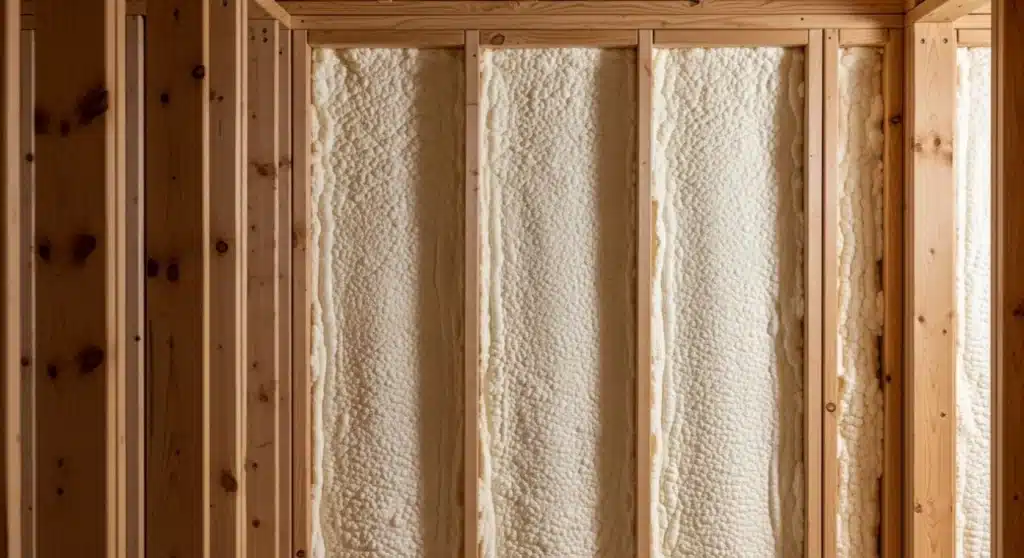
Air Barrier Properties. Unlike fiberglass, which must be installed perfectly with no gaps to perform well, spray foam expands to fill every cavity, crack, and opening. This comprehensive air sealing reduces convective heat loss and prevents drafts that fiberglass allows. Professional installers see this difference daily when performing energy audits – homes with spray foam consistently show fewer air leaks in blower door tests.
Material Performance Table
| Feature | Spray Foam | Fiberglass Batts |
|---|---|---|
| Air Sealing | Excellent – creates an air barrier | Poor – allows air movement |
| R-Value per Inch | 6.0-7.0 (closed cell) | 2.2-3.8 |
| Moisture Resistance | High (closed cell) | Low – promotes mold growth |
| Lifespan | 80+ years | 10-20 years |
| Installation Quality | Less dependent on installer skill | Highly dependent on installer skill |
Installation Process Differences
The installation methods for these insulation types differ dramatically, affecting their final performance. Spray foam requires specialized equipment and trained technicians who understand proper mixing ratios, application temperatures, and expansion rates. Fiberglass installation seems simpler, but achieving optimal performance requires meticulous cutting and fitting around obstacles.
Installation Quality Factors Supreme Spray Foam Fresno has observed that fiberglass installations rarely achieve their rated R-value in real-world conditions due to compression around wiring, plumbing, and electrical boxes. Even small gaps around these penetrations can reduce overall effectiveness by 25% or more. Spray foam eliminates these problems by flowing around and sealing all penetrations automatically.
Bonus Tip
When considering spray foam installation, check that the contractor uses thermal imaging during the process. This technology helps identify missed spots or thin areas before the foam cures, ensuring complete coverage.
Long-Term Benefits
The advantages of spray foam extend beyond immediate energy savings to include improved indoor air quality, reduced allergen infiltration, and better humidity control. These benefits compound over time, making spray foam often more economical over the building’s lifetime despite higher initial costs.
- Moisture Management: Closed-cell spray foam acts as a vapor barrier, preventing moisture from migrating through walls and causing mold growth or structural damage. Fiberglass can absorb moisture, losing insulation value and potentially creating hidden mold problems behind walls. This is particularly important in humid climates like many parts of California.
- Structural Benefits: Closed-cell spray foam adds structural strength to walls. A study from the Spray Polyurethane Foam Alliance shows it can increase wall racking strength by up to 300%, providing resistance to wind and seismic forces. Fiberglass offers no structural contribution.
Cost Considerations
Initial installation costs differ significantly between these options. Spray foam typically costs 2-3 times more per square foot than fiberglass. However, life-cycle cost analysis often shows that spray foam provides better value over time.
The global spray foam insulation market is expected to reach billions by 2028, according to market research from Fortune Business Insights, indicating growing recognition of its benefits despite higher costs.
Energy Savings Homes insulated with spray foam typically see a 30-50% reduction in heating and cooling costs compared to uninsulated homes, and 15-30% savings compared to homes with fiberglass insulation. These savings compound year after year, often paying for the insulation upgrade within 5-7 years in many climates.
Things to Consider Before Making a Decision
Choosing the right insulation involves evaluating several factors beyond just cost and R-value. Local climate conditions, building construction, and long-term plans all play important roles in the decision-making process.
Climate-Specific Considerations In Fresno’s hot, dry climate with significant temperature swings between day and night, spray foam’s air sealing properties provide particular value. The ability to prevent daytime heat infiltration and nighttime heat loss reduces HVAC cycling and maintains more stable indoor temperatures.
Bonus Tip
For homes in moderate climates, consider hybrid approaches using spray foam in critical areas like attics and crawl spaces while using less expensive options in interior walls where thermal performance matters less.
Building Age and Condition Older homes often have more air leakage opportunities that make spray foam particularly valuable. However, these homes may also require additional preparation work, like air sealing, before insulation installation. New construction allows for optimal application techniques but may have stricter budget considerations.
Final Thoughts
The choice between spray foam and fiberglass ultimately depends on your specific situation, budget, and long-term goals. Spray foam offers superior performance, air sealing, and moisture control but comes at a higher initial cost. Fiberglass provides basic insulation at a lower price point but cannot match spray foam’s comprehensive protection against heat transfer and air movement.
For the best results, evaluate your home’s specific needs, climate conditions, and how long you plan to stay in the property. The energy savings and comfort benefits of spray foam often justify the investment, especially in extreme climates or for homeowners planning long-term stays.
Ready to Improve Your Home’s Insulation
For homeowners in Fresno looking to upgrade their insulation, Supreme Spray Foam Fresno provides professional spray foam installation services. The company offers consultations to determine the best insulation solution for your specific needs and budget. Contact Supreme Spray Foam Fresno at [email protected] or call (559) 545-0800 to schedule an assessment. Experienced technicians can help you understand how spray foam insulation can reduce your energy bills while improving home comfort.
FAQS
How long does spray foam insulation last?
Spray foam insulation can last the lifetime of your building without degradation. Unlike fiberglass, which can settle and lose effectiveness over 10-20 years, properly installed spray foam maintains its properties for 80+ years.
Can homeowners install spray foam themselves?
DIY spray foam kits are available for small projects, but professional installation is recommended for whole-home applications. The specialized equipment and technical knowledge required for proper mixing and application make professional installation the safer choice.
Does spray foam attract pests?
No, spray foam is not a food source for pests, and its closed-cell structure doesn’t provide nesting material. Some types even contain additives that make it unappetizing to insects and rodents.
Will spray foam make my house too tight?
Modern homes built with spray foam are designed to be tight but still include controlled ventilation systems. This actually improves indoor air quality by filtering and controlling air exchange rather than allowing uncontrolled infiltration.
Is spray foam environmentally friendly?
While the chemicals are petroleum-based, spray foam’s energy-saving benefits offset its environmental impact over time. Many manufacturers now use renewable content and low-GWP blowing agents to reduce environmental impact.
Sources
- U.S. Department of Energy – Information on air sealing and its impact on energy efficiency
- Fortune Business Insights – Market research data on the spray foam insulation industry
- Spray Polyurethane Foam Alliance – Technical data on spray foam properties and performance characteristics