

Supreme Spray Foam Fresno provides Spray Foam Insulation Solutions in Parkwood, CA for homeowners, builders, and commercial property owners seeking better control over indoor temperatures and building performance. With 10 years of industry experience, the company offers residential and commercial insulation options, including open-cell and closed-cell spray foam, attic insulation, crawl space applications, and repairs. Choosing the right insulation depends on the building’s structure, existing insulation, air leakage, and intended use. Whether you are planning a new construction project or improving an existing property, the right approach starts with understanding your insulation needs. Call (559) 545-0800 to discuss your project in Parkwood.
Parkwood experiences the hot, dry summers and cooler winters typical of California’s San Joaquin Valley. NOAA’s 1991–2020 climate normals for nearby Madera Municipal Airport show average daily maximum temperatures of 97.7°F in July and 56.9°F in January, highlighting the substantial seasonal temperature difference (NOAA climate data). These conditions make attic heat transfer, air leakage, and insulation performance practical considerations for local homeowners and building managers.
Parkwood, CA also has an agricultural setting, as documented in Madera County’s housing and community planning materials, making it relevant to consider insulation needs across residential properties and buildings serving local work activities. During summer, poorly insulated roof spaces and gaps around building components can allow unwanted heat to enter. During cooler months, insufficient insulation can contribute to heat loss. Properly selected Spray Foam Insulation can help reduce heat transfer and air leakage when installed in suitable locations with appropriate moisture and ventilation considerations.
Supreme Spray Foam Fresno offers insulation options for different building types, construction stages, and problem areas. The appropriate solution depends on the property’s design, existing materials, and performance goals.
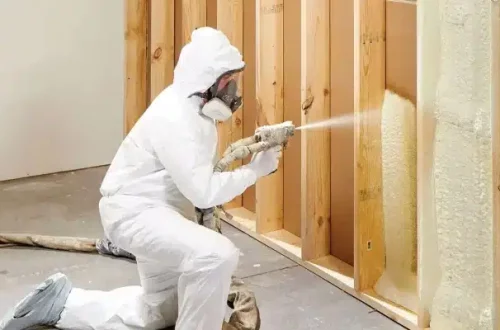
Residential spray foam insulation helps homeowners address heat transfer and air leakage in suitable wall, ceiling, and other building cavities. It can support more consistent indoor temperatures.
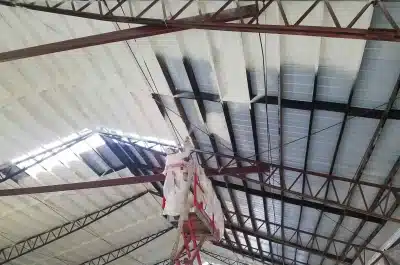
Commercial insulation is suited to eligible offices, workshops, and other commercial buildings. The application is selected according to the structure, occupancy, and insulation requirements.
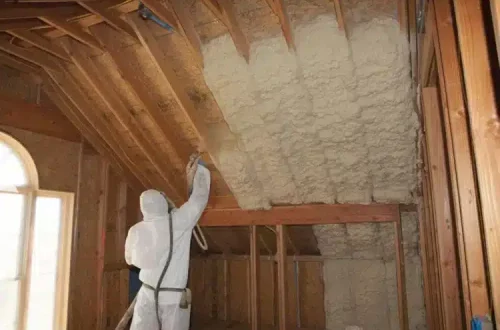
Open-cell foam expands into cavities to create a lightweight insulating layer. It can suit certain interior applications where air sealing and thermal performance are priorities.
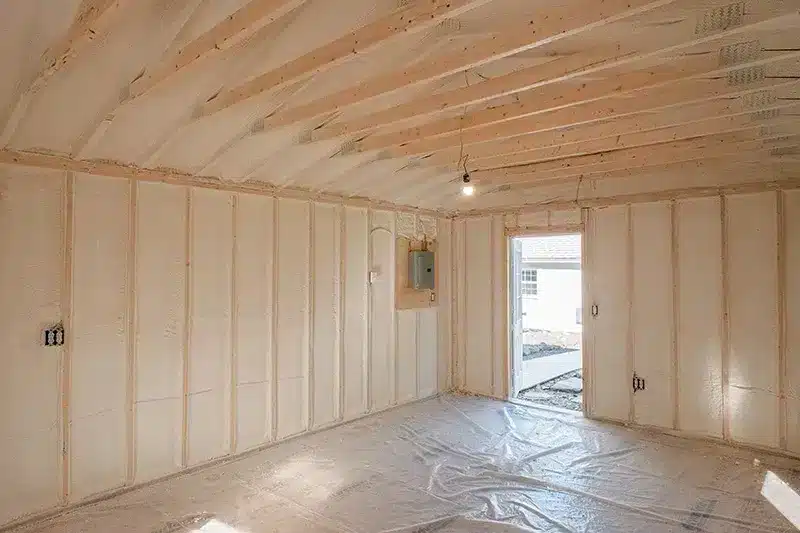
Closed-cell foam provides a denser insulating layer with a higher R-value per inch than open-cell foam. It may suit applications requiring additional insulation in limited space.
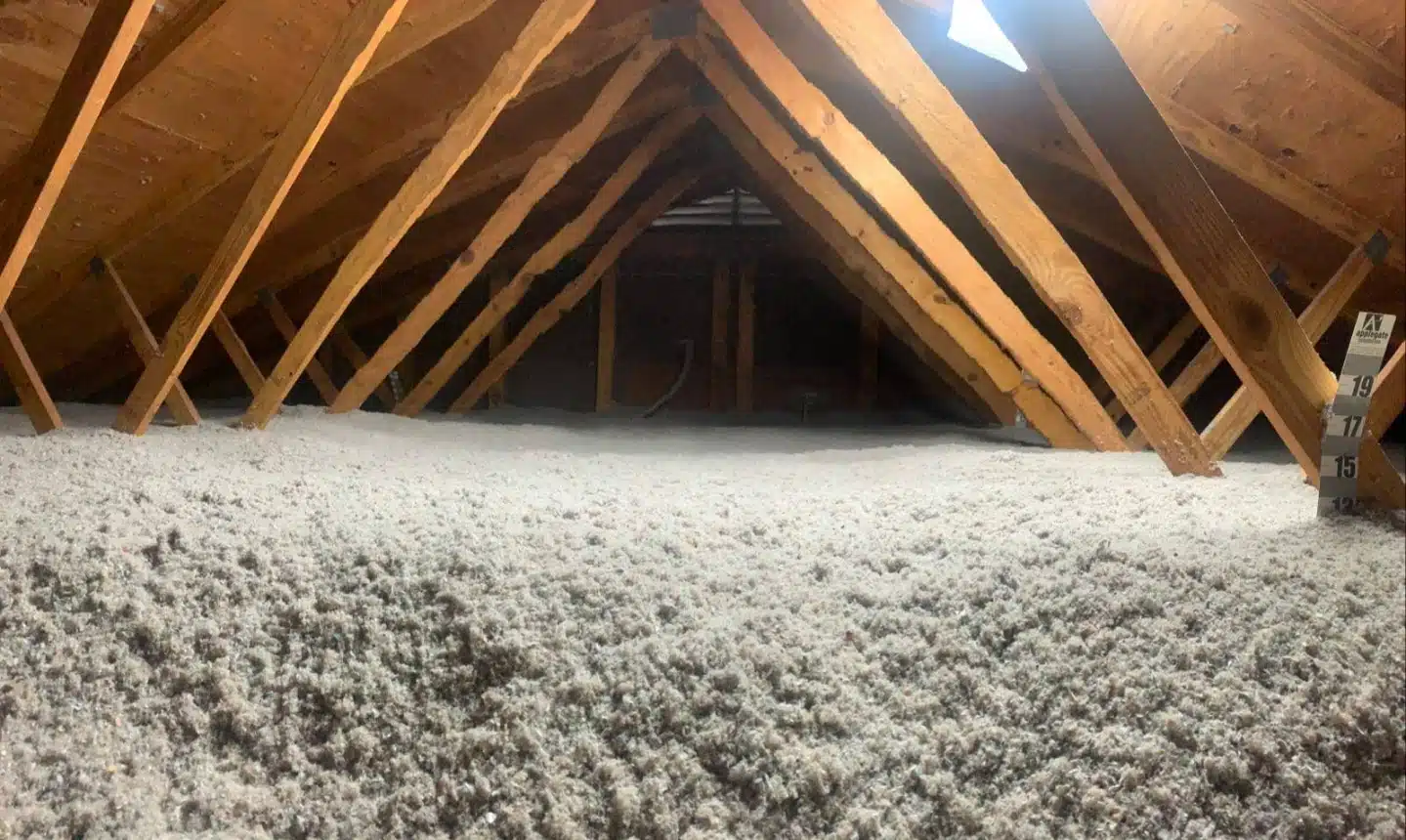
Attic insulation helps manage heat transfer through the roof area. An assessment can identify suitable coverage, existing insulation concerns, and relevant ventilation requirements.
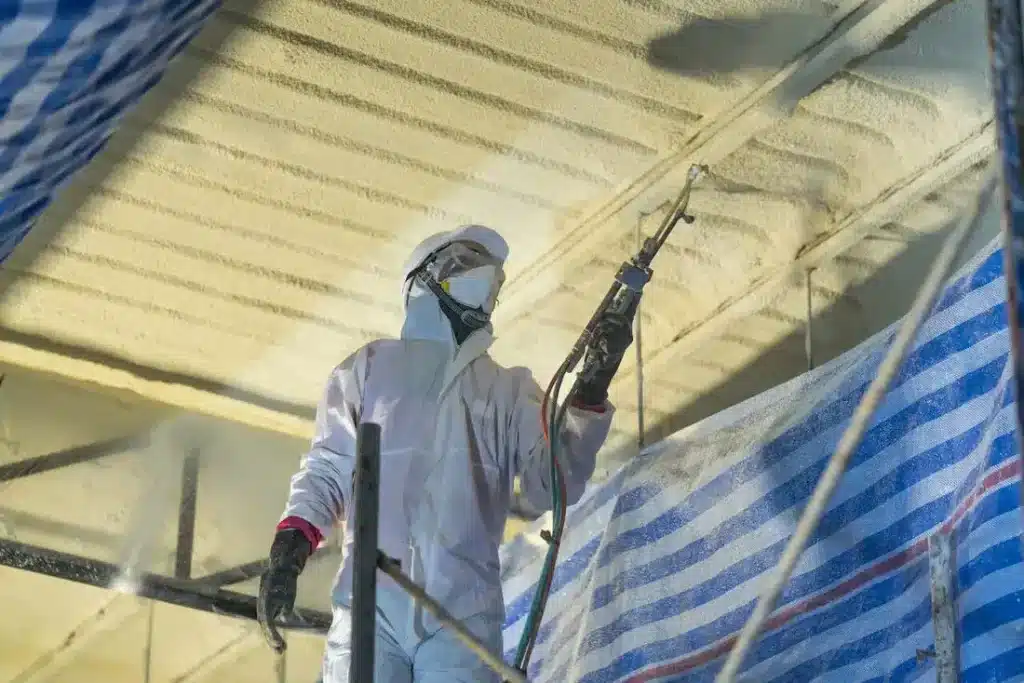
Spray foam repairs address damaged, missing, or poorly bonded insulation where repair is appropriate. The affected area should be assessed before replacement or patching begins.
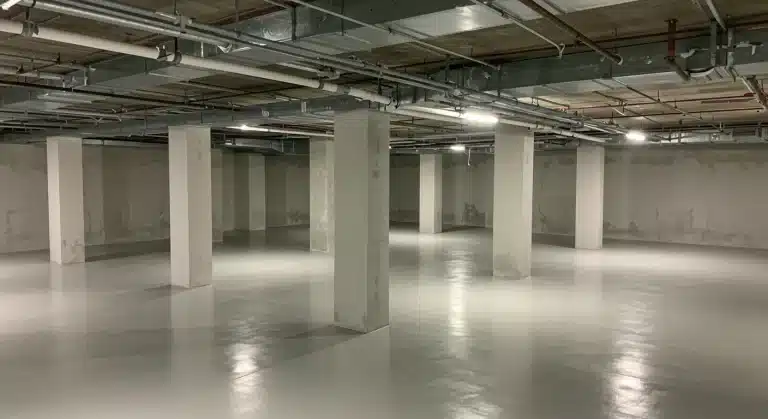
Crawl space insulation can reduce heat transfer through suitable floor assemblies. Moisture sources, access, and the building’s ventilation strategy should be considered before installation.
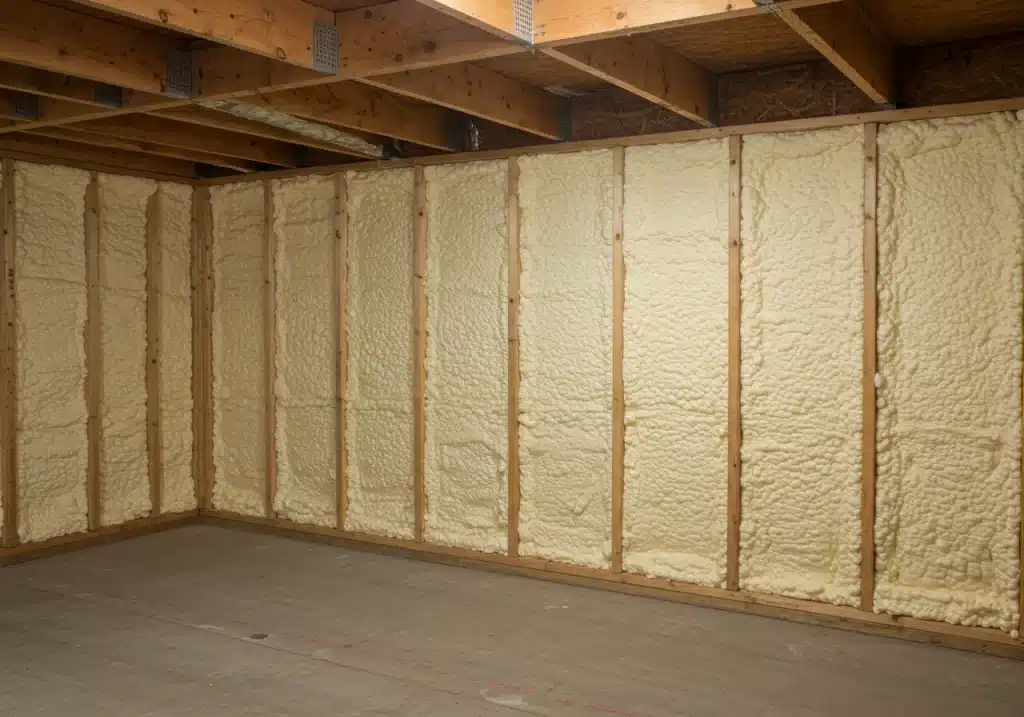
Home insulation services help identify opportunities to improve thermal performance in existing houses and new builds, considering the attic, walls, accessible cavities, and project priorities.
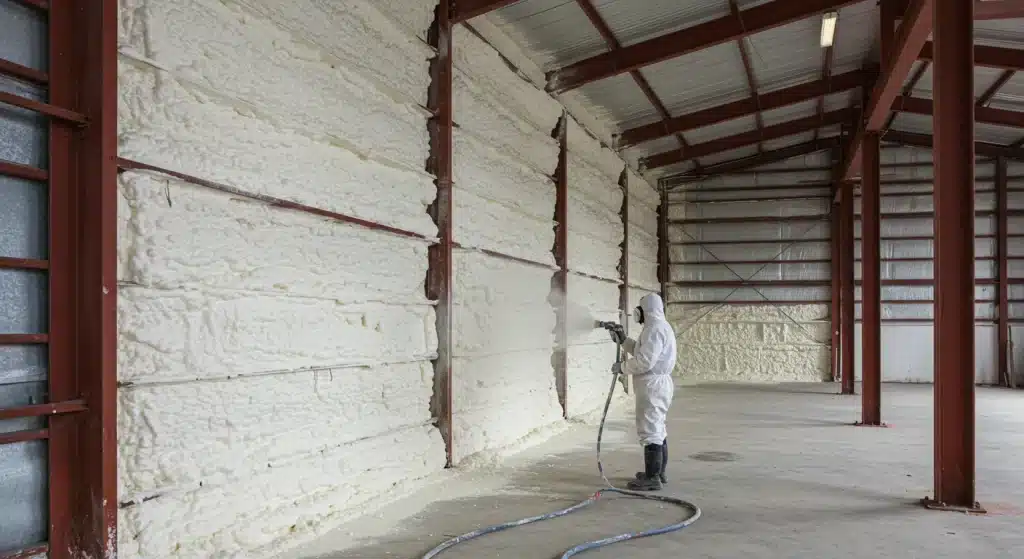
Commercial insulation services support building owners and spray foam contractors planning insulation for new construction or upgrades. Material selection depends on building use, assembly design, and applicable requirements.
Discuss your residential, commercial, attic, or crawl space insulation needs with Supreme Spray Foam Fresno. Call to explain your project and ask about the next steps. Call (559) 545-0800 to discuss the work and request a quote.
Explain your property type, insulation concerns, and whether the project involves new construction, an upgrade, or a repair.
Be prepared to share the building’s approximate size, the areas needing insulation, and any known access limitations.
Describe hot rooms, noticeable drafts, or damaged insulation so the relevant areas can be considered.
Ask which foam type and application may suit your building assembly, available space, and intended performance.
Find out what access, surface preparation, occupant arrangements, and ventilation considerations may apply before work.
Clarify the proposed scope, estimate arrangements, scheduling, and any information needed before deciding to proceed.
The precise workflow depends on the property and service requested. A typical project can involve the following stages, with the details confirmed for the individual job.
Determine whether the project concerns an attic, wall cavity, crawl space, commercial structure, or existing insulation repair.
Review accessible surfaces, cavity dimensions, existing materials, moisture concerns, and relevant ventilation requirements to establish suitability.
Select an appropriate foam type, target thickness, and coverage based on the building design and project requirements.
Address required access, surface preparation, occupant protection, and arrangements for safe application before spraying begins.
Install the selected material under suitable conditions, following applicable product instructions and project specifications.
Check accessible coverage and finish, discuss any remaining work, and clarify applicable curing, ventilation, and re-entry instructions.
Supreme Spray Foam Fresno offers several insulation service categories for residential and commercial projects, backed by the supplied information of 10 years of industry experience. Customers can discuss their building requirements and determine which service is appropriate before committing to an installation.
Industry experience provides a foundation for discussing different insulation applications, building requirements, and project considerations.
Available services include open-cell and closed-cell foam, attic and crawl space insulation, and spray foam repairs.
Appropriate material selection, surface preparation, coverage, and attention to moisture and ventilation requirements all matter to the finished installation.
Homeowners, builders, and commercial property owners can inquire about insulation for different building types and project stages.
If summer heat is making your home uncomfortable or a commercial building needs an insulation upgrade, start by discussing the areas of concern and the type of structure. Contact Supreme Spray Foam Fresno at (559) 545-0800 or email [email protected] to discuss your requirements and request a quote.
Posted on GoogleTrustindex verifies that the original source of the review is Google. Posted on GoogleTrustindex verifies that the original source of the review is Google. Posted on GoogleTrustindex verifies that the original source of the review is Google. Posted on GoogleTrustindex verifies that the original source of the review is Google. Posted on GoogleTrustindex verifies that the original source of the review is Google. Posted on GoogleTrustindex verifies that the original source of the review is Google. Posted on GoogleTrustindex verifies that the original source of the review is Google. Posted on GoogleTrustindex verifies that the original source of the review is Google.
Yes, if the existing structure is suitable. Wall cavities, roof assemblies, wiring, moisture conditions, and ventilation should be evaluated before selecting an installation method.
Sometimes, but compatibility and the condition of existing materials matter. Moisture damage, contamination, roof ventilation, and the intended attic design should be assessed first.
Yes. The area may need cleaning, drying, masking, and protection of nearby components. Occupants should follow the installer’s product-specific ventilation and re-entry instructions.
Builders should consider the required thermal performance, framing depth, climate zone, assembly design, and applicable energy code. The foam manufacturer’s specifications also guide installation thickness.
Often, localized repairs are possible when surrounding foam remains suitable. The cause and extent of damage should be evaluated to determine whether patching or broader removal is necessary.