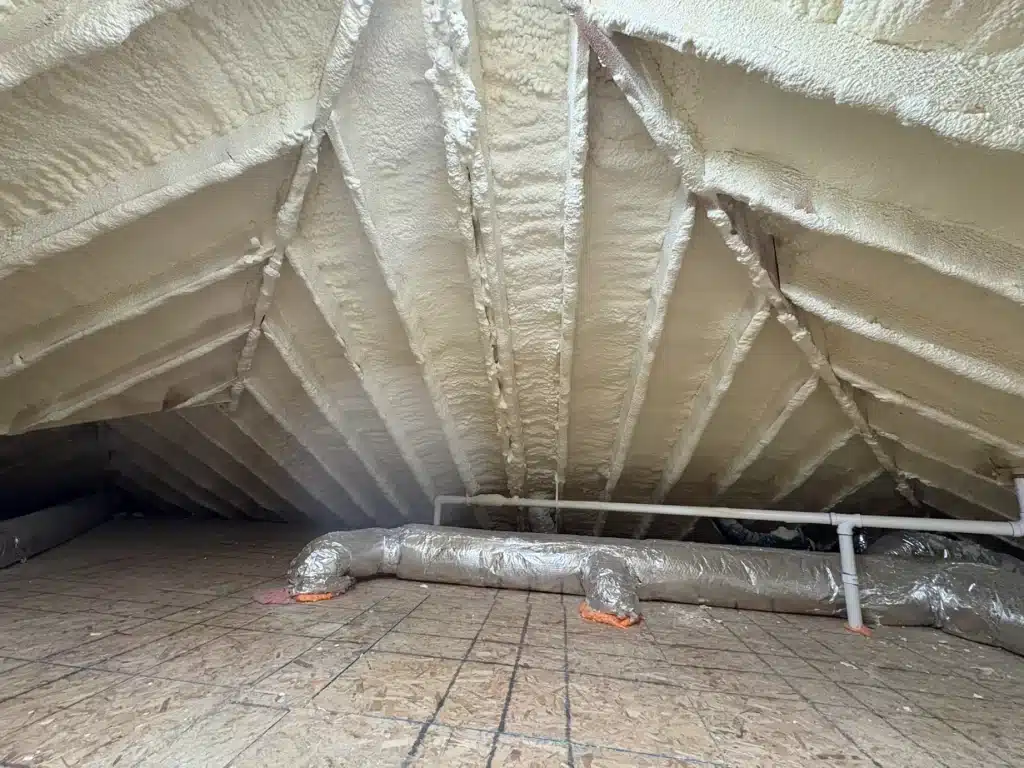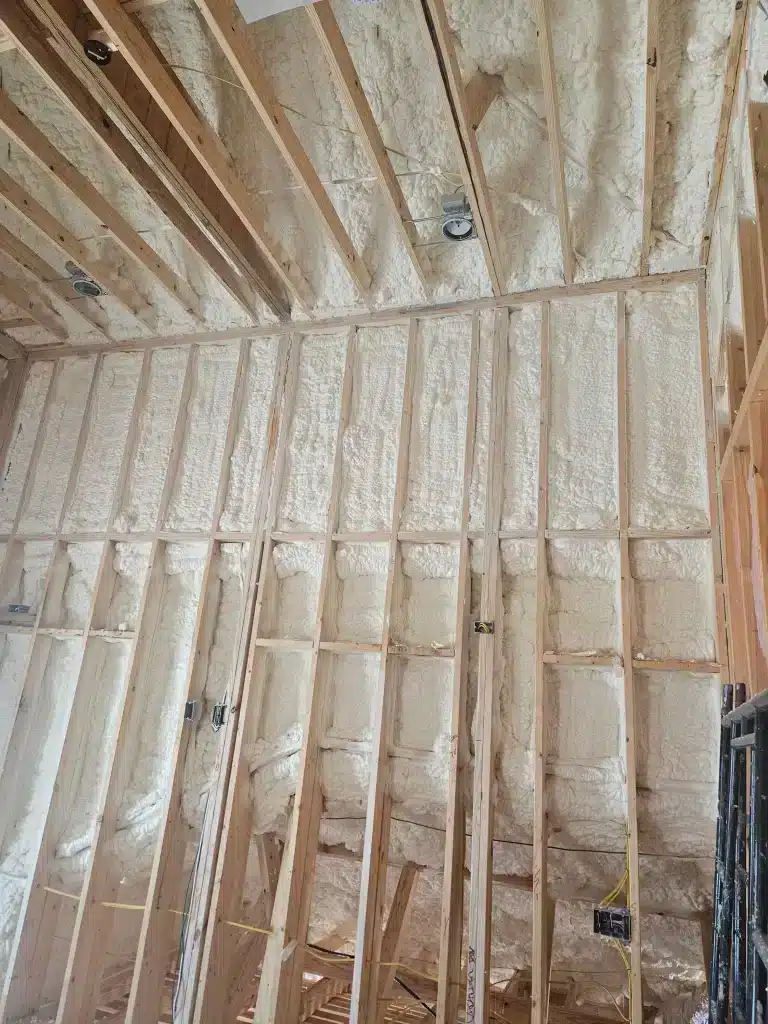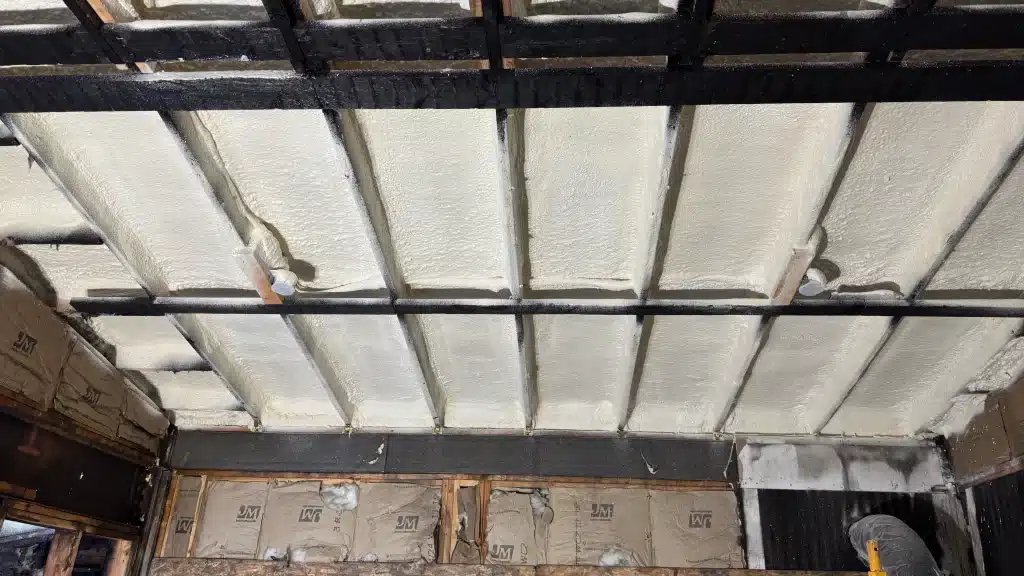


Fixing spray foam cracks involves removing loose debris and applying a fresh layer of foam or a flexible sealant to the gap. Most issues stem from house settling or temperature shifts, but a quick patch restores the airtight seal. Identifying these spots early prevents moisture buildup and keeps your home comfortable year-round.
Key Takeaways
- Seal small gaps early to prevent moisture from reaching your wall studs.
- Trim away old or dirty foam to ensure new material bonds properly.
- Use low-expansion foam for window and door repairs to avoid frame warping.
Understanding Why Spray Foam Might Crack
Homes move because the ground shifts and building materials expand. We find that even high-quality foam can pull away from wood if the house settles significantly over a few years.
When we look at attic repairs, we often see that the wood studs have dried out and shrunk. This creates a tiny gap between the timber and the insulation. While the foam itself is durable, it cannot always stretch enough to follow the movement of an older house. Data from the International Association of Certified Home Inspectors shows that most structural settling happens within the first few years, but seasonal changes keep things moving forever.
Environmental Factors in Fresno
The heat in Fresno puts a lot of stress on your attic insulation and walls. We notice that extreme temperature swings cause materials to shrink and grow throughout the day.
This constant movement can stress the bond between the foam and the structure. We look for these issues during routine inspections to catch them before they become big problems. In our experience, foam in unvented attics stays stable longer, but any area near a roof leak may see some foam pull away as the wood gets wet and then dries.
Small Gaps = Big Utility Bills
Air leaks through cracks can cause a significant drop in energy efficiency. We see homeowners losing up to 30% of their cooled air through tiny gaps in the foam.
A small crack might not look like much, but it acts like a straw sucking hot air into your home, and fixing these gaps is important because they force your air conditioner to work twice as hard. According to Energy.gov, sealing air leaks is one of the most effective ways to lower utility costs. By patching these spots, we help you keep your monthly bills under control.
Repair Options for Common Problems
We use different methods depending on the size and location of the crack. We want to make sure the fix is as permanent as the original spray.
| Repair Type | Best Used For | Typical Solution |
|---|---|---|
| Surface Cracks | Hairline gaps in the foam | Flexible polyurethane sealant |
| Structural Gaps | Foam pulling away from studs | Low-expansion foam injection |
| Damage from Pests | Holes or chewed sections | Full section replacement |
| Discoloration | UV damage or surface aging | Protective coating or paint |
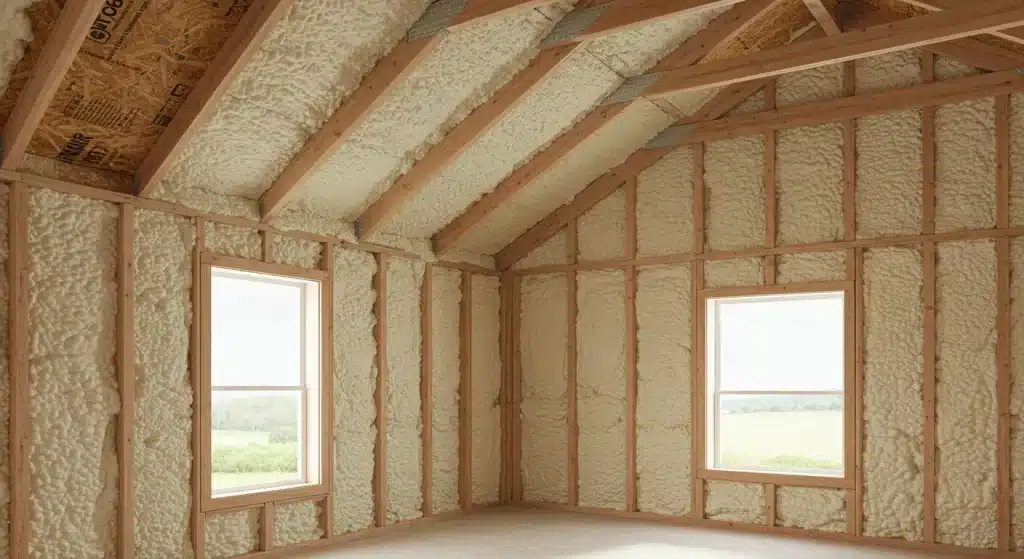
Step-by-Step Repair Guide for 2026
Modern tools make it easier to find leaks without tearing down your walls. We use thermal cameras to see exactly where the air is coming through the cracks.
- Identify the source of the movement first
- If a water leak caused the crack, fix the roof before working on the foam
- Never apply new material over a wet surface
- Skipping this step leads to failed repairs
- Do the prep work properly so every repair lasts over time
Prep the Surface
Cleaning the area is the first thing we do. New foam will not stick to dust, oil, or old, crumbly material.
We use a stiff brush or a vacuum to remove any loose bits. This ensures the repair lasts as long as the original installation. A study by the Spray Polyurethane Foam Alliance shows that surface preparation is the most important factor in a successful foam bond. If we skip this, the new foam will just peel off in a few months.
Remove Damaged Sections
If the foam is discolored or soft, it has to go. We use a sharp utility knife to cut out the bad parts.
We make sure to cut back to where the foam is still solid and firmly bonded to the studs, creating a clean pocket for the new material to fill. We often cut at an angle to increase surface area, allowing the new foam to bond more effectively. This “V” shape creates a much stronger patch than a flat cut, and open-cell spray foam insulation works especially well here because it expands evenly, adheres tightly to the existing foam, and forms a seamless, long-lasting seal.
Applying the New Foam
We fill the gap with fresh foam, starting from the back and moving forward. We do not overfill it, as the foam expands quickly.
If we are working on a small crack, we might use a professional-grade canned foam that matches the density of the existing material. We make sure the chemicals are at the right temperature so they react correctly. If the cans are too cold, the foam stays runny and does not expand enough to fill the void.
Final Trimming and Inspection
Once the foam is rigid, we trim the excess. We use a long serrated blade to get a flush finish.
We check our work with a smoke pen or a thermal tool to be sure the leak is gone. This final step confirms that the thermal envelope of your home is restored. We also check the surrounding foam to ensure our repair did not put excessive pressure on the existing layers.
Proper Maintenance for Long Life
Staying ahead of repairs saves you money over time. We recommend a quick visual check of your attic or crawlspace once a year to look for new gaps.
If you find a crack, do not wait for a draft to start. We can often patch a small area in less than an hour. Regular checks prevent the foam from pulling further away from the structure. We also check for any signs of pests that might have tried to burrow into the material. High-density foam is usually too tough for them, but it is always good to check.
Solutions for Common Foam Issues
Repairs are not just about filling holes. We want to restore the thermal barrier completely.
Handling Large Gaps
When we find a large gap, we often apply the foam in layers. This prevents the foam from overheating during curing.
We let each layer sit for a few minutes before adding the next one. This method creates a much stronger bond and prevents large air bubbles from forming inside the patch. Large bubbles can pop later, leaving you with the same air leak you started with.
Fixing Surface Discoloration
Sometimes the foam looks yellow or brown from sun exposure. While this does not always mean the foam is failing, it can make it brittle.
We scrape off the discolored layer and apply a protective coating. This is common in areas where the foam is near a window or an open vent. Protecting the surface keeps the foam flexible so it can handle the natural movement of your home.
If you need help with a repair or want an inspection, reach out to us at Supreme Spray Foam – Fresno. You can call us at (559) 545-0800 or email [email protected]. We are here to keep your Fresno home efficient and comfortable.
FAQs
Does spray foam crack over time?
Yes, it can crack if the building shifts or if the foam was not mixed correctly at the start. Small cracks are normal in homes that settle, but they should be sealed to maintain the air seal. We often see this in the corners of attic spa
Can you use spray foam to fill concrete cracks?
We use specialized high-density foam for concrete. It is different from the foam used in walls. It is strong enough to lift slabs and fill voids under driveways or garage floors. It resists water better than standard wall foam.
What is the strongest crack filler?
For foam repairs, a high-quality polyurethane sealant or more spray foam is the best choice. These materials bond to the existing foam and move with the house without breaking. We prefer polyurethane because it stays flexible for decades.
What causes spray foam to crack?
The main causes are house settling, extreme temperature changes, and off-ratio mixing. If the chemicals are not balanced, the foam becomes too brittle and breaks easily. We check the chemical ratio constantly during our installs to prevent this.
How do you seal spray foam?
We seal it by trimming it flush and then covering it with a vapor barrier or drywall. If it is exposed to light, we use a UV-resistant paint or coating to protect it from breaking down. This keeps the foam from becoming dusty or crumbly.
Sources
- Energy.gov – Details the impact of air sealing on home energy efficiency.
- Spray Polyurethane Foam Alliance – Provides technical guides on foam bonding and repair standards.
- International Association of Certified Home Inspectors – Offers research on home settling and material lifespans.