
Open-cell foam insulation remains a solid investment in 2026 for homeowners prioritizing energy efficiency and sound dampening, though the return timeline varies by climate and existing home conditions. Based on current energy costs and installation pricing, most homeowners see their investment recouped through energy savings within 5-8 years, with continuing benefits afterward. This comprehensive analysis breaks down the numbers, regional factors, and practical considerations to help you make an informed decision for your specific situation.
The insulation market continues evolving, but open-cell foam holds its ground as a cost-effective solution for many applications. Supreme Spray Foam Fresno has extensive experience with various insulation types across different home ages and styles in California’s Central Valley. The following insights come from thousands of installations and real-world performance data.
Understanding Open-Cell Foam Basics
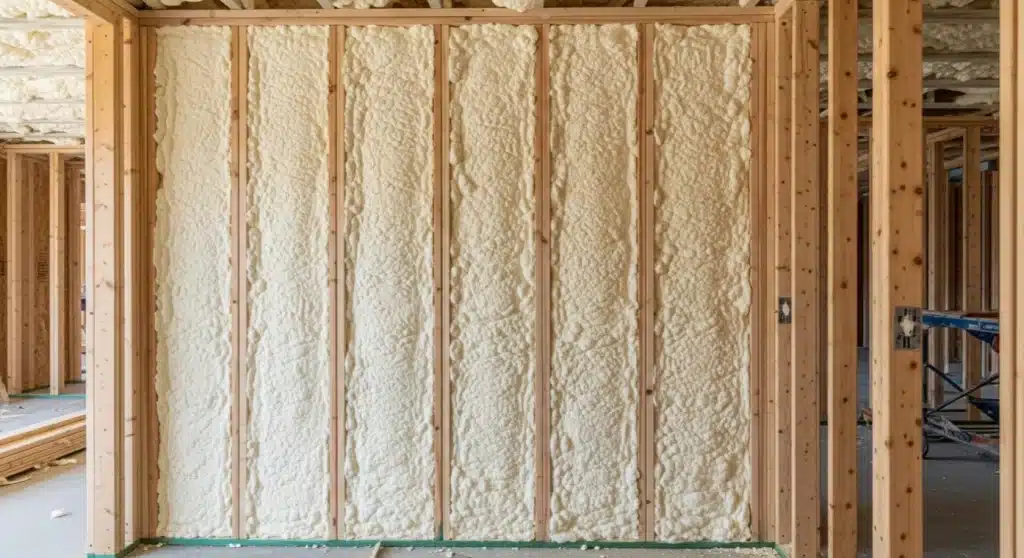
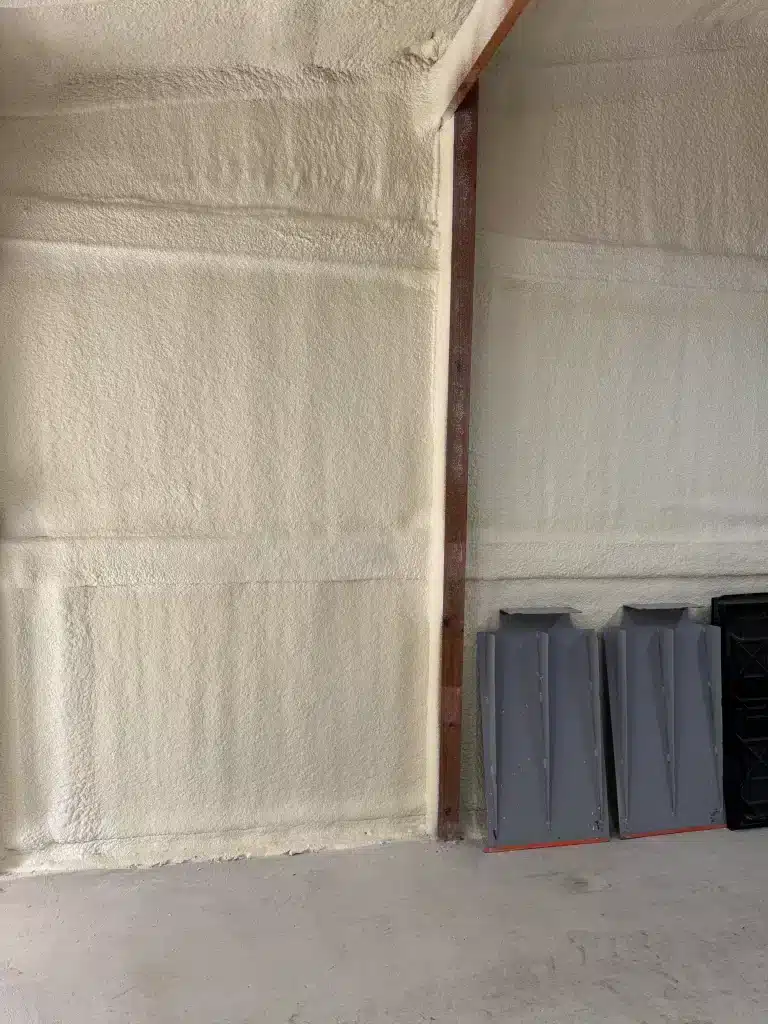
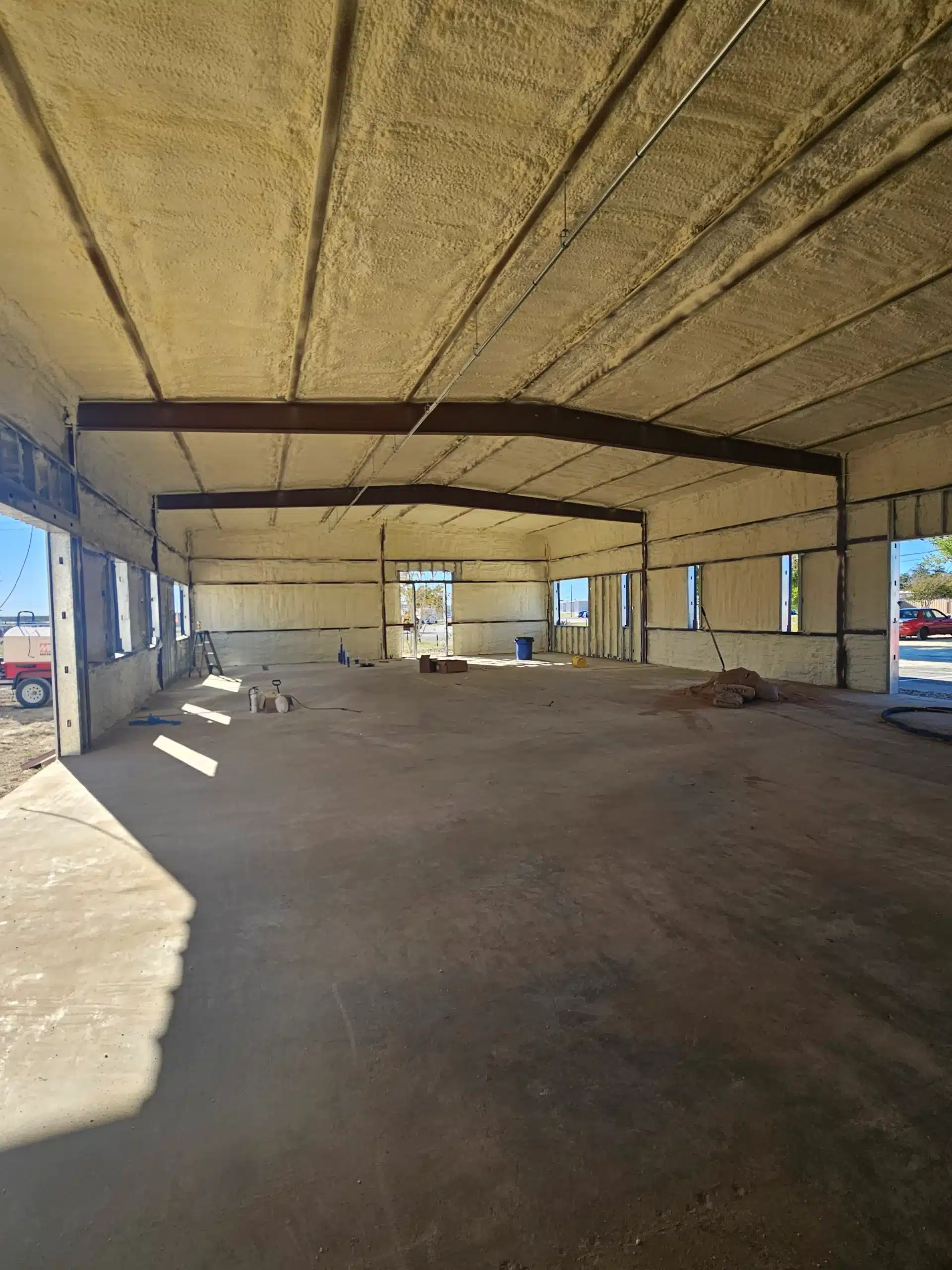
Open-cell spray foam insulation expands to approximately 100 times its original volume when applied, creating air pockets that give it its characteristic soft, sponge-like texture. Unlike closed-cell foam, these open cells allow air and moisture vapor to pass through slowly, making it breathable while still providing excellent air sealing.
The R-value of open-cell foam typically ranges from 3.5 to 3.8 per inch, which is lower than closed-cell foam but still competitive with other insulation types. Its real advantage lies in its air-sealing properties, which can reduce air leakage by up to 90% compared to traditional insulation materials.
Current Market Position and Costs
The spray foam insulation market continues growing steadily, with projections showing a compound annual growth rate of 5.9% through 2027, according to industry reports. This growth reflects increasing homeowner awareness of energy efficiency benefits.
Regional Cost Variations
California’s Central Valley typically falls in the mid-range of these costs due to moderate competition among installers and reasonable material shipping costs. Urban areas like San Francisco or Los Angeles might see prices 15-20% higher, while more rural regions could be slightly lower.
Energy Savings and ROI Timeline
The primary financial benefit of open-cell foam comes from reduced energy consumption. Homeowners typically see heating and cooling bills drop by 20-40% after installation, depending on their previous insulation situation and local climate conditions.
In Fresno’s hot summer climate, air conditioning costs dominate energy bills. Open-cell foam helps by:
- Reducing heat gain through the attic in summer
- Minimizing air conditioning losses through ductwork
- Maintaining more consistent indoor temperatures
ROI Calculation Example
Consider a 2,000-square-foot home in Fresno with a standard monthly energy profile:
| Metric | Before Foam | After Foam | Impact |
|---|---|---|---|
| Monthly Energy Usage | Baseline (100%) | Reduced (70%) | 30% Reduction |
| Annual Energy Efficiency | — | — | 30% Improvement |
| Payback Period | — | — | 7.8 Years |
This conservative calculation is based on a 30% reduction in energy usage. Many homeowners report even higher efficiency gains, especially if they are replacing very old or damaged insulation.
Climate-Specific Considerations for Central California
Fresno’s climate presents unique challenges that make open-cell foam particularly suitable. With summer temperatures regularly exceeding 95°F and winter nights dropping below freezing, homes need insulation that performs well in both extreme heat and cold.
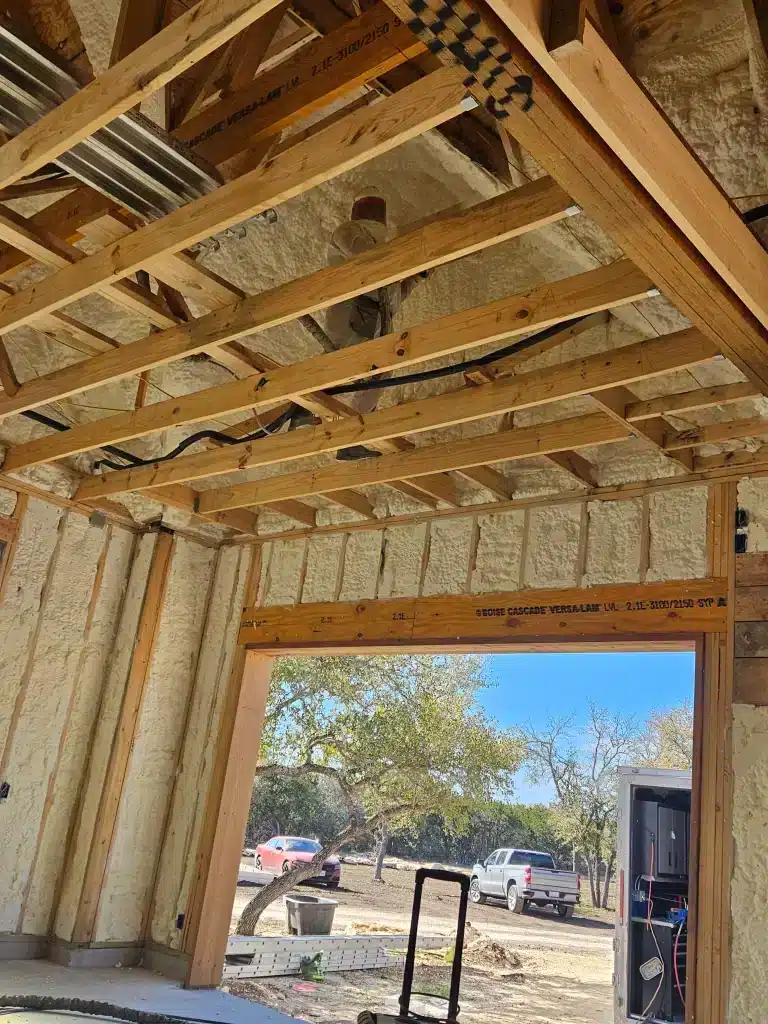
The breathable nature of open-cell foam helps manage moisture during the brief rainy season, preventing the mold and mildew issues that can plague less breathable insulation types in this region. The material’s ability to expand into every nook and cranny creates a superior air barrier against the Valley’s occasional strong winds.
Bonus Tip: Attic Ventilation
For Central California homes, combining open-cell foam with proper attic ventilation maximizes performance. The foam prevents air leaks while ventilation removes any trapped heat, creating an ideal balance for year-round efficiency.
Comparison with Alternative Insulation
Open-cell foam competes with several other insulation options, each with distinct advantages. Understanding these differences helps determine if open-cell is right for your specific needs.
Fiberglass Batt Insulation
Fiberglass remains the cheapest option but offers significantly less air sealing. Fiberglass allows air to pass through gaps and around edges, reducing its effective R-value in real-world conditions.
Cellulose Insulation
Made from recycled paper and cellulose, provides better air sealing than fiberglass but still can’t match foam’s complete barrier performance. Cellulose can settle over time, reducing its effectiveness.
Closed-Cell Foam
The premium option, closed-cell foam, offers a higher R-value per inch and adds structural strength to walls. However, it costs roughly 50-100% more than open-cell and can trap moisture if not installed perfectly.
Things to Consider Before Making a Decision
Several factors determine whether open-cell foam makes sense for your specific situation:
Existing Insulation Condition
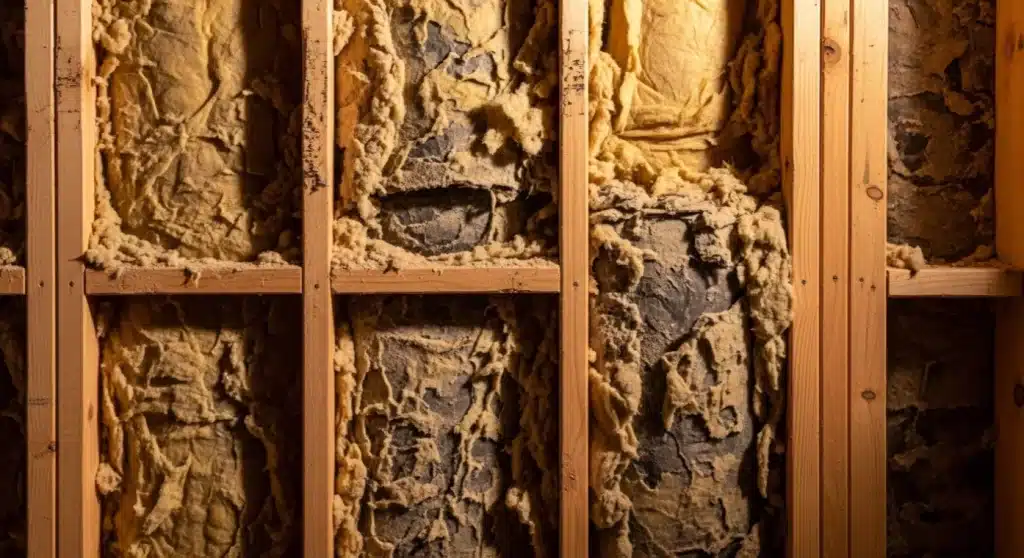
If your current insulation is compressed, water-damaged, or poorly installed, removing it and starting fresh with foam provides maximum benefit. However, adding foam over decent existing fiberglass might not justify the cost.
Home Age and Construction
Older homes with numerous air leaks and poor construction quality benefit most from foam’s air sealing properties. Newer, tightly built homes might see diminishing returns on their investment.
Climate Control Priorities
If maintaining a consistent indoor temperature ranks high on your priority list, foam’s performance advantages justify the higher cost. If you’re rarely home or accept wider temperature fluctuations, cheaper options might suffice.
Bonus Tip: Ductwork Location
Homes with HVAC ductwork in the attic or crawlspace benefit disproportionately from foam insulation. Sealing these spaces prevents conditioned air from escaping before it reaches your living areas, multiplying energy savings.
Making Your Decision
Open-cell foam insulation represents a significant upfront investment but delivers reliable energy savings and comfort improvements for decades. In California’s Central Valley climate, the benefits particularly align with local needs for both summer cooling and winter heating efficiency.
The decision ultimately depends on your home’s specific conditions, your budget, and how long you plan to stay in the house. For those committed to long-term energy efficiency and comfortable living spaces, open-cell foam remains a worthwhile investment in 2026.
Professional Consultation Services
Understanding your insulation options requires a personalized assessment of your home’s specific needs. Supreme Spray Foam Fresno offers comprehensive energy evaluations to determine the most cost-effective insulation strategy for your situation. Contact the team at [email protected] or call (559) 545-0800 to schedule a detailed consultation about open-cell foam installation and projected ROI for your property.
Frequently Asked Questions
Does open-cell foam work well in extremely hot climates?
Yes, open-cell foam performs excellently in hot climates by preventing heat transfer through attics and walls. Its air sealing properties are particularly valuable where air conditioning drives energy costs.
Will I need to remove my old insulation first?
Not necessarily. If existing insulation is dry and in good condition, foam can be installed over it. However, any wet, compressed, or damaged insulation should be removed before foam application.
How does open-cell foam affect home resale value?
Energy-efficient upgrades typically increase home value, though the exact return varies by market. Studies show homeowners are increasingly willing to pay premium prices for homes with documented energy efficiency improvements.
Can open-cell foam be used in walls?
Yes, open-cell foam works well in wall cavities, though closed-cell might be preferred in exterior walls in very wet climates. In dry climates like Central California, open-cell provides excellent performance at a lower cost.
Sources
- Spray Foam Insulation Market – Market analysis and growth projections for the spray foam insulation industry
- U.S. Department of Energy – Official energy efficiency guidelines and insulation recommendations
- Building Science Corporation – Technical research on open-cell foam performance characteristics