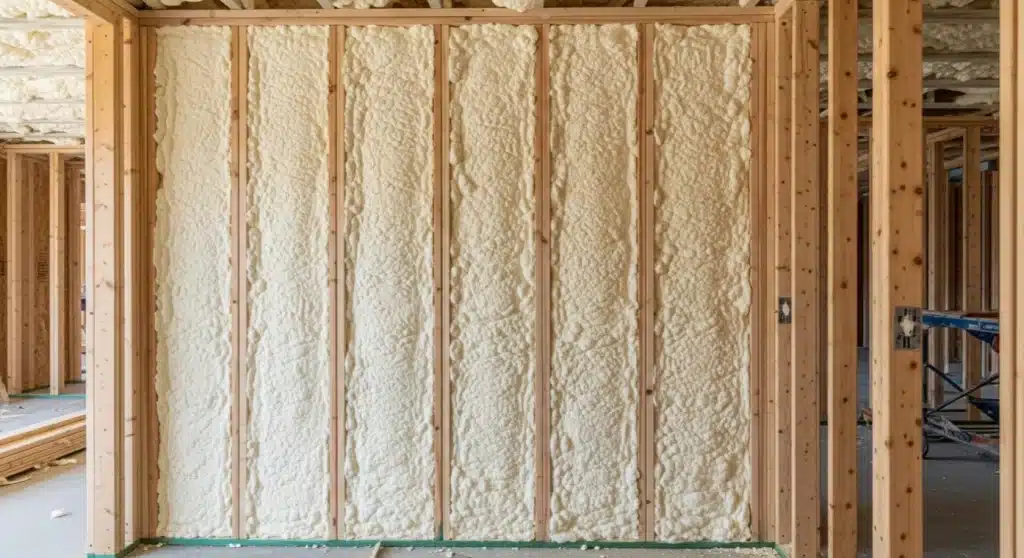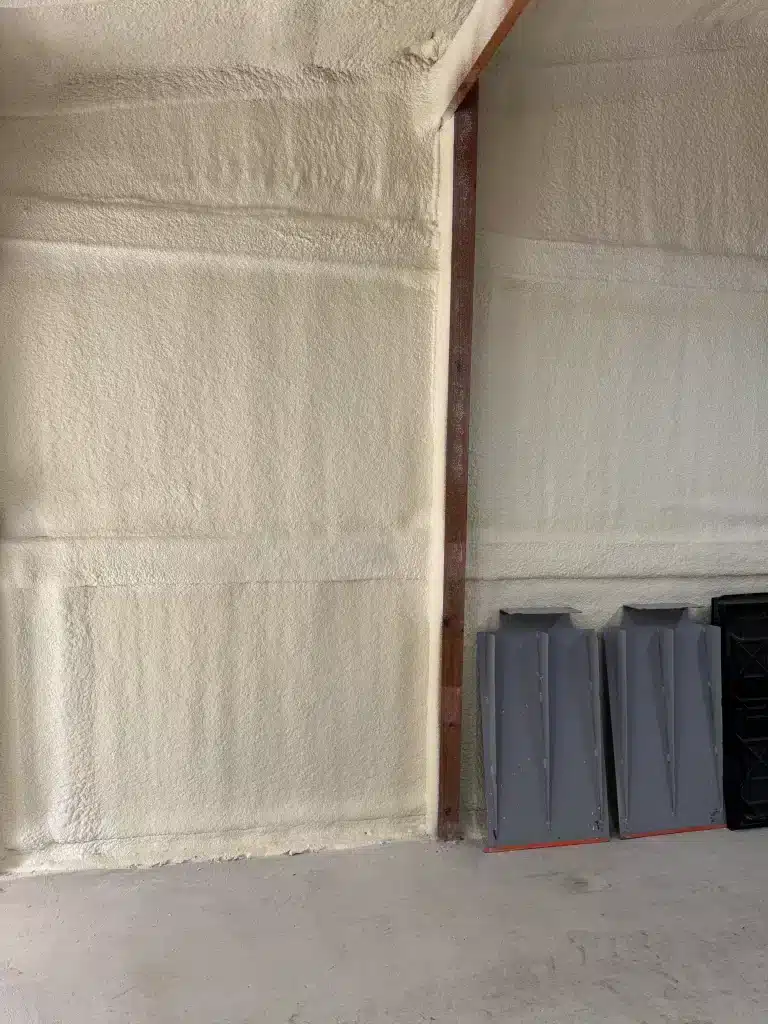

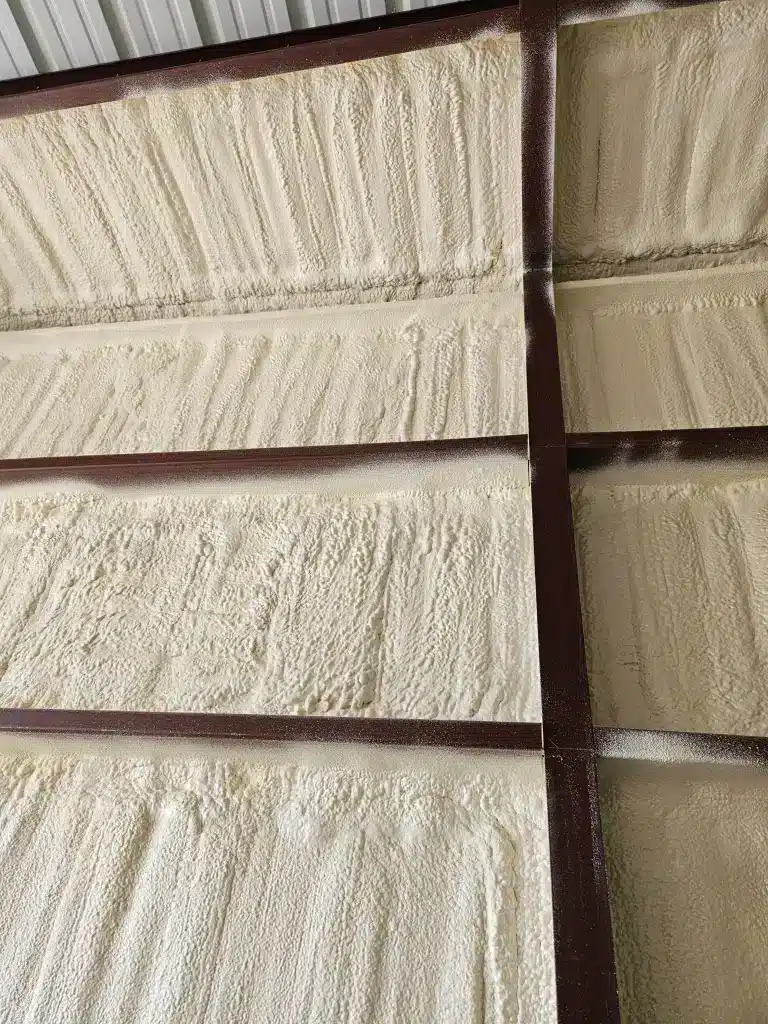
Open-cell spray foam insulation excels in Fowler, California’s climate because it effectively manages the region’s hot, dry summers while providing superior air sealing properties that reduce cooling costs by up to 20%. The material’s ability to expand and fill gaps completely makes it particularly suited for older homes common in the Fowler area, where air leakage through wall and ceiling assemblies significantly impacts energy efficiency and indoor comfort. This comprehensive guide explains the technical advantages, installation considerations, and climate-specific benefits that make open-cell spray foam the optimal insulation choice for Fowler homeowners.
Understanding Open-Cell Spray Foam Properties
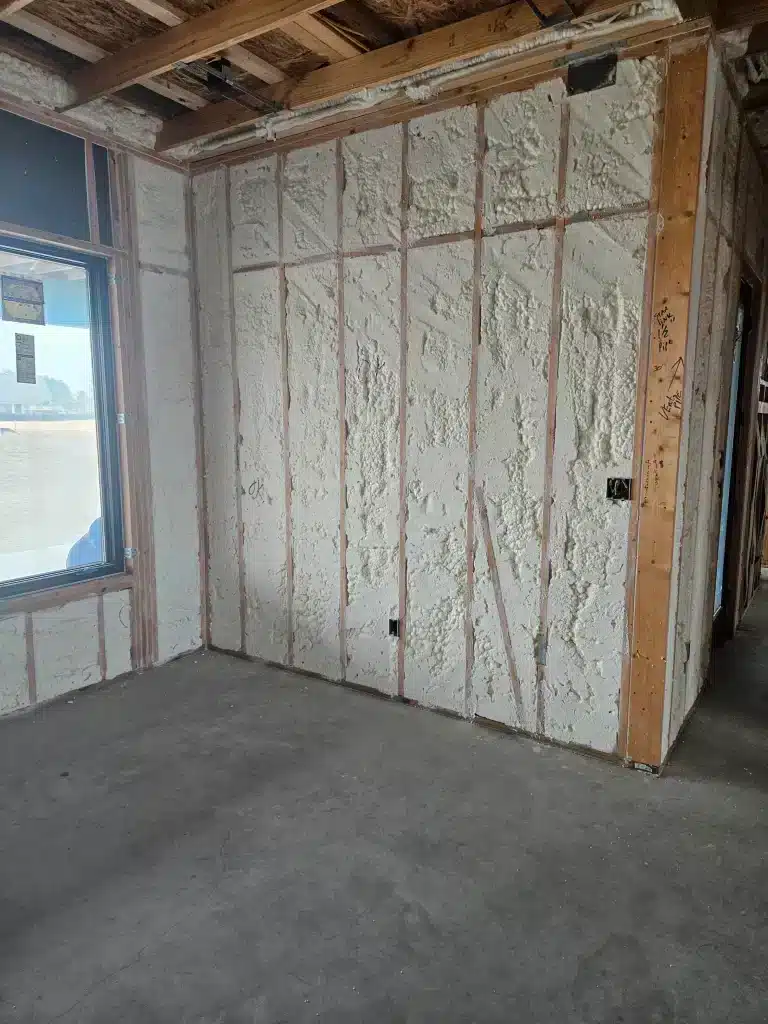
Open-cell spray foam insulation differs from closed-cell varieties in its cellular structure and performance characteristics. The material consists of tiny cells that aren’t completely sealed, allowing air to fill the space within the foam. This structure gives open-cell foam its signature soft, sponge-like texture and lower density, typically ranging from 0.5 to 0.7 pounds per cubic foot. The expansion rate is impressive, reaching up to 100 times its original volume, which allows it to fill every crack and crevice in wall cavities and ceiling spaces.
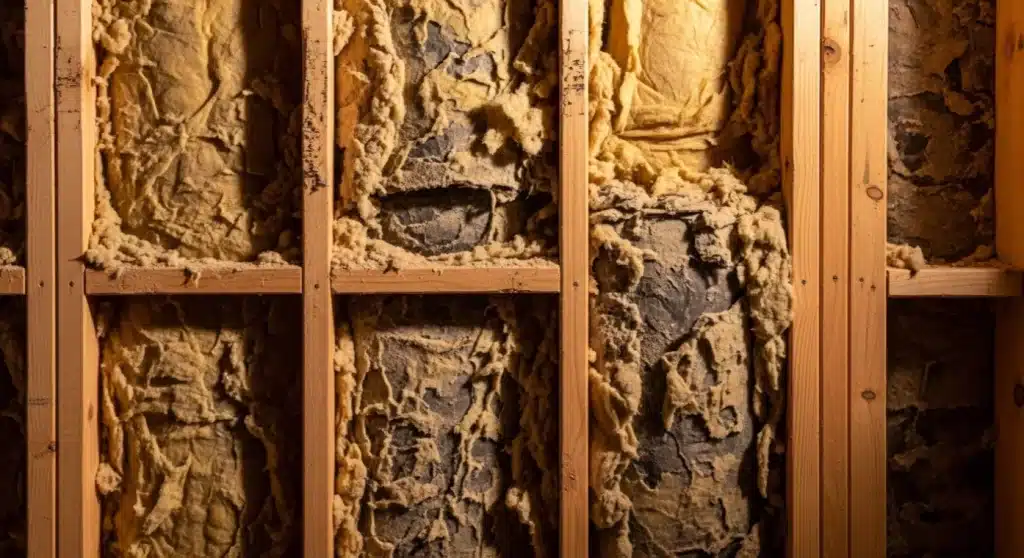
The R-value of open-cell spray foam ranges from 3.5 to 3.8 per inch, lower than that of closed-cell alternatives but still superior to traditional fiberglass batts. What sets open-cell foam apart is its exceptional air sealing capability. When properly applied, it can reduce air leakage by up to 90% compared to conventional insulation methods. This air barrier performance directly translates to better temperature control and reduced energy consumption throughout the year.
Open-cell foam also manages moisture effectively through vapor diffusion. With a perm rating of around 10-15, it allows assemblies to dry out more readily than closed-cell foam, making it particularly suitable for mixed climates where moisture management is crucial. Supreme Spray Foam Fresno has observed that this property significantly reduces the risk of mold growth in the region’s older housing stock.
Fowler, CA Climate Considerations
Fowler’s Mediterranean climate presents specific challenges that open-cell spray foam addresses effectively. Summer temperatures regularly exceed 95°F, with some days reaching over 105°F, while winter nights can drop to 35°F. These temperature swings create significant heating and cooling loads throughout the year. According to climate data from Weather-US, Fowler experiences approximately 280 sunny days annually, meaning solar heat gain through walls and ceilings is a constant concern.
The low humidity levels, averaging around 45% annually, might seem to reduce moisture concerns, but the temperature differentials between day and night can cause condensation issues within wall assemblies. Open-cell spray foam’s vapor-permeable nature allows this moisture to escape rather than becoming trapped, where it could cause structural damage or mold growth. Data from Energy.gov shows that proper air sealing can reduce cooling energy consumption by up to 20% in hot climates like Fowler’s.
Comparison with Other Insulation Types
The insulation market offers several options, but open-cell spray foam provides distinct advantages for Fowler homes. The global spray foam insulation market is projected to reach $2.9 billion by 2027, according to Spray Foam Insulation Market
, reflecting growing recognition of its performance benefits.
Insulation Performance Comparison
| Insulation Type | R-Value per Inch | Air Sealing | Vapor Permeability |
|---|---|---|---|
| Open-Cell Foam | 3.6 | Excellent | Semi-permeable |
| Closed-Cell Foam | 6.5 – 7.0 | Excellent | Vapor barrier |
| Fiberglass Batts | 3.1 – 3.4 | Poor | Permeable |
| Cellulose | 3.2 – 3.8 | Moderate | Permeable |
Open-cell spray foam’s air sealing capabilities cannot be matched by traditional insulation materials. While fiberglass and cellulose provide decent thermal resistance, they leave gaps around studs, wiring, and plumbing that allow conditioned air to escape. In Fowler’s climate, where air conditioning runs for months, these gaps can account for 30-40% of a home’s energy loss through air leakage.
Things to Consider Before Making a Decision
Before choosing open-cell spray foam, evaluate several critical factors specific to your situation. First, assess your home’s current condition. Older Fowler homes built before 1990 often have inadequate insulation and significant air leakage, making them ideal candidates for spray foam retrofitting. However, homes with existing moisture issues must have these problems resolved before foam installation.
The installation process requires professional expertise and proper equipment. Spray foam application involves chemical reactions that create heat and off-gassing during curing. Homes must be vacated during application and for 24 hours afterward. The curing process also requires specific temperature and humidity conditions – ideally between 65-85°F and 10-85% relative humidity, conditions that are challenging during Fowler’s extreme summer months.
Budget considerations play a significant role. While open-cell spray foam costs 2-3 times as much as traditional insulation, the energy savings typically yield a 3-5-year payback period in Fowler’s climate. Supreme Spray Foam Fresno recommends getting multiple quotes and verifying contractor credentials, as improper installation can lead to performance issues or building code violations.
Bonus Tip: Consider applying open-cell foam only to interior walls and ceilings, while using traditional insulation in exterior walls. This approach provides air sealing benefits where they matter most while controlling costs.
Bonus Tip: Plan installation during spring or fall months when Fowler’s moderate temperatures provide ideal curing conditions, and you can open windows for ventilation without extreme heat entering your home.
Addressing Building Code Requirements
Fowler follows California’s Title 24 energy codes, which set specific requirements for insulation performance and installation standards. Open-cell spray foam must meet these standards to ensure compliance. Local building departments may require third-party verification of insulation performance, particularly for new construction or major renovations.
Fire safety regulations also affect spray foam applications. All spray foam products must include a thermal barrier, typically ½-inch drywall, to protect against fire spread. This requirement rarely impacts retrofits in existing homes but is crucial for new construction projects.
Bonus Tip: Keep all manufacturer documentation and installation records. These papers are valuable for future home sales, potential warranty claims, and demonstrating code compliance during inspections.
Is Open-Cell Spray Foam Right for Your Fowler Home?
The decision ultimately depends on your specific circumstances, goals, and budget constraints. For homeowners prioritizing energy efficiency, indoor air quality, and long-term value, open-cell spray foam offers superior performance in Fowler’s challenging climate. The material’s air sealing capabilities provide benefits that traditional insulation simply cannot match.
If you’re planning to stay in your home for at least 5 years, the energy savings will likely offset the higher initial investment. Homes with comfort issues, high energy bills, or air quality problems often benefit most from this insulation upgrade. Conversely, if you’re planning to sell within 2-3 years, the higher upfront cost may not provide sufficient return on investment.
Consider your home’s specific construction details as well. Open-cell foam works best in wood-frame construction typical of Fowler homes, but may not be suitable for all building types. Complex roof designs, vaulted ceilings, and difficult-to-access areas can increase installation costs significantly.
FAQS
Why is open-cell spray foam ideal for Fowler’s hot climate?
It effectively manages extreme summer heat and reduces cooling costs by up to 20% through superior air sealing.
How does open-cell foam compare to traditional fiberglass insulation?
Unlike fiberglass, it expands 100 times its volume to fill all gaps, reducing air leakage by up to 90%.
Does this insulation help prevent mold growth in older homes?
Yes, its vapor-permeable structure allows moisture to escape rather than becoming trapped, significantly reducing mold risks.
How long do I need to stay out of my house after installation?
Homeowners should vacate for 24 hours to allow the foam to cure and the temporary odors to dissipate safely.
Is the higher initial cost of spray foam worth the investment?
Yes, the significant energy savings typically provide a full return on investment within three to five years in Fowler.
Your Next Steps
Understanding your insulation options is just the beginning. For personalized guidance about whether open-cell spray foam makes sense for your Fowler home, contact the experts. Supreme Spray Foam Fresno offers comprehensive energy assessments to identify your specific insulation needs and calculate potential savings. Email [email protected] or call (559) 545-0800 to schedule a consultation. Our team can provide detailed cost estimates, installation timelines, and help you navigate local building code requirements while ensuring optimal energy efficiency for your home.
Sources
- Energy.gov – U.S. Department of Energy’s official insulation guide, providing technical specifications and performance data for various insulation materials
- Weather-US – Comprehensive climate data for Fowler, CA including temperature patterns, humidity levels, and seasonal variations
- Spray Foam Insulation Market – Market research report analyzing the spray foam insulation industry, including growth projections and regional performance data