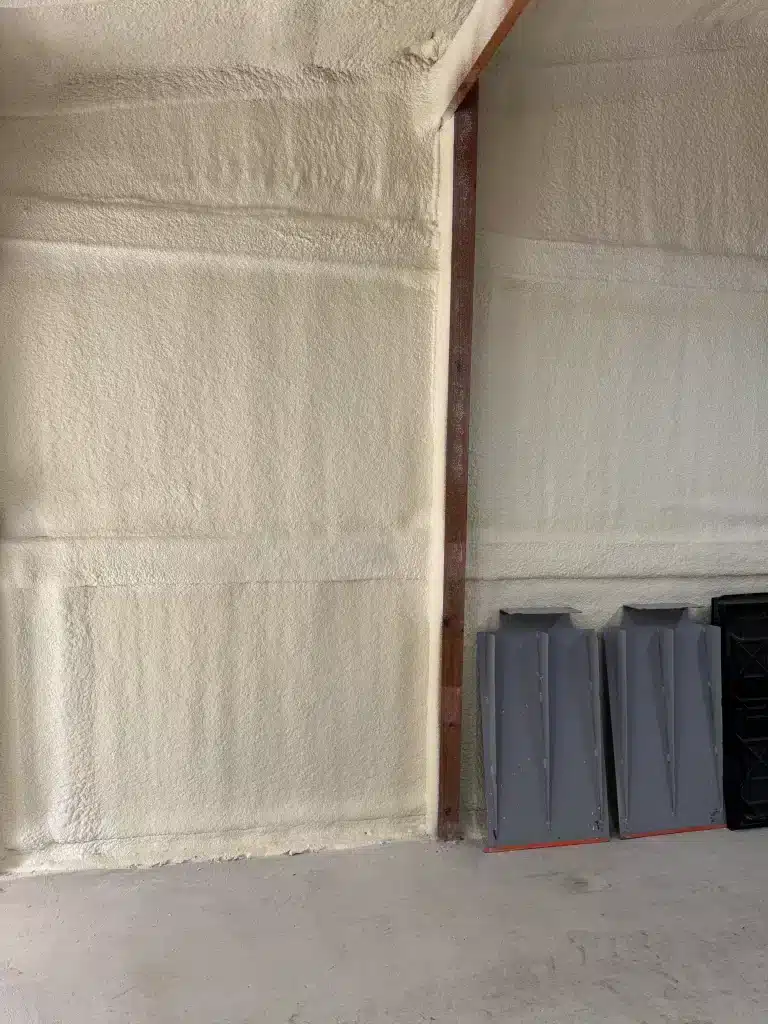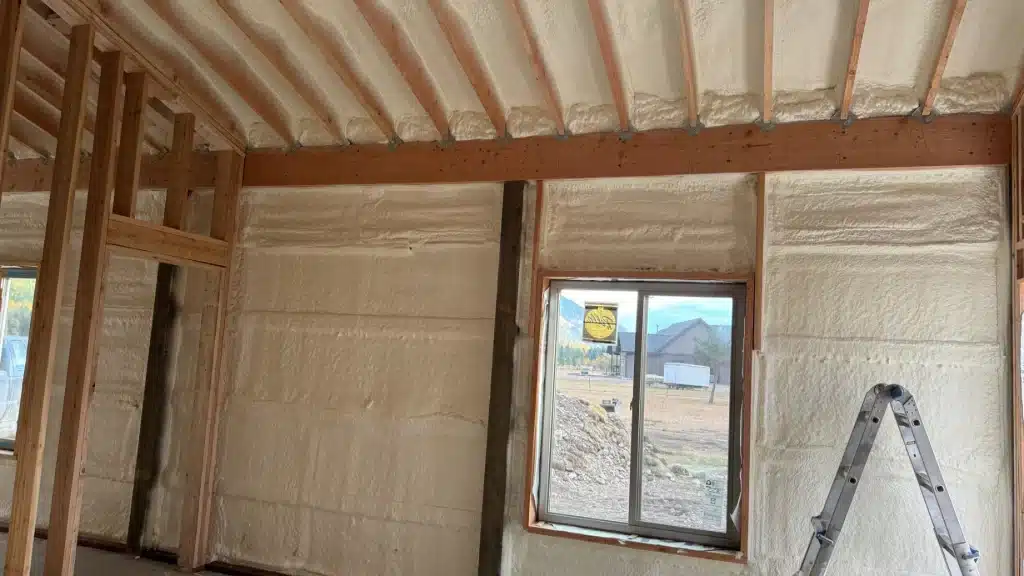

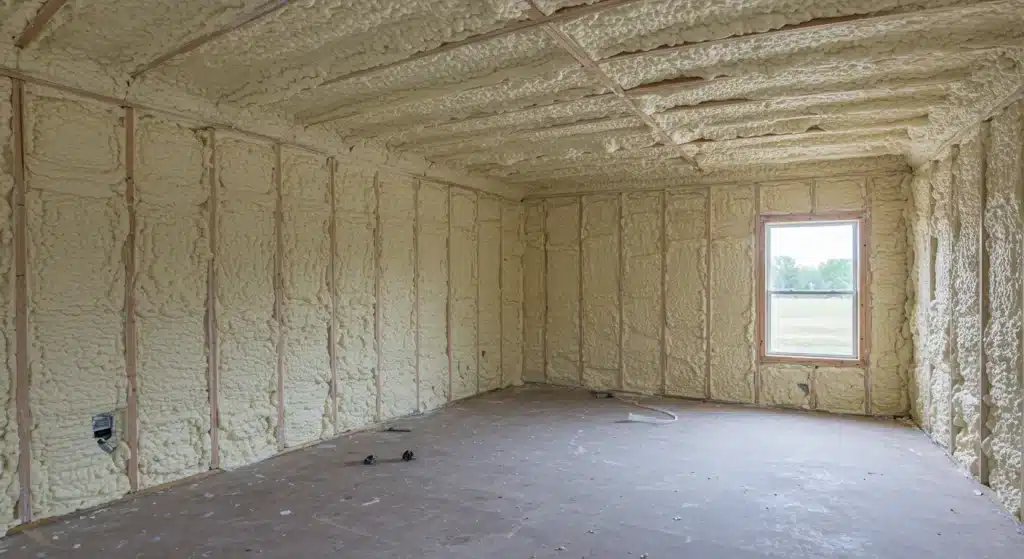
The performance of open-cell spray polyurethane foam (SPF) hinges on a specific set of conditions during installation. When applied correctly, it creates an effective air barrier and thermal insulator. But when things go wrong, the results can range from reduced energy efficiency to significant structural issues. The seven key factors that determine its success are substrate condition, temperature, humidity, application thickness, chemical ratio, equipment calibration, and ventilation.
Understanding these elements is the difference between a high-performance insulation system and a costly failure. This guide breaks down each factor based on extensive field experience, providing the information needed to ensure a successful application. Every detail, from the moisture on a surface to the pressure settings on a machine, contributes to the final quality of the foam.
1. Substrate Condition and Preparation
The surface where spray foam is applied, known as the substrate, must be properly prepared. The foam needs a clean, dry, and structurally sound surface to adhere to correctly. Contaminants like dust, oil, grease, or frost can interfere with the chemical reaction and prevent a strong bond.
If the foam is applied to a dirty or dusty surface, it will stick to the contaminants instead of the substrate itself, leading to potential delamination over time. Moisture is another major issue. Applying foam to a damp surface can trap moisture, potentially leading to mold, rot, or diminished R-value. Before any application, the surface must be inspected and cleaned to ensure it is ready to receive the foam.
Bonus Tip: A digital moisture meter is an essential tool. Professionals should test the moisture content of wood substrates before spraying. Most manufacturers specify that the wood’s moisture content should be below 18-20% for proper adhesion, a guideline supported by the Spray Polyurethane Foam Alliance (SPFA).
2. Temperature and Environmental Control
Temperature is one of the most significant variables in a spray foam application. Three temperatures must be monitored: the ambient air temperature, the substrate temperature, and the temperature of the chemicals themselves. Open-cell spray foam chemicals are designed to react within a specific temperature window, typically between 60°F and 80°F.
If the temperature is too low, the foam may not expand fully, resulting in a denser product with a lower R-value. It can also cure improperly, remaining sticky or shrinking away from the studs. Conversely, if temperatures are too high, the reaction can happen too quickly. This may cause the foam to become brittle or even scorched, compromising its insulating properties and longevity.
3. Humidity Levels
Humidity, or the amount of moisture in the air, directly affects the foam’s chemical reaction. The “B-side” chemical (the polyol resin) contains water as a blowing agent. When mixed with the “A-side” (the isocyanate), this water reacts to create carbon dioxide gas, which causes the foam to expand.
Excessive ambient humidity can introduce extra moisture into this reaction. This can alter the foam’s cell structure, making it softer, weaker, and less effective as an insulator. In extreme cases, it can cause significant dimensional instability. For this reason, professional installers use dehumidifiers and monitor relative humidity closely, especially in basements, crawl spaces, or on damp days.
Impact of Relative Humidity on Open-Cell Foam
| Relative Humidity | Expected Outcome | Corrective Action |
|---|---|---|
| Below 40% | Ideal conditions. Foam cures predictably with good cell structure. | None needed. Proceed with application. |
| 40% – 70% | Acceptable range. Minor adjustments to technique may be needed. | Monitor application for proper rise and texture. |
| 70% – 85% | Caution. Higher risk of over-expansion and poor cell structure. | Use dehumidifiers to lower ambient moisture. |
| Above 85% | Unacceptable. High probability of poor foam quality and failure. | Postpone application until conditions improve. |
4. Application Thickness Per Pass
Open-cell spray foam is applied in layers, often called “lifts” or “passes.” Each pass should not exceed the manufacturer’s recommended thickness, which is typically between 4 to 6 inches. Applying too much foam in a single pass is a common mistake that leads to serious problems.
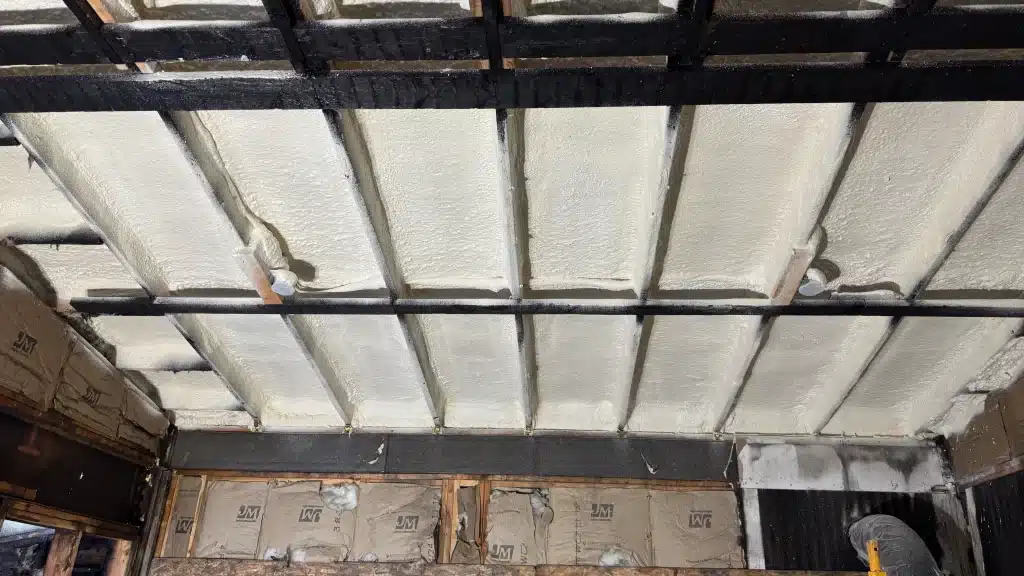
The chemical reaction that forms the foam is exothermic, meaning it generates heat. A thick pass traps this heat, which can raise the core temperature of the foam to dangerous levels. According to research from the National Institute of Standards and Technology (NIST), excessive heat can cause charring, discoloration, and even smoldering within the foam. It also results in a weaker, less stable final product. Building up the desired depth in multiple, thinner passes allows the heat from each layer to dissipate before the next one is applied.
5. Chemical Ratio and Mixing
Spray foam is a two-component system consisting of an “A-side” and a “B-side.” For the foam to form correctly, these two chemicals must be mixed at a precise 1:1 ratio by volume. If the ratio is off, the foam’s physical properties will be compromised.
- Off-Ratio (Too Much A-Side): The foam becomes brittle and friable. It may look like burnt sugar and can be easily crushed into dust. This foam has poor insulation value and no structural integrity.
- Off-Ratio (Too Much B-Side): The foam will be soft, spongy, and may feel oily or sticky to the touch. It will likely not cure properly and can have a persistent chemical odor.
Achieving the correct ratio depends entirely on the equipment used for the application.
6. Equipment Calibration and Maintenance
The spray foam rig is a complex piece of machinery that heats and pressurizes the A and B components before mixing them at the spray gun. Proper calibration and maintenance are non-negotiable for a quality installation. The proportioner machine must maintain exact temperatures and pressures for both chemicals.
Heaters in the machine and the heated hoses bring the chemicals to the ideal temperature for spraying. The pumps must deliver both components at equal pressures to ensure the 1:1 ratio. If the pressures are unbalanced or the temperatures are wrong, the mix at the gun tip will be off-ratio. Clogged filters, worn-out gun parts, or kinks in the hoses can all lead to a failed application. Regular maintenance and daily checks of the equipment are standard practice for professional installers.
Bonus Tip: Experienced applicators can often “read” the foam as it’s being sprayed. They can tell by the color, texture, and speed of the rise if the mix is correct. A creamy, uniform color and a steady, consistent rise are signs of a good mix.
7. Proper Ventilation
Ventilation is critical for two reasons: applicator safety and proper foam curing. The chemical reaction releases vapors and aerosols, and adequate ventilation using air movers and exhaust fans is required to protect the spray team and any other occupants of the building.
Ventilation also plays a part in the curing process. It helps remove the heat and moisture generated during the exothermic reaction, allowing the foam to cool and solidify correctly. Insufficient ventilation can lead to lingering odors and a longer cure time. It ensures that any off-gassing is cleared from the area, making the space safe for re-entry after the specified time.
Things to Consider Before Making a Decision
Before choosing open-cell spray foam, it’s important to evaluate a few key points. First, assess the project’s requirements. Open-cell foam is an excellent air barrier but is vapor-permeable, meaning it allows moisture to pass through it. This makes it unsuitable for certain applications, like below-grade walls or in flood-prone areas, where closed-cell foam would be a better choice. Second, ensure your contractor is certified and experienced. Ask for proof of training and insurance. Finally, discuss the ventilation plan with your installer to understand re-occupancy times and safety measures.
Frequently Asked Questions About Spray Foam Performance
What is the ideal R-value of open-cell spray foam?
Open-cell spray foam typically provides an R-value of around R-3.5 to R-4.0 per inch. The final R-value depends on achieving the correct density during application, which is a direct result of proper temperature, mixing, and technique.
Can open-cell spray foam be installed in cold weather?
Yes, but it requires specialized techniques. A professional installer will use a winter blend of foam and may need to heat the building enclosure and the substrate to ensure the surfaces are within the manufacturer’s specified temperature range. Applying foam to a frozen or cold substrate will result in poor adhesion and diminished performance.
What happens if the foam gets wet after installation?
Because open-cell foam is like a sponge, it can absorb and hold water. If it gets wet from a roof leak or plumbing failure, the foam will need to be dried out completely to restore its insulating properties. Unlike closed-cell foam, it is not a moisture barrier and will not trap bulk water, which can be an advantage as it allows leaks to be discovered.
Is open-cell spray foam a good sound barrier?
Yes, one of the main benefits of open-cell foam is its excellent sound-dampening ability. The soft, porous cell structure is very effective at absorbing and reducing airborne sound transmission, making it a great choice for media rooms, offices, and walls between bedrooms. A report by the National Research Council of Canada confirms that its flexible structure helps reduce mid and high-frequency noise.
Why does the foam need to be trimmed?
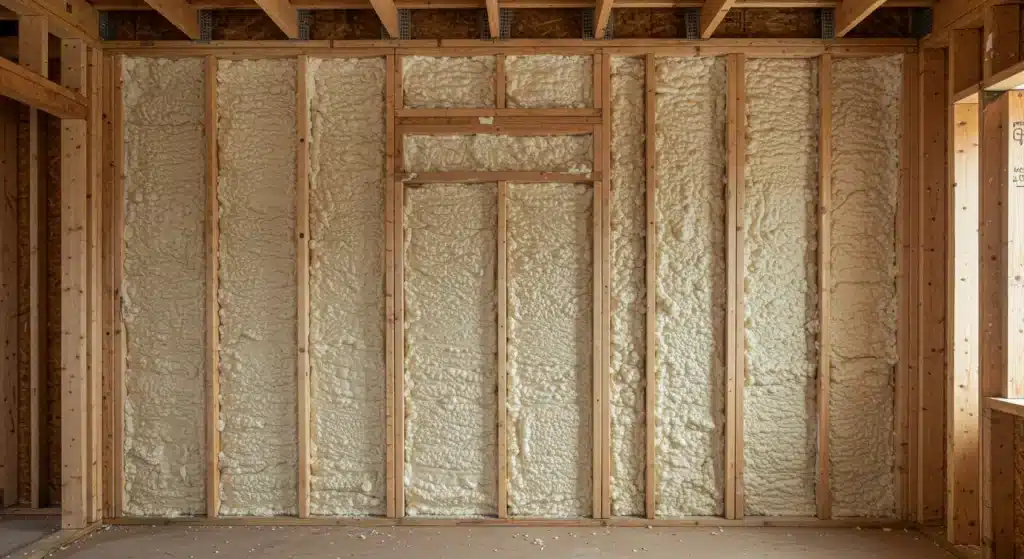
Open-cell foam expands significantly after being sprayed. To allow for the installation of drywall, any foam that expands beyond the face of the wall studs or roof rafters must be trimmed flush. This is typically done with a specialized long-bladed saw after the foam has had some time to cure.
Final Considerations
The final quality of an open-cell spray foam installation is not determined by the product alone but by the skill of the applicator and the conditions on the day of the job. By controlling the seven factors outlined above, from preparing the substrate to ensuring proper ventilation, a contractor can deliver a consistent, high-performance insulation system. Before moving forward with any project, property owners should discuss these factors with their chosen professional to ensure the job is done right the first time.
Get a Professional Assessment
Properly installed spray foam insulation requires technical expertise and specialized equipment. If you have questions about whether open-cell foam is right for your project, it’s best to consult with experienced professionals. For a detailed evaluation in the Fresno area, contact Supreme Spray Foam Fresno for guidance. You can reach the team by phone at (559) 545-0800 or by email at [email protected] to discuss your specific insulation needs and ensure your project meets the highest standards of performance and safety.
Sources
- Spray Polyurethane Foam Alliance (SPFA) – An industry trade association providing technical specifications and best practices for SPF application, including guidance on substrate moisture content.
- National Institute of Standards and Technology (NIST) – A federal agency that conducts research on building materials, including studies on the thermal and fire performance of spray foam insulation.