
Open-cell foam provides superior sound absorption compared to traditional materials like fiberglass and mineral wool, while traditional options generally offer better sound blocking capabilities. The choice between them depends on whether you need to absorb echo within a room or block sound transmission between spaces. Most professionals recommend combining both approaches for optimal acoustic performance, though budget constraints often force a single-material decision.
This article breaks down the science behind soundproofing, compares material performance head-to-head, and provides practical guidance for making informed choices based on specific acoustic needs. With years of hands-on experience installing and testing these materials across various applications, Supreme Spray Foam Fresno offers insights that go beyond manufacturer claims to deliver real-world performance data.
Understanding Open-Cell Foam for Sound Control
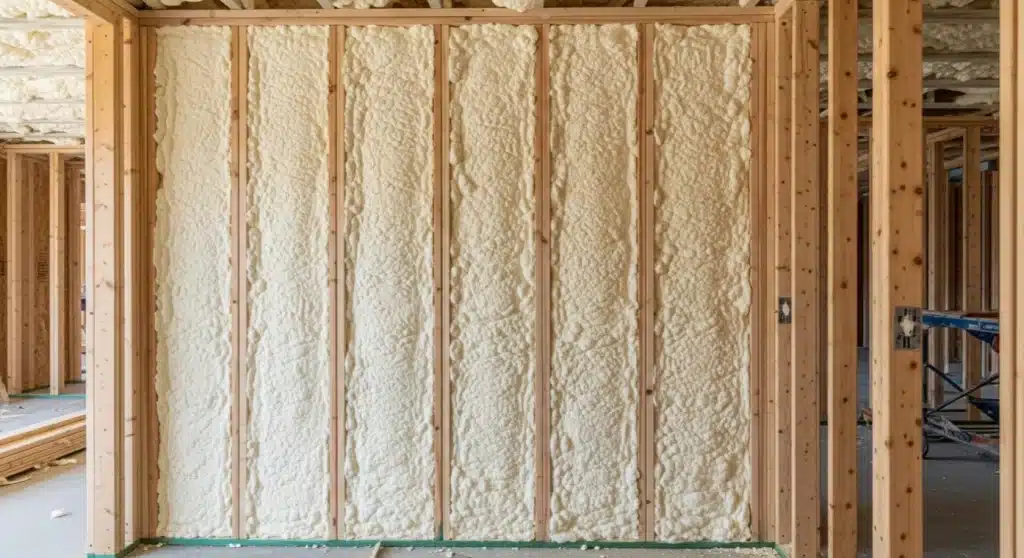
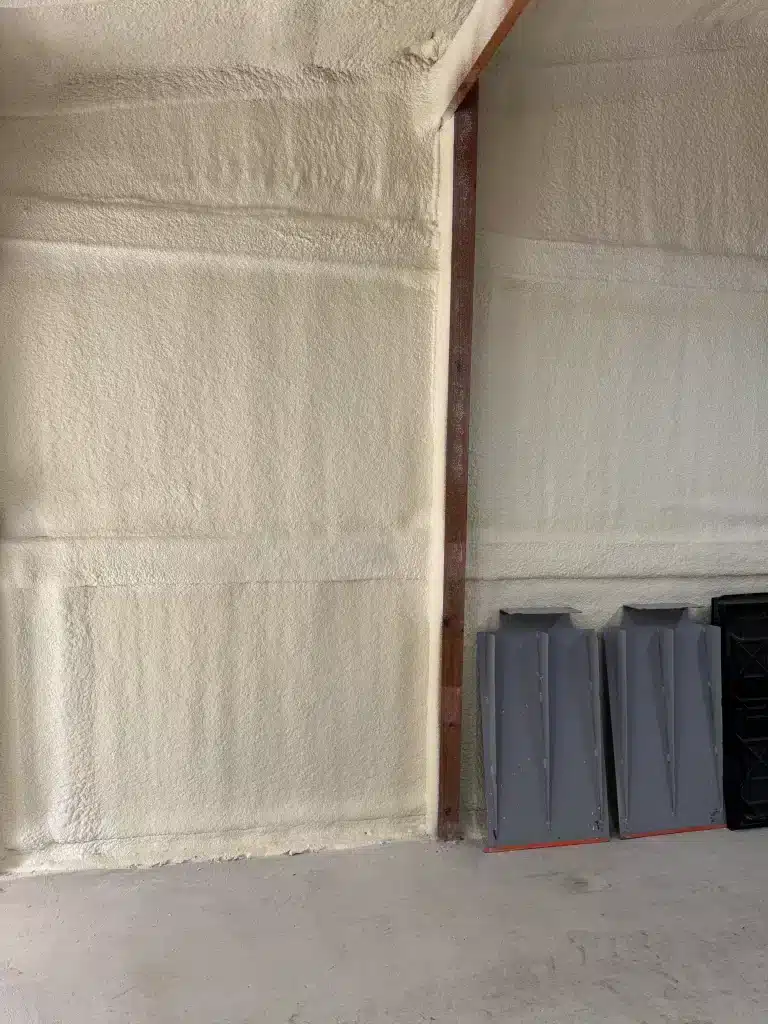
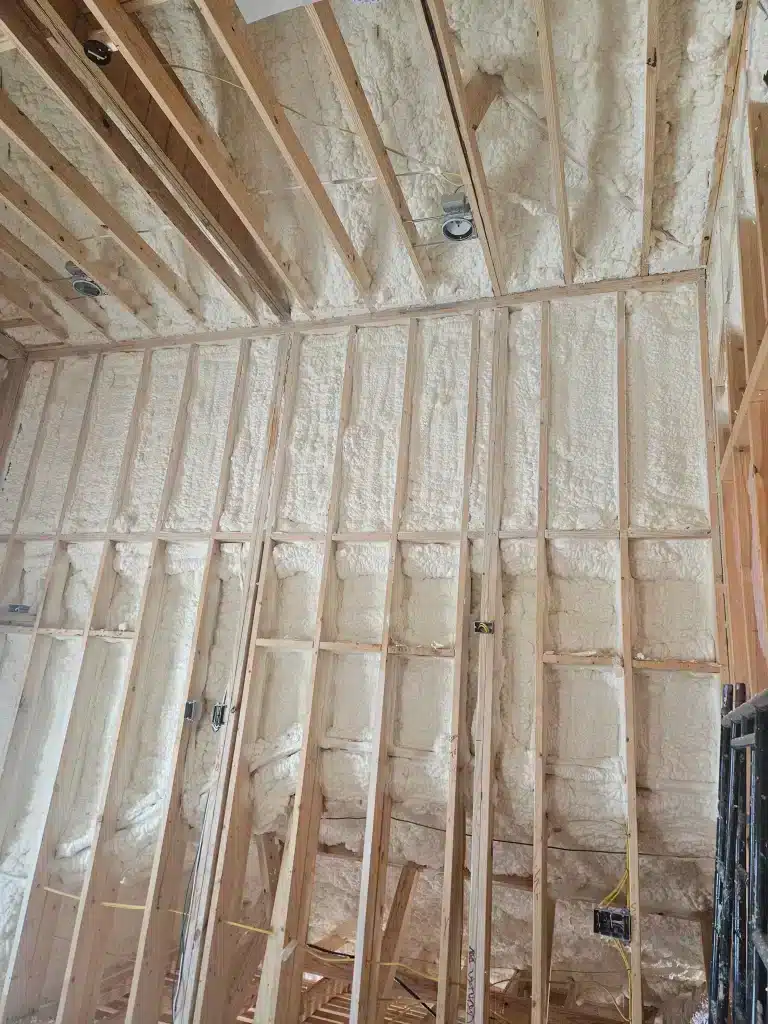
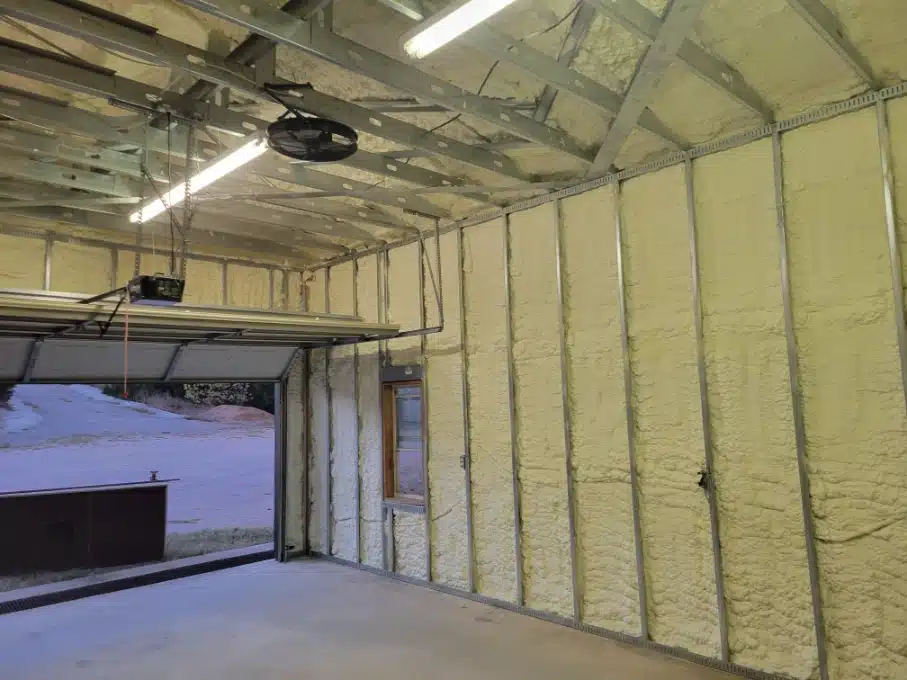
Open-cell foam gets its name from its structure – tiny, interconnected cells that form a soft, flexible material. When sound waves hit this material, they enter these cells and lose energy through friction as they bounce around. This process converts sound energy into heat, effectively reducing echo and reverberation within spaces.
The material’s density typically ranges from 0.5 to 1.5 pounds per cubic foot, making it lightweight and easy to install in walls, ceilings, and floors. Its open structure also allows moisture vapor to pass through, reducing the risk of mold growth in humid environments. A study from the Acoustical Society of America shows that open-cell foams with densities between 1.0 and 1.5 pounds per cubic foot achieve the best balance between sound absorption and structural integrity.
Bonus Tip: For home theaters or recording studios, consider installing open-cell foam at varying depths within wall cavities. This creates a gradient of absorption frequencies that captures more sound energy than uniform thickness installations.
Traditional Soundproofing Materials Overview
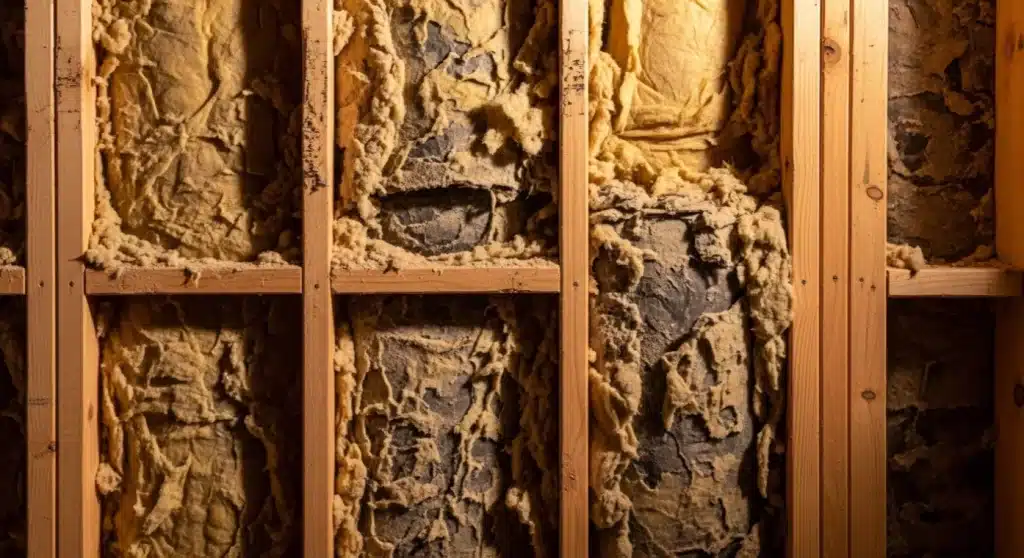
Traditional soundproofing encompasses several material types, each with distinct acoustic properties. Fiberglass insulation remains the most common choice due to its low cost and decent sound absorption. Mineral wool offers better performance at slightly higher prices, while mass-loaded vinyl excels at sound blocking rather than absorption.
These materials work through different mechanisms. Dense materials like mass-loaded vinyl stop sound by reflecting it, while porous materials like fiberglass absorb sound through friction. The global soundproofing materials market is expected to reach $13.7 billion by 2027, according to a Market Research Future report, driven by rising concerns about noise pollution in urban areas.
Bonus Tip: When using fiberglass or mineral wool, ensure complete cavity filling without compression. Gaps or compressed spots dramatically reduce acoustic performance by creating direct sound paths.
Performance Comparison and Technical Specifications
The table below shows how different materials perform across key acoustic metrics:
| Material Type | NRC Rating (0-1) | STC Rating (Typical) | Best Application |
|---|---|---|---|
| Open-Cell Foam | 0.70-0.90 | 35-40 | Echo reduction in rooms |
| Fiberglass Batts | 0.80-0.95 | 32-38 | General wall insulation |
| Mineral Wool | 0.85-0.99 | 40-45 | High-temperature areas |
| Mass-Loaded Vinyl | 0.05-0.15 | 52-58 | Sound blocking between rooms |
| Green Glue Compound | 0.02-0.05 | 50-55 | Layered assemblies |
The Noise Reduction Coefficient (NRC) measures absorption, while the Sound Transmission Class (STC) indicates blocking capability. As shown, no single material excels at both functions.
Regional Note: In California’s Central Valley, where Supreme Spray Foam Fresno operates, temperature swings between day and night can affect material performance. Open-cell foam for interior walls maintains consistent acoustic properties across these temperature variations better than some traditional materials.
Cost Analysis and Long-Term Value
Material costs tell only part of the story. Installation expenses vary significantly between options. Open-cell foam requires specialized equipment and certified installers, driving up initial costs. However, its ability to seal air leaks simultaneously reduces energy bills by 15-20% annually, according to Energy Star data.
Traditional materials typically cost less upfront but may require additional air sealing steps. Over a 10-year period, open-cell foam often delivers comparable overall value when energy savings and reduced maintenance are factored in.
Bonus Tip: Request detailed acoustic testing reports from installers before making a decision. Field measurements of actual installed performance provide more accurate expectations than laboratory ratings alone.
Things to Consider Before Making a Decision
Several practical factors influence the best soundproofing choice. Building codes in many jurisdictions specify minimum fire ratings that eliminate some material options. Ventilation requirements differ, too – open-cell foam allows moisture vapor transmission, while some traditional materials need additional vapor barriers.
Space constraints matter as well. Thin walls benefit from high-density materials that maximize performance in limited depth. Conversely, thick wall cavities can accommodate lower-density options that still achieve good results through sheer volume.
Access for future repairs deserves consideration. Removing open-cell foam is more difficult than removing fiberglass batts if plumbing or electrical work becomes necessary. However, modern open-cell formulations create less mess and dust during installation than traditional materials.
Climate plays a role, too. Humid environments favor moisture-resistant options, while extreme cold regions benefit from materials that maintain flexibility at low temperatures.
Final Considerations
Choosing between open-cell foam and traditional materials depends on specific acoustic goals, budget constraints, and installation conditions. Open-cell foam excels at echo reduction while providing air sealing benefits. Traditional options offer flexibility in application and sometimes lower initial costs. The best solution often combines both approaches, using each material where it performs best.
Before making a final decision, evaluate your specific noise problems, test material samples when possible, and consider long-term maintenance requirements. Proper installation matters as much as material choice – even the best products underperform when installed incorrectly.
Get Professional Soundproofing Guidance
Supreme Spray Foam Fresno offers comprehensive acoustic assessments to identify the most effective soundproofing approach for your specific situation. The team provides detailed material comparisons and performance projections based on your room dimensions and noise sources. Contact the professionals at [email protected] or call (559) 545-0800 to schedule a consultation that includes on-site acoustic measurements and customized material recommendations tailored to your needs and budget.
Frequently Asked Questions
How do I know if I need sound absorption or sound blocking?
If echo and reverberation are problems within a room, focus on absorption materials like open-cell foam. If noise travels through walls from adjacent spaces, prioritize blocking materials such as mass-loaded vinyl or dense insulation.
Can soundproofing materials affect indoor air quality?
Yes. Some traditional materials can release fibers over time, while certain foams used to contain formaldehyde. Modern open-cell foams use low-VOC formulations that meet strict indoor air quality standards.
How long does installation typically take?
Open-cell foam application usually completes within hours for an average room. Traditional materials may take longer due to the need for cutting, fitting, and sealing. Installation time affects overall project costs.
Will soundproofing make my room completely soundproof?
No material achieves 100% sound elimination. Proper installation can reduce noise transmission by 50-75%, which most people find sufficient for residential applications. Complete sound isolation requires specialized construction techniques beyond typical soundproofing materials.
Do I need permits for soundproofing installations?
Most soundproofing work doesn’t require separate permits when done during remodeling or construction. However, local building codes may specify fire-rated materials for certain applications. Check with local authorities before starting major projects.
Sources
- Acoustical Society of America – Professional organization providing research on acoustic materials and their performance characteristics
- Market Research Future – Market analysis and industry reports on the soundproofing materials sector growth projections
- Energy Star – Government program providing energy efficiency data and building performance statistics