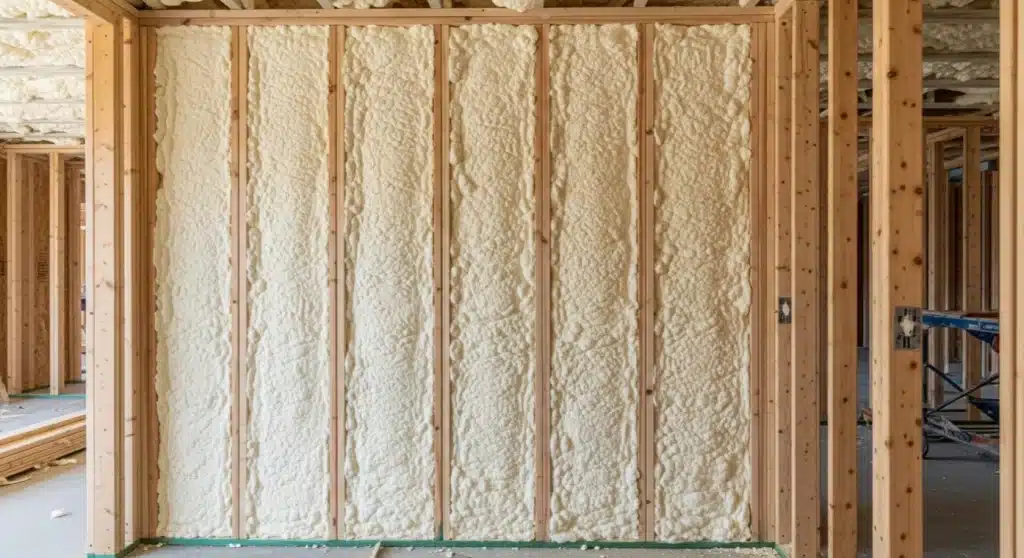

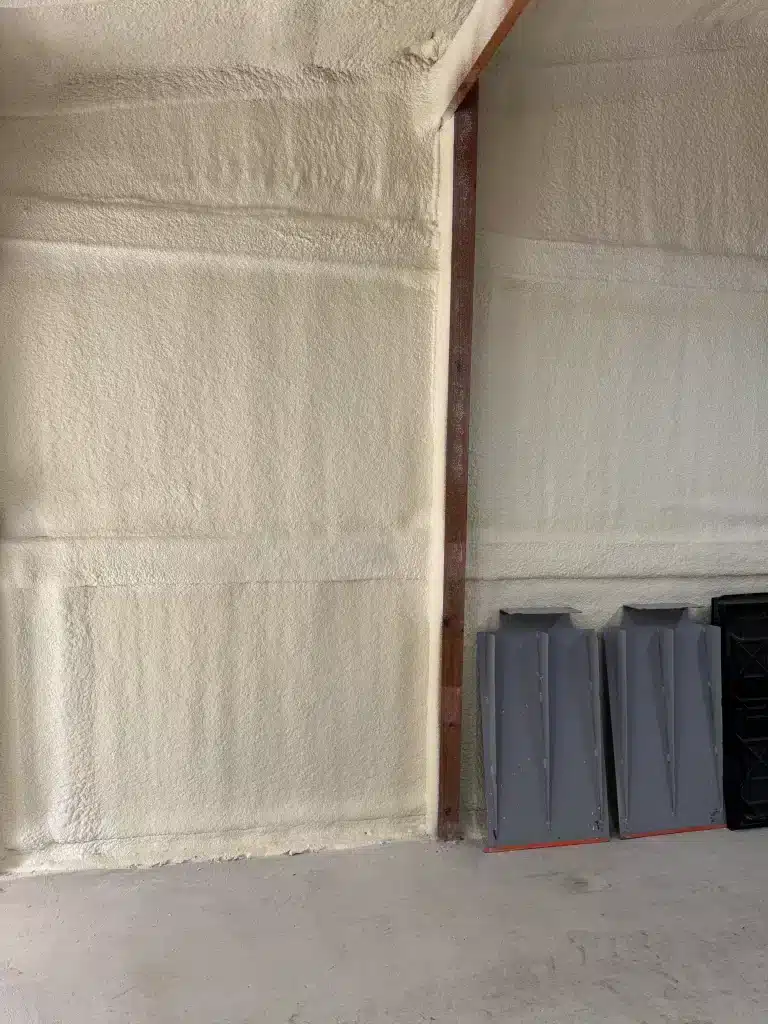
Smart property owners choose closed-cell spray foam insulation for its superior thermal performance, moisture resistance, and structural reinforcement capabilities. This insulation type delivers the highest R-value per inch available in spray foam products, making it particularly valuable for spaces with limited cavity depth or extreme weather conditions. Its dense, closed-cell structure creates an air and vapor barrier in one application, eliminating the need for separate moisture barriers in most installations. The material’s rigidity also adds structural strength to walls and roofs, a benefit other insulation types simply cannot match.
This guide provides comprehensive details on closed-cell spray foam, including practical insights from years of installation experience across various property types and climate conditions. The information covers everything from performance characteristics and installation considerations to cost analysis and long-term benefits, helping property owners make informed decisions based on their specific needs and circumstances.
What Makes Closed-Cell Spray Foam Different
Closed-cell spray foam stands apart from other insulation options through its unique cellular structure. Each cell contains trapped gas that provides superior thermal resistance, while the closed nature of these cells prevents moisture and air movement through the material. The foam expands to approximately 30-40 times its liquid volume during application, filling gaps and cracks that traditional insulation materials cannot reach.
The density of closed-cell spray foam typically ranges from 1.8 to 2.0 pounds per cubic foot, making it significantly more rigid than open-cell alternatives. This density contributes to its higher R-value of approximately 6.5 per inch, compared to open-cell foam’s 3.5 per inch. The material’s structural properties can increase wall racking strength by up to 300%, according to testing conducted by the Spray Polyurethane Foam Alliance.
Performance Comparison
When evaluating insulation options, understanding the practical differences helps property owners select the right solution for their specific situation.
Table: Key Performance Characteristics of Insulation Types
| Property | Closed-Cell Spray Foam | Open-Cell Spray Foam | Fiberglass Batts |
|---|---|---|---|
| R-Value per Inch | 6.5 | 3.5 | 2.2-3.2 |
| Air Barrier | Yes | Yes | No |
| Vapor Barrier | Yes (at 1.5″+) | No | No |
| Density (lb/ft³) | 1.8-2.0 | 0.4-0.6 | 0.5-1.0 |
| Water Absorption | <1% | <5% | High |
| Structural Strength | Yes | Minimal | None |
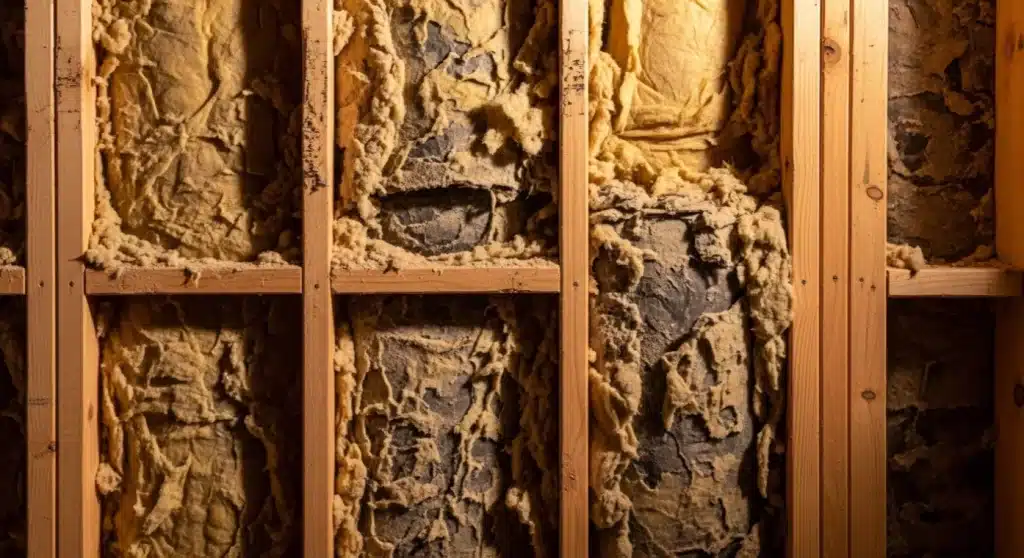
The performance differences extend beyond thermal properties. Closed-cell foam’s moisture resistance makes it particularly suitable for basements, crawl spaces, and coastal regions where humidity control is critical. A study by the U.S. Department of Energy found that proper air sealing through spray foam insulation can reduce heating and cooling costs by 15% to 20% in many homes.
Regional Considerations for California Properties
California’s diverse climate zones present specific challenges that closed-cell spray foam addresses effectively. In the Central Valley region, including Fresno, summer temperatures frequently exceed 95°F while winter nights can drop below freezing. These temperature swings demand insulation that performs consistently across a wide range of conditions.
For properties in agricultural areas like Fresno County, closed-cell spray foam offers additional benefits beyond temperature control. The material’s resistance to pests and moisture makes it ideal for storage facilities and agricultural buildings. According to data from the California Energy Commission, proper insulation can reduce peak cooling demand by up to 30% in commercial buildings, significantly lowering operational costs during hot summer months.
Things to Consider Before Making a Decision
Property owners should evaluate several practical factors before committing to closed-cell spray foam installation:
Application Thickness Requirements: Building codes typically require specific R-values for different climate zones. In California’s Zone 3 (where Fresno is located), the minimum wall insulation requirement is R-13, which closed-cell foam can achieve with just 2 inches of material, compared to 4-6 inches for traditional insulation.
Installation Environment: Closed-cell spray foam requires specific temperature and humidity conditions for optimal application. Professional installers typically need to maintain surface temperatures between 60°F and 80°F during installation, with relative humidity below 85%. This requirement may necessitate temporary climate control in new construction projects.
Budget Considerations: While closed-cell spray foam has a higher upfront cost, the long-term energy savings and reduced need for additional vapor barriers often provide a favorable return on investment. Market research shows that spray foam insulation can reduce energy bills by up to 50% in properly sealed homes.
Bonus Tip: For retrofit projects, consider a hybrid approach using closed-cell foam in problem areas (like rim joists, crawl spaces, and band joists) combined with less expensive insulation in open wall cavities to balance performance and cost.
Common Concerns About Installation
Many property owners have similar concerns when considering spray foam insulation. Understanding these aspects helps ensure successful outcomes.
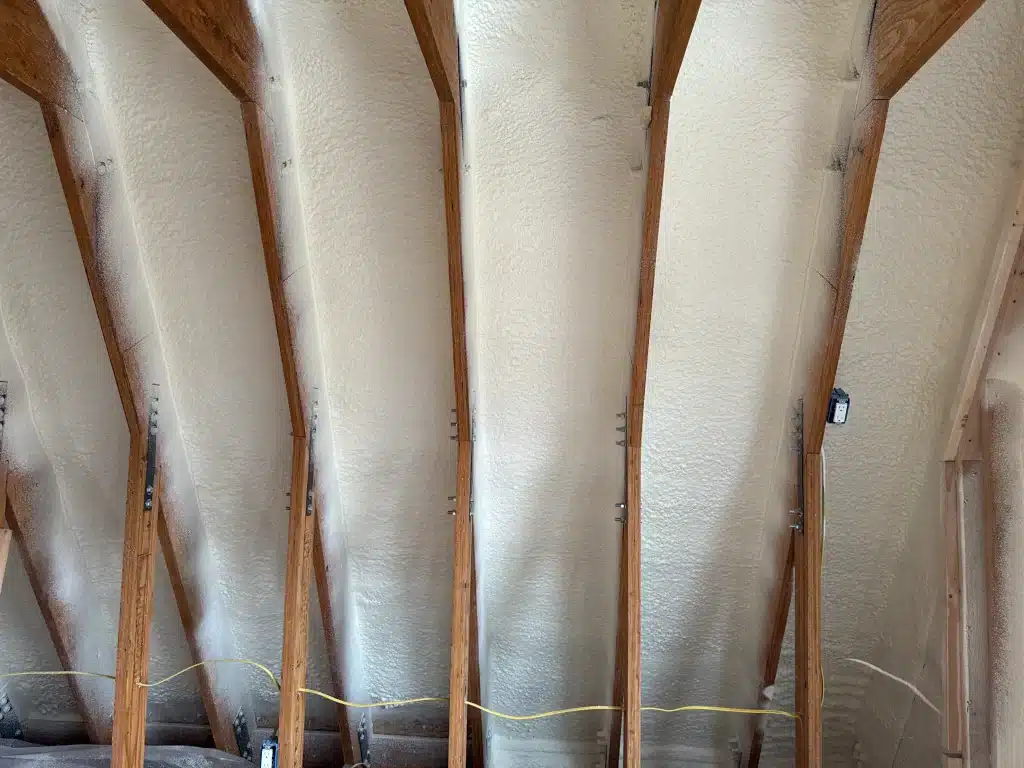
Proper Application Depth: The required thickness depends on local building codes and the desired R-value. Most professionals recommend a minimum of 2 inches for moisture barrier properties, with additional thickness added for thermal performance. Supreme Spray Foam Fresno typically installs 3-4 inches in attic applications to meet California’s energy code requirements.
Curing Process: Closed-cell spray foam cures quickly, reaching handling strength within minutes but requiring 24 hours to fully cure and off-gas. During this period, proper ventilation is essential, and the area should remain unoccupied.
Long-Term Performance: When properly installed, closed-cell spray foam maintains its performance characteristics for decades without sagging, settling, or deteriorating. The material is inert and does not provide food for mold or pests, contributing to its longevity.
Bonus Tip: Request that installers provide infrared imaging before and after application to verify complete coverage and identify any gaps in the insulation layer. This technology ensures the installation performs as specified.
Bonus Installation Tips from Experience
After years of spray foam installations, certain practices consistently lead to better results:
Preparation Matters: Proper surface preparation dramatically affects foam adhesion and performance. Clean, dry surfaces free of dust, oils, and loose materials create optimal conditions for foam expansion and bonding. In existing buildings, this may require extensive cleaning and moisture testing before application.
Temperature Control: Both ambient and substrate temperatures significantly impact foam expansion and cell structure. Professional installers monitor these conditions carefully and may need to adjust their application technique accordingly. In Fresno’s climate, summer installations often require early morning scheduling to avoid excessive heat during application.
Bonus Tip: For metal buildings or structures with significant temperature differences between interior and exterior surfaces, consider applying closed-cell foam in two passes rather than one thick application. This approach reduces stress on the substrate and ensures proper cell formation throughout the insulation layer.
Key Takeaways for Property Owners
Closed-cell spray foam offers superior insulation performance through its high R-value per inch, air- and vapor-barrier properties, and structural reinforcement capabilities. While the initial investment exceeds traditional insulation options, the long-term insulation benefits energy savings, moisture protection, and durability provide compelling value for many property owners. The material is particularly advantageous for regions with extreme temperatures, high humidity, or specific air quality requirements.
Property owners should evaluate their specific needs, climate conditions, and budget constraints when considering spray foam insulation. Professional consultation and a detailed cost-benefit analysis help ensure the chosen solution aligns with both performance requirements and financial considerations. For those prioritizing maximum energy efficiency and moisture protection in a single application, closed-cell spray foam often represents the optimal choice.
Get Professional Spray Foam Assessment
Supreme Spray Foam Fresno offers comprehensive insulation evaluations for properties throughout the Central Valley. Professional assessment helps determine the most effective insulation solution based on your specific building characteristics, climate conditions, and budget parameters. Contact Supreme Spray Foam Fresno at [email protected] or call (559) 545-0800 to schedule a consultation and receive detailed recommendations tailored to your property’s needs.
Frequently Asked Questions About Closed-Cell Spray Foam
How does closed-cell spray foam compare in cost to other insulation types?
Closed-cell spray foam typically costs 2-3 times more per board foot than fiberglass batts but provides significantly higher R-value per inch and eliminates the need for separate air and vapor barriers. When accounting for these additional materials and labor requirements, the cost difference narrows considerably. Energy savings of 15-50% on heating and cooling bills often provide a payback period of 3-7 years.
Can closed-cell spray foam be installed over existing insulation?
In most cases, existing insulation should be removed before spray foam application to ensure proper adhesion and performance. However, in some retrofit situations, spray foam can be applied over existing insulation in attics, particularly when the existing material is dry and in good condition. Professional assessment is recommended for each specific situation.
Is closed-cell spray foam safe for homes with children or pets?
Once fully cured (typically 24 hours after installation), closed-cell spray foam is chemically inert and considered safe for residential applications. The material does not off-gas harmful chemicals and meets all indoor air quality requirements for building materials. During installation and curing, proper ventilation is essential, and occupants should remain out of the area.
How long does closed-cell spray foam last?
When properly installed, closed-cell spray foam maintains its insulation properties for the lifetime of the building. The material does not degrade, settle, or compress over time like traditional insulation materials. Many manufacturers offer warranties of 25 years or more, though the actual lifespan often exceeds 50 years.
Does closed-cell spray foam require special maintenance?
No special maintenance is required for closed-cell spray foam insulation. The material is durable and resists moisture, pests, and deterioration. Unlike fiberglass, it does not need to be replaced or reinforced over time. Regular building maintenance, such as roof inspections and moisture management, remains important but is unrelated to the insulation system.
Sources
- Spray Polyurethane Foam Alliance – Industry organization providing technical data and performance specifications for spray foam insulation
- U.S. Department of Energy – Government source for energy efficiency research and insulation performance studies
- California Energy Commission – State agency providing building energy codes and efficiency requirements for California properties