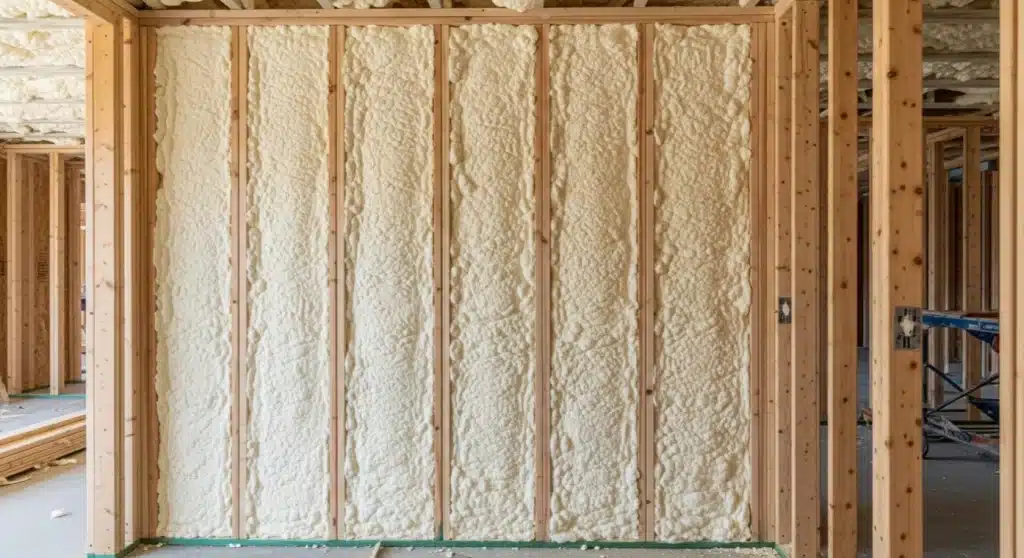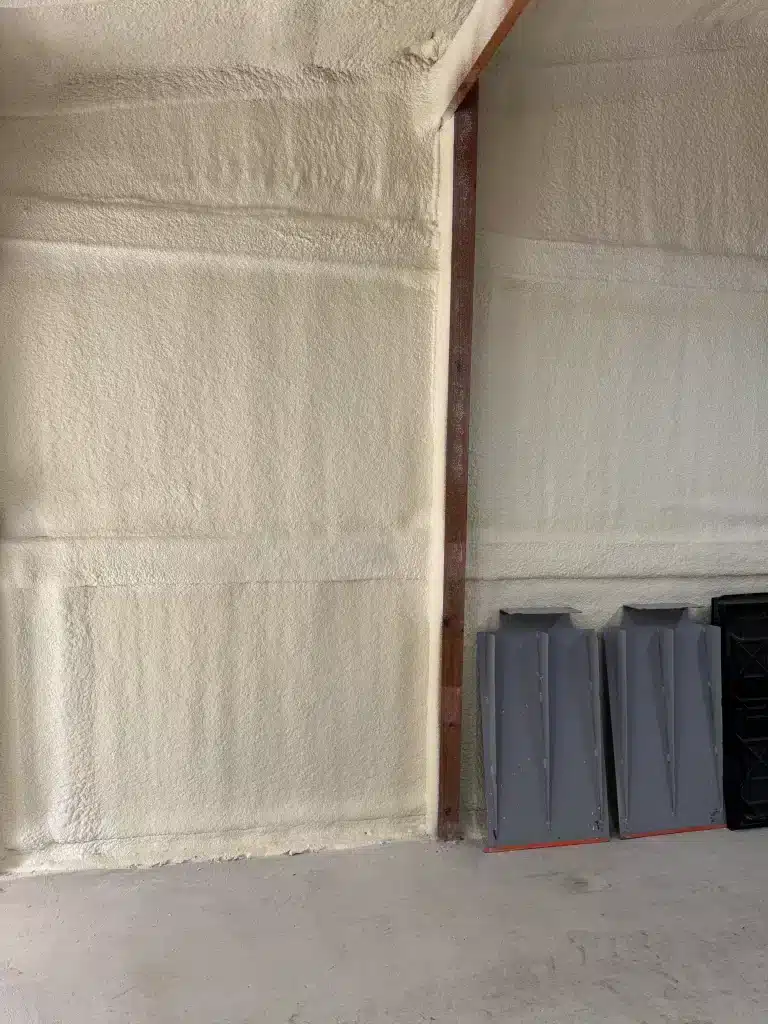

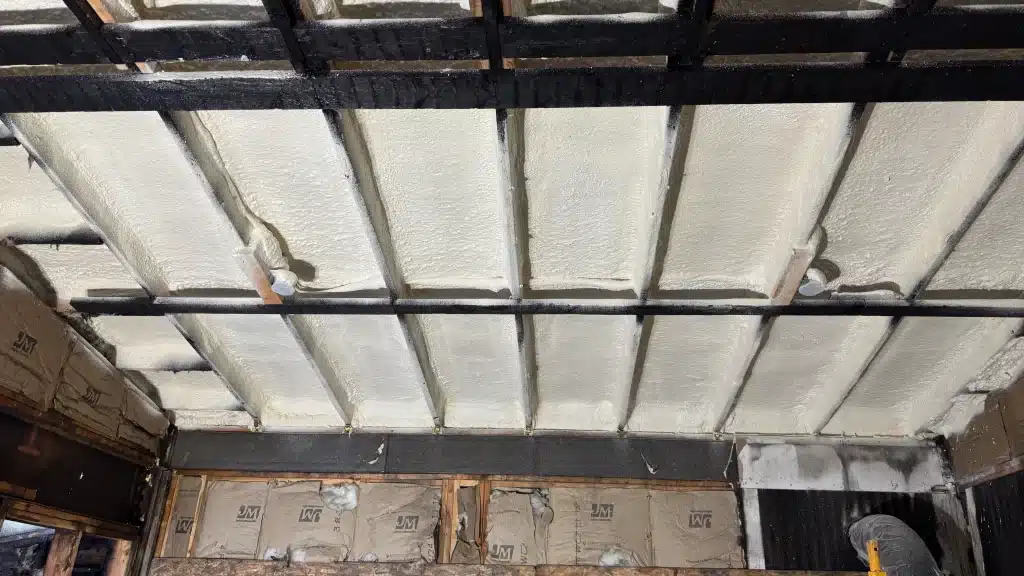
Closed-cell insulation acts as an air barrier, filling gaps and cracks in your home’s structure to block unwanted air exchange and reduce energy waste. In Orange Cove’s hot summers and cool winters, this type of spray foam insulation can cut heating and cooling costs by up to 50% compared to traditional insulation materials. The material’s dense structure and closed air cells create a continuous thermal barrier that prevents conditioned air from escaping and outside air from infiltrating your living spaces.
This article explains the science behind closed-cell insulation’s superior air-sealing properties, quantifies the energy-savings potential for Orange Cove homeowners, and provides practical guidance for making informed decisions about insulation upgrades. The information comes from extensive field experience with hundreds of insulation installations in California’s Central Valley climate.
Understanding Closed-Cell Insulation Structure
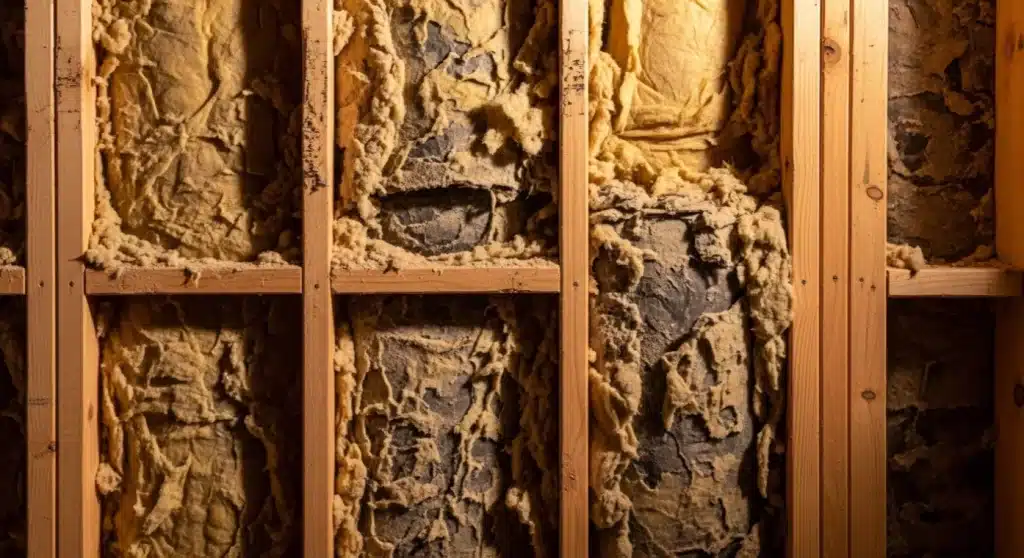
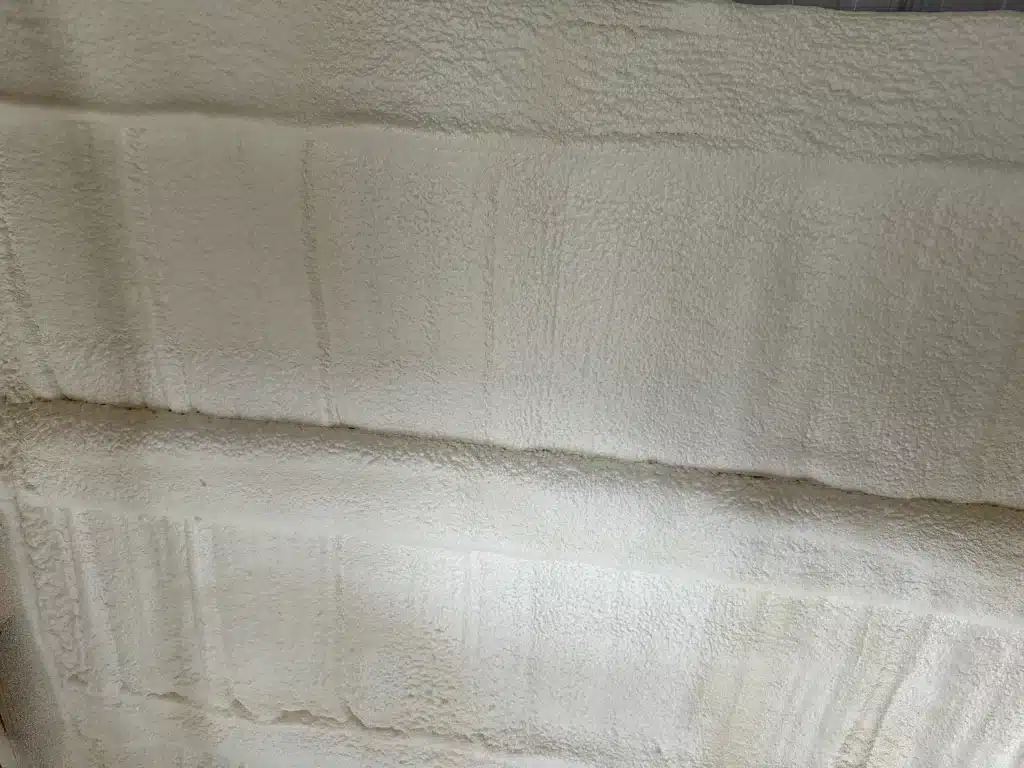
Closed-cell spray foam insulation consists of tiny, sealed cells filled with gas that provide both insulation and air sealing in one application. Unlike fiberglass or cellulose, which can leave gaps and settle over time, spray foam expands to fill every cavity, crack, and void it contacts. The material cures into a rigid solid with an R-value of approximately 6.5 per inch, nearly double that of most traditional insulation types.
The closed-cell structure resists moisture penetration and doesn’t support mold growth, making it particularly valuable in Orange Cove, where agricultural humidity can affect building materials. The foam adheres to wood, concrete, metal, and other building materials, creating a monolithic insulation system that eliminates thermal bridging – the heat transfer that occurs through wood studs and other structural elements in traditionally insulated walls.
Air Leakage Prevention Mechanisms
Air leakage accounts for up to 40% of a home’s energy loss, according to research from the U.S. Department of Energy. Closed-cell insulation addresses this problem through three primary mechanisms: complete cavity filling, adhesion to building materials, and structural rigidity that maintains its shape over time.
The foam expands 30-60 times its liquid volume during application, filling the smallest cracks and crevices that other insulation types cannot reach. This expansion pressure helps seal gaps around electrical outlets, plumbing penetrations, and framing irregularities that typically allow air to move between conditioned and unconditioned spaces. Once cured, the foam remains flexible enough to accommodate minor building movement without developing gaps or losing its seal.
Energy Efficiency Benefits for Orange Cove Homes
Orange Cove’s climate presents unique challenges that make closed-cell insulation particularly valuable. Summer temperatures frequently exceed 95°F, while winter nights can drop below 40°F. These temperature extremes create significant pressure differentials that drive air movement through building envelopes, increasing the workload on HVAC systems.
Homes with closed-cell insulation typically experience reduced air exchange rates, dropping from the standard 0.5 air changes per hour to less than 0.1 ACH50 when properly installed. This dramatic reduction in air leakage translates directly to lower energy consumption. A study from Lawrence Berkeley National Laboratory found that air sealing alone can reduce heating and cooling loads by 15-25% in typical California homes.
The insulation’s R-value allows for thinner wall assemblies while maintaining thermal performance, which can be particularly beneficial in existing homes where interior space is at a premium. Orange Cove residents with closed-cell insulation often report not only lower utility bills but also improved comfort due to the elimination of drafts and more consistent indoor temperatures throughout their homes.
Comparison of Insulation Types for Air Sealing
| Insulation Type | R-Value per Inch | Air Sealing Capability | Moisture Resistance |
|---|---|---|---|
| Closed-Cell Foam | 6.5-7.0 | Excellent – creates an air barrier | Excellent – moisture resistant |
| Open-Cell Foam | 3.5-4.0 | Good – fills gaps but allows some air movement | Good – allows moisture drying |
| Fiberglass Batts | 3.1-3.4 | Poor – leaves gaps and settling issues | Poor – loses effectiveness when wet |
| Cellulose Loose-Fill | 3.2-3.8 | Fair – better than fiberglass but still settles | Poor – absorbs moisture |
Financial Impact and Market Trends
California homeowners typically undertake professional spray foam insulation as a standard home improvement project, with the scale of the installation varying based on the home’s total square footage and specific application areas. The investment typically pays for itself within 3-5 years through energy savings alone, according to data from the U.S. Energy Information Administration. Additionally, homes with superior insulation often command higher resale values and sell faster in competitive markets.
The California Energy Commission’s updated building codes increasingly emphasize air sealing and thermal performance, making closed-cell insulation an attractive option for homeowners looking to exceed minimum requirements. These standards reflect growing recognition that air leakage is one of the most significant opportunities to improve home energy efficiency.
Bonus Tip: For maximum benefit in Orange Cove’s climate, prioritize closed-cell insulation in attics and crawl spaces where temperature differentials are greatest, and air leakage pathways are most common.
Things to Consider Before Making a Decision
The installation process requires specialized equipment and trained professionals, as the chemicals must be mixed and applied at precise temperatures and ratios. Proper installation is critical – poor application can result in uneven coverage, gaps, or inadequate adhesion that compromise the insulation’s performance.
Consider your home’s existing ventilation systems. Because closed-cell insulation creates such an effective air barrier, your home may require mechanical ventilation to maintain healthy indoor air quality. Most modern HVAC systems already provide adequate ventilation, but older homes might need upgrades to exhaust fans or whole-house ventilation systems.
The curing process releases chemical vapors that require professional handling and proper safety precautions. Homes must be vacated during installation and for 24 hours afterward to allow for adequate off-gassing. This temporary inconvenience is a necessary trade-off for the long-term performance benefits of the material.
Bonus Tip: In Orange Cove’s agricultural areas, consider combining closed-cell insulation with proper air filtration systems to address both efficiency and indoor air quality concerns related to pollen and agricultural dust.
Bonus Tip: When evaluating contractors of installation spray foam in the Orange Cove area, ask for references from projects with homes of similar size and construction type. Local experience with valley climate conditions significantly improves installation quality.
Making the Right Choice for Your Home
Closed-cell insulation offers the most effective solution for reducing air leakage and energy waste in Orange Cove homes, providing superior thermal performance, moisture resistance, and structural benefits compared to traditional insulation methods. The initial investment delivers long-term returns through reduced utility costs, improved comfort, and increased home value.
Evaluate your current insulation performance, budget constraints, and long-term homeownership plans when deciding whether closed-cell insulation makes sense for your situation. Consider starting with high-impact areas like attics and crawl spaces if a whole-home upgrade exceeds your immediate budget, then expanding to wall cavities as finances allow.
The most successful insulation projects begin with professional energy audits to identify specific air leakage pathways and prioritize improvements based on your home’s unique characteristics and your family’s comfort needs.
Professional Installation Support
For homeowners in Orange Cove considering closed-cell insulation, Supreme Spray Foam Fresno provides comprehensive installation services throughout California’s Central Valley. Our experienced team handles everything from initial assessment to final inspection, ensuring optimal performance and compliance with local building codes. Contact them at [email protected] or call (559) 545-0800 to schedule a consultation and estimate for your home’s insulation upgrade. Their technicians understand Orange Cove’s specific climate challenges and can recommend the most effective insulation strategy for your property.
FAQ About Closed-Cell Insulation
Does closed-cell insulation require vapor barriers in Orange Cove?
Closed-cell insulation already serves as a vapor barrier due to its moisture-resistant structure, eliminating the need for additional vapor barriers in most Orange Cove applications. The material’s permeability rating of less than 1.0 perms qualifies it as a Class I vapor retarder.
How long does closed-cell insulation last?
Properly installed closed-cell insulation lasts the lifetime of the building without significant degradation. The material doesn’t settle, compress, or lose its air sealing properties over time, unlike fiberglass or cellulose, which can deteriorate after 15-20 years.
Can closed-cell insulation be installed over existing insulation?
In most cases, existing insulation should be removed before spray foam application to ensure proper adhesion and complete cavity filling. Removing old insulation also allows for inspection of any underlying issues like moisture damage or pest infestations.
Is closed-cell insulation safe for homes with children and pets?
Once fully cured, closed-cell insulation is completely inert and safe. The material doesn’t off-gas chemicals or release particles into the air. During installation and curing, however, homes must be vacated until the material is fully stabilized.
Sources
- U.S. Department of Energy – Federal agency providing comprehensive information on home energy efficiency and insulation technologies
- Lawrence Berkeley National Laboratory – Research institution studying building science and energy efficiency, with specific data on California homes
- U.S. Energy Information Administration – Government source for energy consumption data and cost-benefit analysis of home improvements